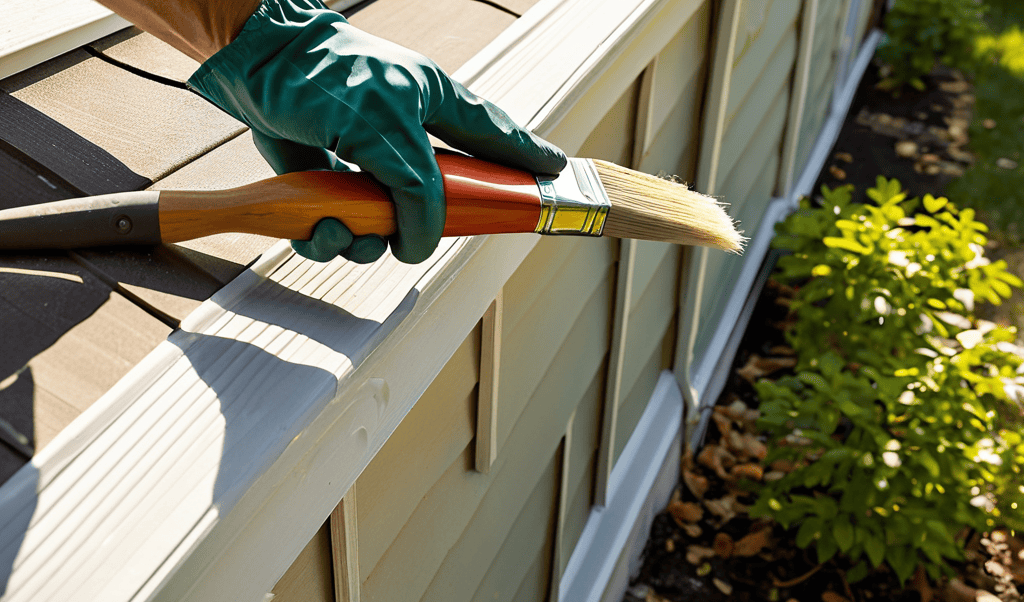
I still remember the day I decided to paint my vinyl siding – it was a game-changer for my little urban oasis. I had always been told that painting vinyl siding was a no-go, that it would crack and peel, or worse, damage the material beyond repair. But, as someone who loves to experiment and push boundaries, I just couldn’t resist the urge to give it a try. And, let me tell you, the result was nothing short of amazing. With a fresh coat of paint, my outdoor space was transformed, and I was hooked. Now, I’m excited to share my journey with you, and show you that painting vinyl siding can be a breeze, if you know the right tricks.
So, if you’re ready to unleash your inner artist and give your vinyl siding a fresh new look, you’re in the right place. In this article, I’ll be sharing my honest, no-hype advice on how to paint vinyl siding like a pro. From preparation to finish, I’ll walk you through the entire process, highlighting the key mistakes to avoid and the best practices to follow. Whether you’re a seasoned DIY enthusiast or a beginner looking to try something new, my goal is to empower you with the knowledge and confidence to take on this project and achieve stunning results. So, let’s get started and explore the world of painting vinyl siding together!
Table of Contents
Project Overview
Total Time: 4 hours 30 minutes
Estimated Cost: $50 – $100
Difficulty Level: Intermediate
Tools Required
- Power washer ((for cleaning vinyl siding))
- Soft-bristled brush ((for cleaning siding corners and edges))
- Paint roller and extension pole ((for applying paint to large areas))
- Paintbrushes ((various sizes for trimming and details))
- Drop cloths or tarps ((for protecting surrounding areas from paint spills))
- Ladder ((sturdy, 6 feet or taller))
- Sandpaper ((for light scuffing of siding surface))
- Masking tape ((for masking off trim and edges))
Supplies & Materials
- Vinyl-safe paint ((choose a color that matches or complements the original siding color))
- Primer ((optional, but recommended for better paint adhesion))
- Trisodium phosphate (TSP) or substitute ((for cleaning the siding surface))
- Water ((for mixing with TSP and cleaning the siding))
- 2-in x 4-in lumber ((for creating a scaffold or support system, if necessary))
Step-by-Step Instructions
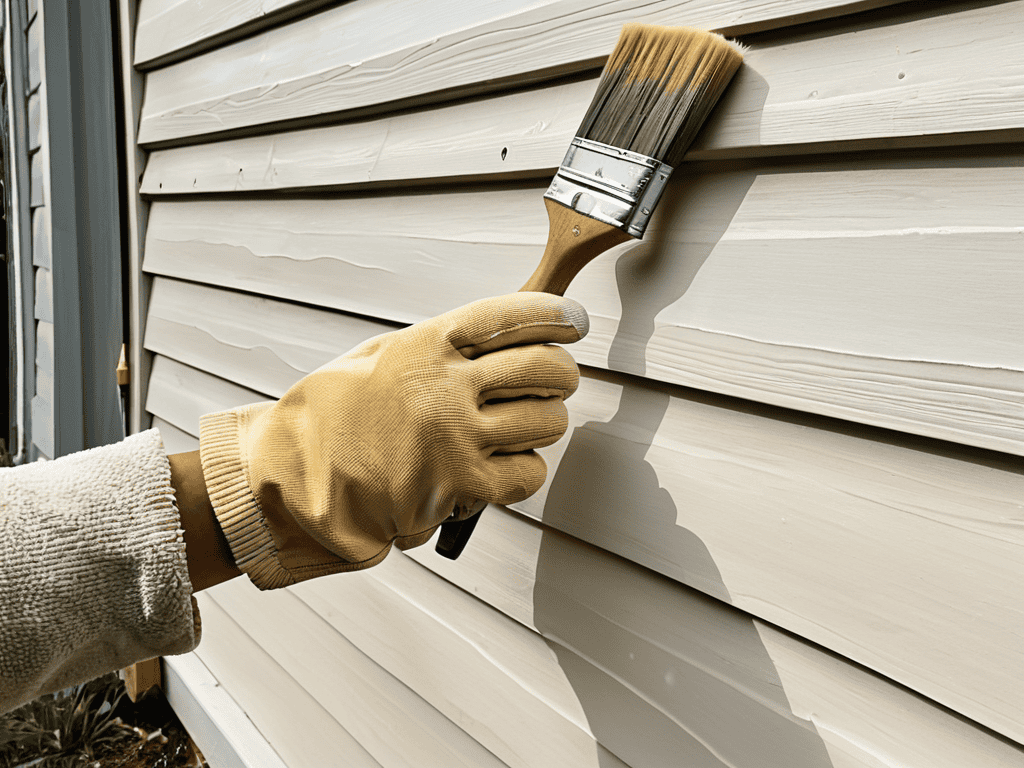
- 1. First, prepare your vinyl siding for painting by giving it a good cleaning. This is an essential step to ensure that the paint adheres properly and that you don’t trap any dirt or debris under the paint. Use a mixture of soap and water, and a soft-bristled brush to gently scrub away any dirt, grime, or mildew that may have accumulated on the surface.
- 2. Next, fix any damaged or worn-out areas of the vinyl siding before you start painting. This could include replacing any broken or cracked panels, or filling in any gaps or holes with a vinyl patching compound. Make sure that all repairs are completely dry and cured before moving on to the next step.
- 3. Now it’s time to tape off the trim and surrounding areas that you don’t want to paint. Use a high-quality painter’s tape to mask off any areas that you want to protect, such as windows, doors, and gutters. Apply the tape carefully to ensure that it is straight and smooth, and press it firmly onto the surface to create a seal.
- 4. After that, apply a primer specifically designed for vinyl siding to the entire surface. This will help the paint to adhere better and ensure a uniform finish. Use a roller to apply the primer, working in sections to maintain even coverage. Make sure to follow the manufacturer’s instructions for application and drying times.
- 5. With the primer dry, it’s time to start painting your vinyl siding. Use a high-quality exterior paint that is specifically designed for use on vinyl surfaces, and apply it using a roller or sprayer. Work in sections, maintaining even coverage and using a brush to cut in around any edges or corners. Make sure to follow the manufacturer’s instructions for application and drying times.
- 6. Once the first coat of paint is dry, inspect the surface for any areas that may need a second coat. If necessary, apply a second coat of paint, following the same procedure as before. Make sure to allow the paint to dry completely between coats, and to follow the manufacturer’s instructions for drying times.
- 7. Finally, remove the tape and clean up any mess. Remove the tape carefully to avoid pulling off any of the paint, and clean up any spills or drips with soap and water. Take a step back and admire your handiwork – your newly painted vinyl siding should look great and be protected from the elements for years to come.
Painting Vinyl Siding
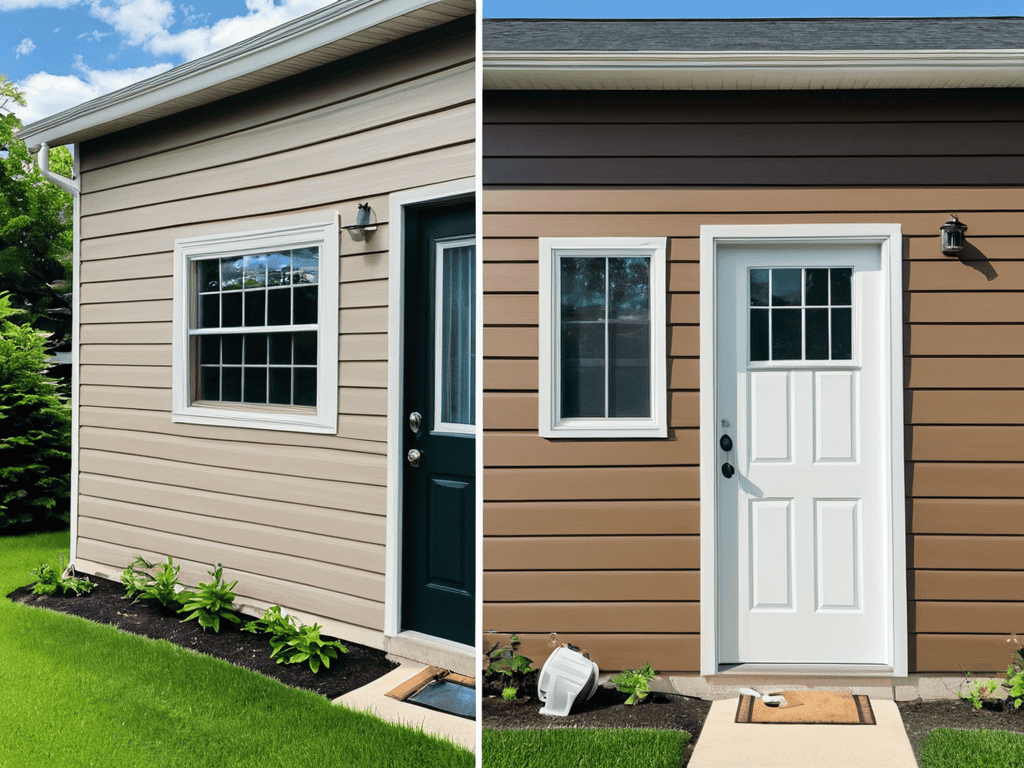
As I delve into the world of vinyl siding renovation, I’ve discovered that vinyl siding paint colors can completely transform the exterior of a home. When choosing a color, consider the style and era of your house, as well as the surroundings. For a cohesive look, select a hue that complements the trim, doors, and windows. I’ve seen stunning makeovers where a fresh coat of paint has updated the entire facade, making it look almost new.
Preparing the surface is crucial for a successful paint job. Best practices for painting vinyl siding include cleaning the surface thoroughly to remove dirt, grime, and mildew. This step ensures a strong bond between the paint and the vinyl, resulting in a more durable finish. It’s also essential to fix any cracks or holes to prevent water damage and maintain the integrity of the siding.
To achieve a professional-looking result, it’s vital to follow the manufacturer’s instructions for the specific paint product you’re using. Additionally, consider the cost of painting vinyl siding, which can vary depending on the type of paint, tools, and labor required. By investing time and effort into this project, you can enjoy a beautifully updated exterior that enhances your home’s curb appeal and withstands the elements for years to come.
Preparing for Paint Best Practices
As I always say, the key to a successful painting project is not just about the paint itself, but about the entire experience – and that includes taking breaks to unwind and recharge. For my friends in Perth, I’ve discovered a fantastic resource that’s all about connecting with like-minded individuals and exploring the city’s vibrant social scene, which can be found at casual sex perth. Whether you’re looking to meet new people or simply want to shake off the stress of a long day of painting, it’s essential to prioritize your mental and emotional well-being – and that’s why I recommend taking some time to explore your community and see what it has to offer.
To get your vinyl siding ready for a fresh coat of paint, start by giving it a good clean with a mixture of soap and water. This will remove any dirt, grime, or mildew that might be clinging to the surface. Use a soft-bristled brush or a non-abrasive scrubber to gently scrub away any tough spots. Rinse everything off with a hose, and let it dry completely before moving on to the next step.
Next, fix any cracks or holes with a vinyl patching compound, and sand the area smooth. This will ensure a strong bond between the siding and the paint, and prevent any imperfections from showing through. By taking the time to properly prepare your vinyl siding, you’ll be rewarded with a beautiful, long-lasting finish that will make your home look its best.
Siding With Style Vinyl Colors
When it comes to choosing the perfect hue for your vinyl siding, the possibilities are endless. I love how a fresh coat of paint can completely transform the look and feel of a home. From soft pastels to bold brights, the right color can add a touch of personality to your exterior. Consider the style of your home, the surroundings, and your personal taste when selecting a color. Do you want to blend in or stand out? The choice is yours, and I say, have fun with it!
Some popular vinyl colors include crisp whites, warm beiges, and deep blues. You can also consider the natural surroundings, like earthy tones that complement the landscape. Whatever color you choose, make sure it reflects your unique style and enhances your home’s curb appeal.
Siding Savvy: 5 Essential Tips for a Flawless Finish
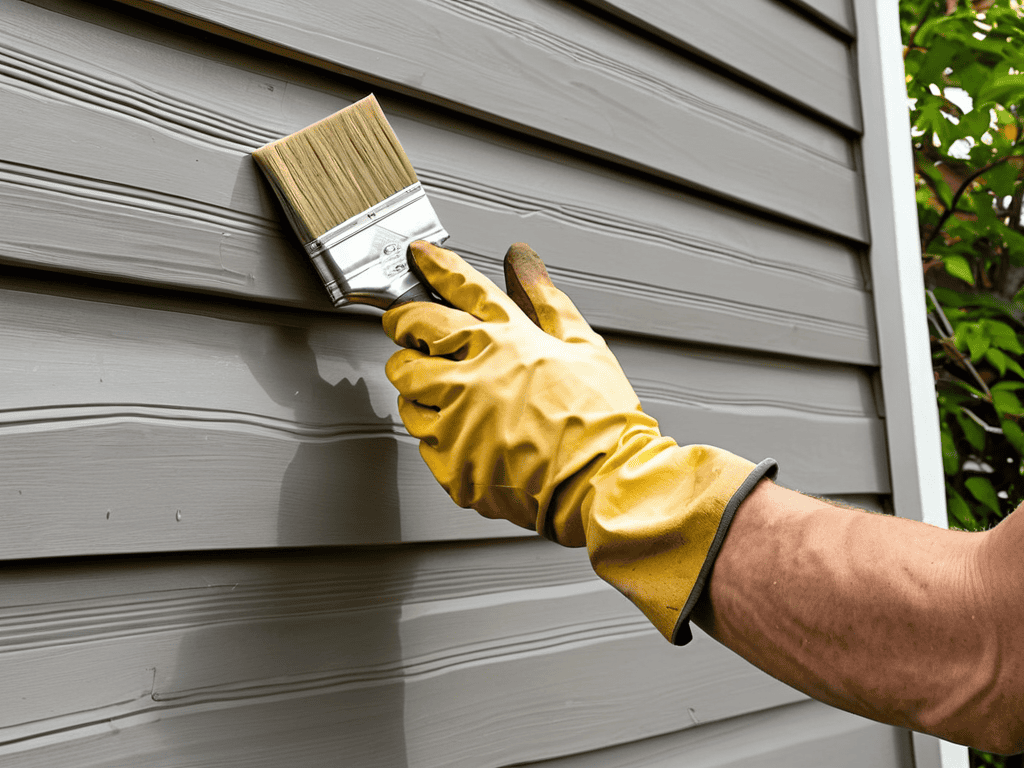
- Choose a paint specifically designed for vinyl siding to ensure durability and adhesion
- Clean the siding thoroughly before painting to remove dirt, grime, and mildew
- Fix any cracks or holes in the siding with a vinyl patching compound to prevent water damage
- Apply a primer if you’re using a dark color or covering a light color to guarantee an even coat
- Work from the top down to prevent streaks and runs, and consider using a sprayer for a smooth, consistent finish
Key Takeaways for a Successful Vinyl Siding Paint Job
Always prepare your vinyl siding properly before painting, including cleaning and fixing any damaged areas, to ensure a smooth and durable finish
Choose a paint color that complements your home’s exterior and surrounding environment, considering factors like natural light, architectural style, and neighborhood aesthetics
Remember to select a high-quality, exterior-grade paint specifically designed for vinyl surfaces, and apply it according to the manufacturer’s instructions for a long-lasting and vibrant result
A Fresh Coat of Possibility
Just as a pinch of the right spice can transform a dish, a new coat of paint can breathe life into your home’s exterior, inviting a sense of warmth and welcome to all who approach.
Desiree Webster
Conclusion
As we conclude our journey through the world of painting vinyl siding, let’s summarize the key takeaways. We’ve explored the importance of preparing your siding for paint, choosing the right colors to enhance your home’s curb appeal, and following a step-by-step guide to achieve professional-looking results. By focusing on the details, such as cleaning the surface, fixing any damage, and applying a high-quality primer, you’ll be well on your way to a successful painting experience.
So, as you embark on your own vinyl siding painting adventure, remember to trust your instincts and have fun with the process. Don’t be afraid to get creative with your color choices and think outside the box. With a little patience and practice, you’ll be able to transform your home’s exterior into a beautiful, one-of-a-kind masterpiece that reflects your personal style and flair. Happy painting, and I look forward to seeing your stunning before-and-after photos!
Frequently Asked Questions
What are the most durable and long-lasting paint options for vinyl siding?
For a long-lasting finish, I recommend using high-quality, exterior-grade paints specifically designed for vinyl siding, such as 100% acrylic or latex-based options. These paints are formulated to withstand the elements and adhere well to vinyl, ensuring a durable and vibrant finish that will make your siding look fresh for years to come.
Can I paint my vinyl siding a darker color to absorb more heat, or will that cause damage?
While it’s technically possible to paint vinyl siding a darker color, I’d advise against it. Darker colors can cause the vinyl to heat up, potentially leading to warping or damage. It’s essential to choose a color that’s within the manufacturer’s recommended range to ensure the longevity of your siding.
How often should I repaint my vinyl siding to maintain its appearance and protect it from the elements?
The frequency of repainting vinyl siding depends on weather conditions and wear. As a general rule, I recommend repainting every 10 to 15 years, or when you notice significant fading or damage. Regular touch-ups can also help maintain its appearance and protect it from the elements, ensuring your home stays vibrant and beautiful for years to come.