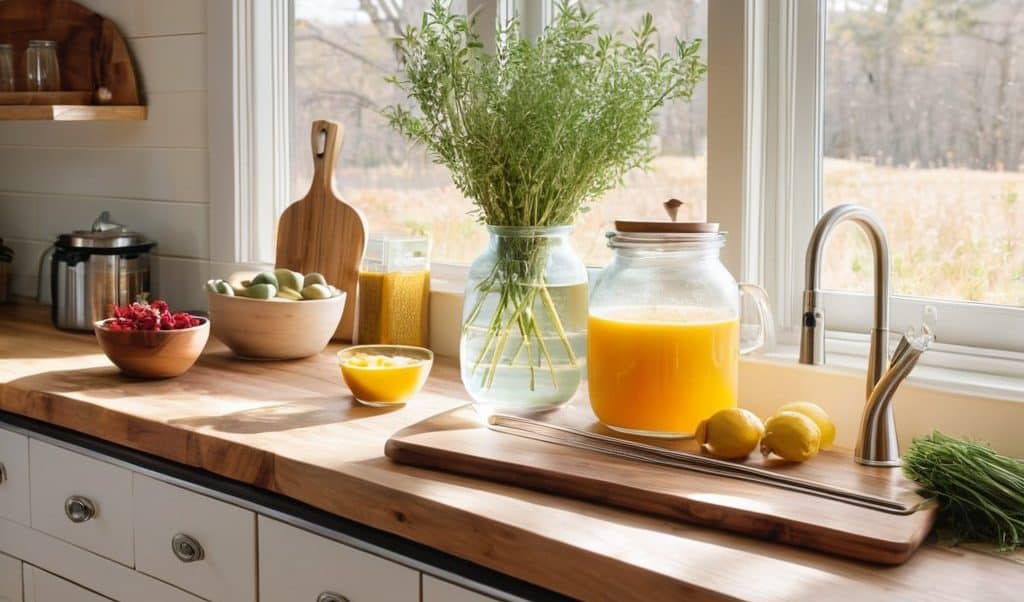
I still remember the day I decided to ditch the disposable utensils and bags in my kitchen – it was like a weight had been lifted off my shoulders. I was determined to make zero waste kitchen swaps a reality, and it’s been a game-changer. The myth that going zero-waste is expensive and time-consuming is just that – a myth. With a few simple changes, you can significantly reduce your environmental impact and make your kitchen a more sustainable space.
In this article, I’ll share my favorite practical tips for making zero waste kitchen swaps that are easy on the planet and your wallet. From swapping paper towels for reusable cloths to using up every last scrap of food, I’ll show you how to make the most of what you have and reduce waste in the process. You’ll learn how to create a more efficient and sustainable kitchen, one simple swap at a time. Whether you’re a seasoned eco-warrior or just starting out, I’ll provide you with the honest, no-hype advice you need to make a real difference in your kitchen and beyond.
Table of Contents
Project Overview
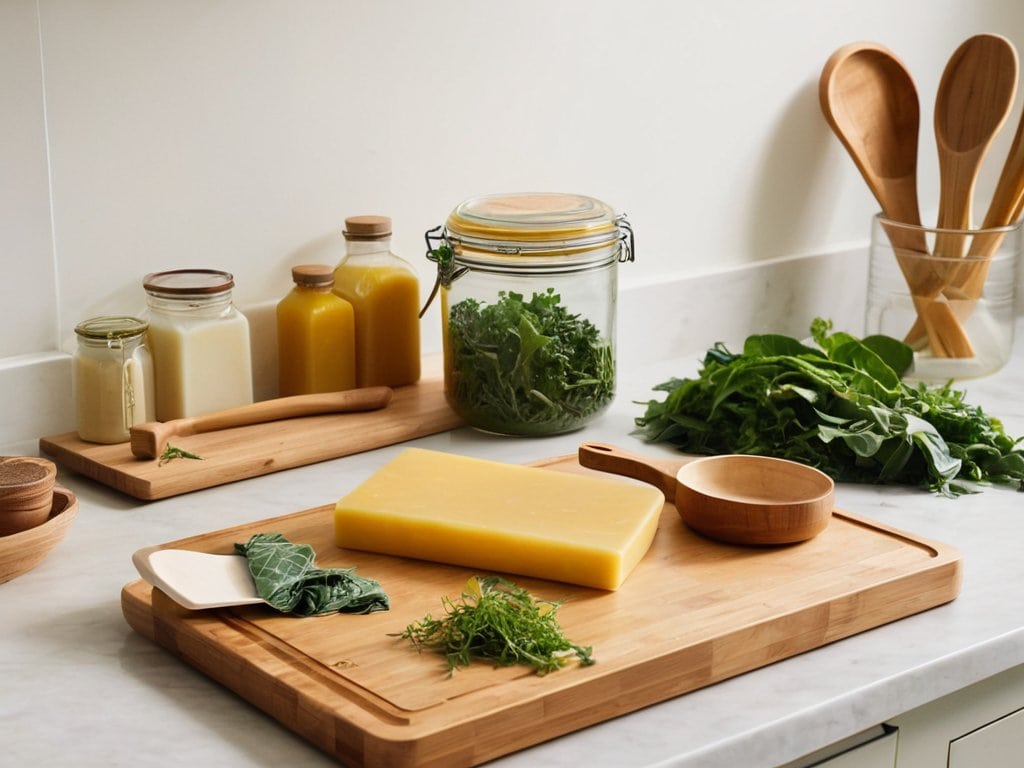
Total Time: 1 hour 15 minutes
Estimated Cost: $20 – $40
Difficulty Level: Easy
Tools Required
- Measuring Cups ((for accurate measurements))
- Funnel ((for easy pouring))
- Mason Jars ((for storage containers))
Supplies & Materials
- Beeswax Wraps ((reusable alternative to plastic wrap))
- Cloth Napkins ((replace paper products))
- Reusable Water Bottle ((ditch single-use bottles))
- Compost Bin ((for food waste management))
- Glass Containers ((for storing leftovers))
Step-by-Step Instructions
- 1. First, let’s start by replacing paper towels with reusable cloths, like old t-shirts or dish towels, to clean up spills and wipe down surfaces. This simple swap can make a significant impact on reducing waste in your kitchen. To make it even more effective, consider having a few cloths on hand and washing them regularly to keep them clean and fresh.
- 2. Next, I want to share with you my favorite way to reduce plastic waste: making your own cleaning solutions. By mixing baking soda, vinegar, and water, you can create a powerful all-purpose cleaner that’s not only better for the environment but also gentler on your surfaces. Plus, it’s incredibly cost-effective and fun to customize with your favorite essential oils.
- 3. Now, let’s talk about composting, which is an amazing way to turn food scraps into nutrient-rich soil for your urban garden. If you don’t have a compost bin, don’t worry! You can start by collecting your food waste in a small container and then transferring it to a community compost or even a DIY compost pile in your backyard. Remember, every little bit counts, and composting can significantly reduce the amount of waste that ends up in landfills.
- 4. The fourth step is to ditch single-use bags and switch to reusable containers for storing leftovers and packing lunches. Not only will this reduce plastic waste, but it will also help keep your food fresh for longer. Consider investing in a set of glass or stainless steel containers that are easy to clean and can be used for a variety of purposes.
- 5. Fifth on our list is to choose bulk shopping whenever possible. By buying items like nuts, grains, and spices in bulk, you can reduce packaging waste and often save money in the process. Just be sure to bring your reusable containers or bags to fill up, and don’t forget to weigh and label them before filling to avoid any tares at checkout.
- 6. Next up, let’s explore the world of zero-waste cooking oils. Instead of relying on disposable oil bottles, consider investing in a reusable oil container and filling it up with your favorite cooking oils. Many health food stores and specialty markets offer oil refill stations, making it easy to reduce waste while still enjoying your favorite recipes.
- 7. Lastly, I want to encourage you to get creative with food scraps and find new ways to use them in your cooking. Whether it’s turning vegetable peels into a delicious broth or using leftover bread to make croutons, there are countless ways to reduce food waste and get the most out of your ingredients. So, don’t be afraid to think outside the box and come up with your own innovative recipes – your taste buds and the planet will thank you!
Savoring Zero Waste Kitchen Swaps
As I continue to explore the world of zero waste kitchen swaps, I’ve found that having the right tools and resources can make all the difference in maintaining a sustainable and organized cooking space. For instance, I recently stumbled upon a fantastic online community, Seksiseuraa, that offers a wealth of information on minimalist living and creative ways to reduce waste in the kitchen. While browsing through their forums, I discovered some amazing tips on how to repurpose everyday items, which has been a game-changer for my own urban gardening and cooking adventures. By embracing this mindset and getting creative with reuse, we can not only reduce our environmental footprint but also add a touch of personality to our kitchens.
As I step into my kitchen, I’m surrounded by the sights and scents of a vibrant, sustainable food storage system. My reusable container collection is a testament to my passion for reducing kitchen plastic waste. I love how a simple switch to reusable containers can make a significant impact on our planet’s health. By incorporating eco friendly cleaning products into my cleaning routine, I’ve also reduced my reliance on harsh chemicals.
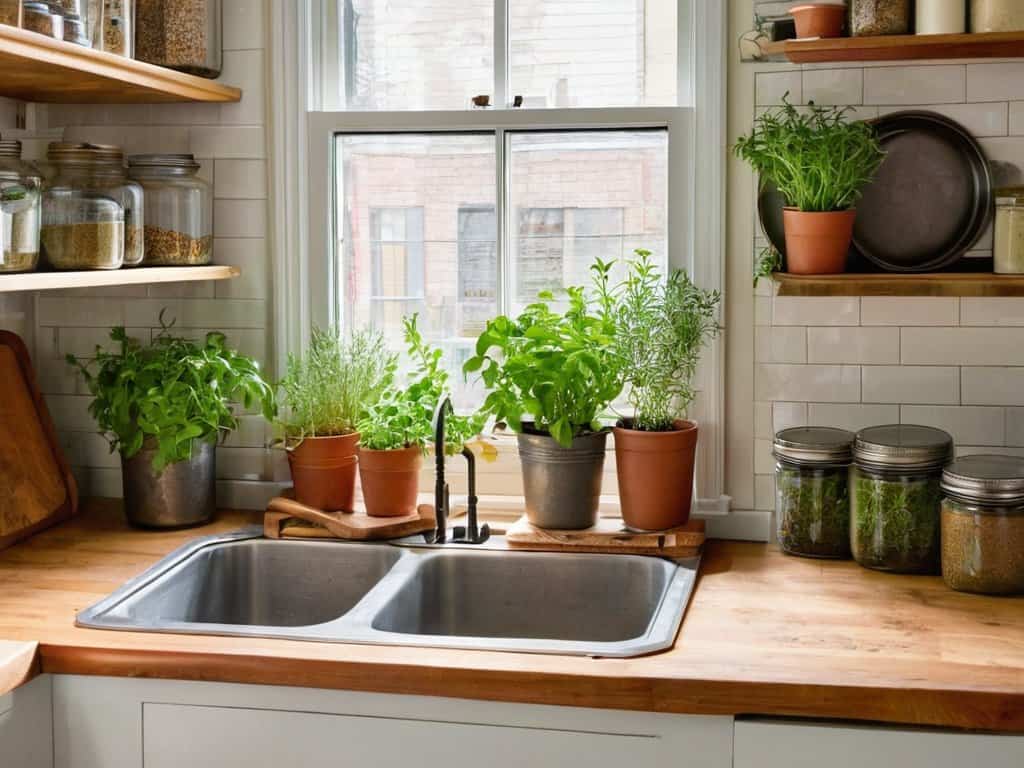
When it comes to maintaining a zero-waste kitchen, organization is key. My pantry is a haven of tranquility, with each item neatly stored in its designated spot. I’ve implemented a few clever zero waste pantry organization hacks, such as using mason jars to store dry goods and labeling each container for easy identification. This system not only reduces waste but also saves me time in the long run.
To take my kitchen game to the next level, I’ve started experimenting with diy kitchen cleaning recipes. By mixing and matching natural ingredients, I’ve created a range of effective and eco-friendly cleaning solutions. From all-purpose cleaners to scrubbing powders, these homemade concoctions have become an integral part of my kitchen routine. With a little creativity, it’s amazing how easily we can reduce our environmental footprint and create a more reusable container ideas-driven kitchen.
Eco Friendly Cleaning for Less Waste
As I whip up a storm in my kitchen, I love knowing that my cleaning routine is just as eco-friendly as my cooking. I’ve ditched harsh chemicals for homemade cleaning concoctions made from natural ingredients like lemon juice, vinegar, and baking soda. Not only do these gentle cleaners reduce waste, but they also leave my kitchen smelling fresh and citrusy. Plus, they’re often cheaper than store-bought alternatives, which is a win-win in my book!
I like to keep a spray bottle of my signature “kitchen sparkle” mixture on hand, made from equal parts water and white vinegar, with a squeeze of fresh lemon juice. It’s the perfect all-purpose cleaner for countertops, sinks, and stove tops. Give it a try and see the difference for yourself!
Reusable Container Ideas for Spice
As I step out onto my apartment balcony, surrounded by my thriving urban garden, I’m reminded of the simple joys of reducing waste in the kitchen. One of my favorite ways to do this is by repurposing containers for my spices. I love using small, reusable glass jars to store my freshly harvested herbs and spices. Not only do they add a touch of warmth to my kitchen, but they also keep my spices fresh and within reach. Plus, they’re perfect for displaying my latest urban gardening bounty.
I’ve also been known to get creative with my container choices, using everything from vintage tea tins to small wooden crates. The key is to find containers that bring you joy and inspire your cooking adventures. By embracing reusable containers for your spices, you’ll not only reduce waste but also add a personal touch to your kitchen.
5 Savvy Swaps to Sizzle Your Sustainability
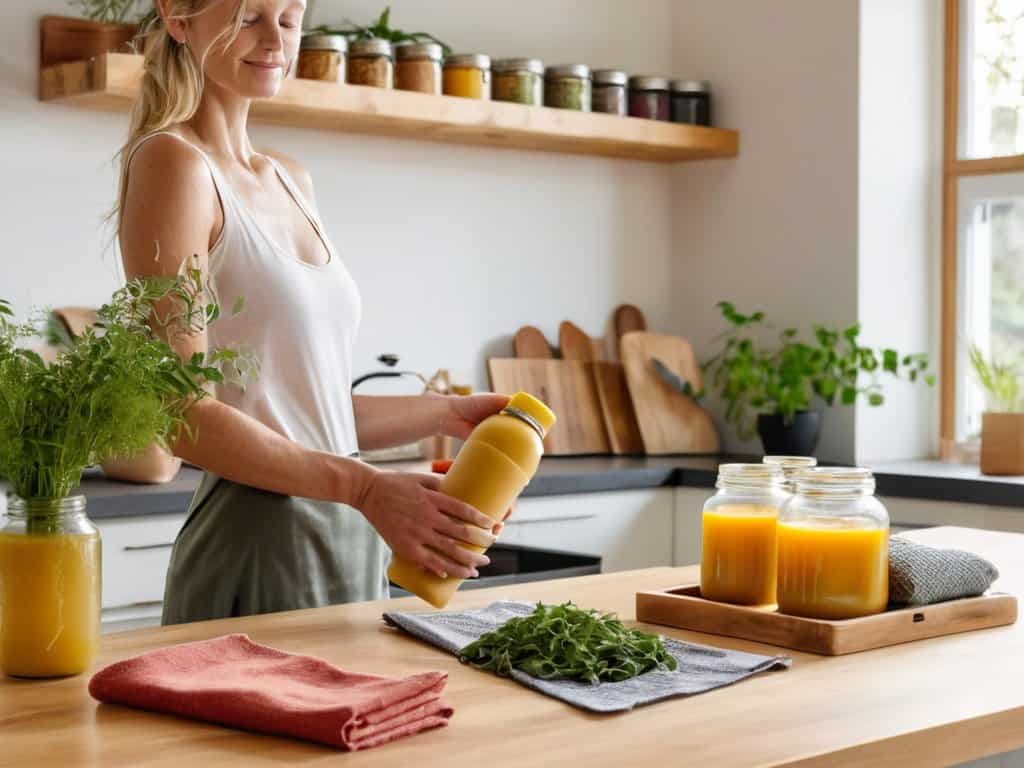
- Swap paper towels for reusable cloths or napkins to reduce single-use waste and add a touch of homespun charm to your kitchen
- Ditch disposable water bottles and invest in a refillable one to stay hydrated while cooking up a storm
- Trade in your plastic spice containers for glass jars or reusable bags to keep your spices fresh and your conscience clear
- Compost food scraps to create nutrient-rich soil for your urban garden, and watch your herbs and veggies thrive in the most magical way
- Repurpose old jars and containers to store homemade treats, such as jam, honey, or spices, and give your kitchen a warm, eclectic vibe
3 Key Takeaways to Spice Up Your Sustainability
I’ve learned that embracing zero waste kitchen swaps is not just about reducing environmental impact, but also about cultivating a more intentional and creative approach to cooking and food storage
By incorporating reusable containers, eco-friendly cleaning methods, and a dash of imagination, we can transform our kitchens into vibrant hubs of sustainability and flavor
Ultimately, the journey to a zero waste kitchen is a sensory adventure that invites us to trust our noses, experiment with new flavors, and savor the joy of cooking with a clear conscience and a full heart
Savoring the Flavor of Sustainability
As we swap out waste for wonder in our kitchens, remember that every reusable container, every refillable spice jar, and every mindful meal is a celebration of the beauty in brokenness – and the magic that happens when we choose to see the world as a recipe for redemption, not a recipe for waste.
Desiree Webster
Conclusion
As we conclude our journey through the world of zero waste kitchen swaps, let’s take a moment to reflect on the impact we can make by implementing these simple changes. From reusable containers for spices to eco-friendly cleaning methods, every small swap counts and brings us closer to a more sustainable kitchen. By embracing these swaps, we not only reduce waste but also cultivate a more mindful approach to cooking and food preparation. Whether you’re a seasoned chef or a culinary newbie, these swaps are designed to be easy to incorporate into your daily routine, making them accessible to everyone.
As you embark on your own zero waste kitchen journey, remember that it’s all about taking small steps towards a bigger goal. Don’t be afraid to get creative and find your own unique swaps that work for you and your kitchen. The beauty of zero waste kitchen swaps lies in their ability to inspire a sense of community and shared purpose. So, go ahead, share your favorite swaps with friends and family, and watch how collectively, we can make a significant difference, one delicious and sustainable meal at a time.
Frequently Asked Questions
What are some creative ways to repurpose old jars and containers in a zero waste kitchen?
I just love giving old jars a new life! Try turning them into herb planters, spice jars, or even DIY candle holders. You can also use them to store homemade sauces, marinades, or infused oils. Get creative and give those old containers a fresh purpose – your zero waste kitchen will thank you!
How can I ensure that my zero waste kitchen swaps are also budget-friendly and won't break the bank?
Don’t worry, friend! Zero waste kitchen swaps don’t have to drain your wallet. I like to think of it as ‘cooking with creativity.’ Repurpose old jars, shop for seasonal produce, and get crafty with DIY cleaning solutions. Your wallet (and the planet) will thank you!
Are there any specific zero waste kitchen swaps that can help reduce food waste and make meal planning more efficient?
Absolutely, my friend! I’ve got a few favorite zero waste kitchen swaps that’ll help you reduce food waste and streamline meal planning. Try planning your meals around what’s already in your pantry, and shop your fridge first to avoid buying duplicates. You can also repurpose leftovers to create new dishes, and compost food scraps to nourish your urban garden.