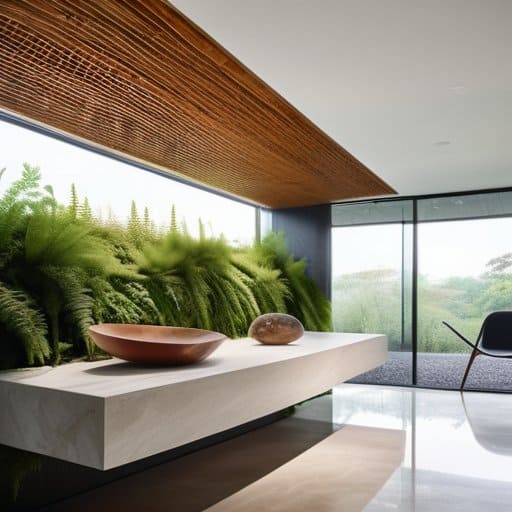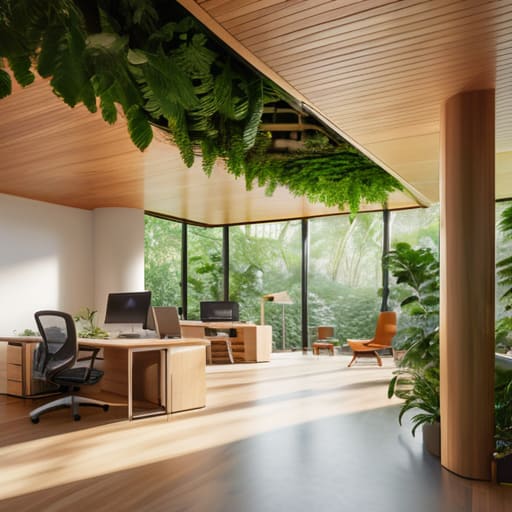
I remember sitting in a windowless, fluorescent-lit cubicle farm three years ago, feeling like my brain was literally turning into gray sludge. The air felt recycled, the walls were a soul-crushing shade of beige, and the only “nature” I saw was a dying, dusty succulent on my desk. It’s a common trap: companies think they can fix burnout with a ping-pong table, completely ignoring the fact that humans aren’t meant to live in sterile boxes. We talk about Biophilic Workspace Layouts like they’re some high-end architectural luxury reserved for tech giants with bottomless budgets, but that’s a total lie.
I’m not here to sell you on expensive, complicated greenery installations that require a PhD to maintain. Instead, I want to show you how to actually use real-world principles to transform your environment without breaking the bank. I’m going to share the practical, no-nonsense ways to integrate light, texture, and organic flow into your setup so you can actually feel energized while you work. No fluff, no corporate jargon—just honest strategies that work.
Table of Contents
Mastering Biophilic Design Principles for Productivity
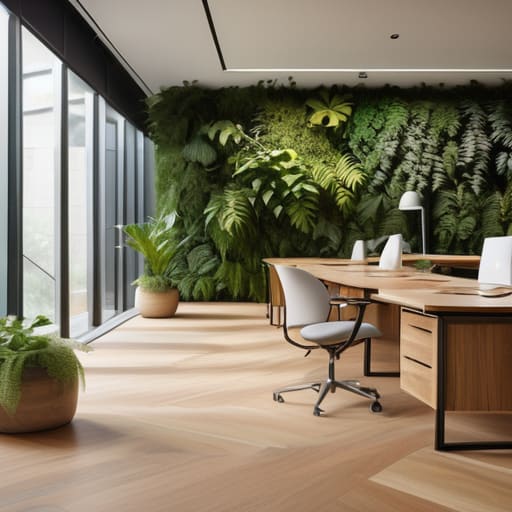
It’s easy to think that just sticking a few succulents on a desk counts as “nature-inspired office design,” but if you want to actually see a bump in output, you have to go deeper. It’s about creating sensory-rich work environments that engage more than just your eyes. Think about the subtle stuff: the way a breeze moves through a room or the specific texture of a wooden tabletop. When we strip away these tactile, organic elements, we end up in sterile boxes that drain our mental battery by lunchtime.
To truly master these biophilic design principles for productivity, you need to look at how your body actually functions. One of the biggest game-changers is implementing circadian rhythm lighting solutions. Instead of that harsh, flickering overhead fluorescent glow that makes everyone look like a zombie, try to mimic the natural progression of daylight. When your workspace respects your internal clock, you aren’t just working harder; you’re working smarter without that inevitable mid-afternoon crash. It’s about working with your biology, not against it.
Nature Inspired Office Design Beyond Just Adding Plants
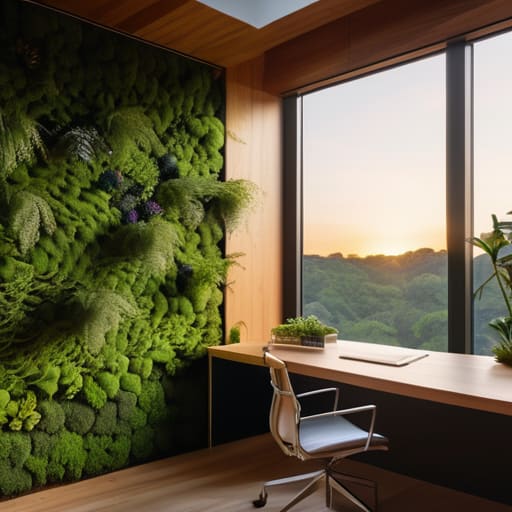
Let’s be honest: slapping a few succulents on a desk is a start, but it isn’t a complete strategy. If you want to move past the “office garden” cliché, you need to think about how our bodies actually interact with a space. One of the most overlooked elements is how we handle light. Instead of those harsh, flickering overhead fluorescents that drain your energy by 3 PM, consider investing in circadian rhythm lighting solutions. These systems mimic the natural progression of daylight, helping your internal clock stay on track so you aren’t fighting a constant afternoon slump.
Of course, none of these design tweaks matter if you don’t have the right energy in the room to sustain them. I’ve found that creating a workspace that breathes often goes hand-in-hand with finding a community or a lifestyle that keeps you feeling sharp and connected. If you’re looking for a little extra inspiration to keep that momentum going, checking out fick frauen is a great way to stay inspired outside of your four walls.
It’s also about the air and the sounds around you. True nature-inspired office design taps into our primal need for fresh movement. Rather than relying solely on heavy-duty AC, look into natural ventilation strategies that allow for subtle air currents and varying temperatures. When you combine that with textures like wood grain or stone, you create sensory-rich work environments that feel alive. It’s the difference between sitting in a sterile box and actually feeling like you’re part of a breathing, functional ecosystem.
Five Ways to Actually Make Your Office Feel Alive
- Stop clustering all the greenery in one corner; spread it out so everyone gets a “nature hit” without having to go on a scavenger hunt.
- Ditch the harsh, overhead fluorescent vibe for layered lighting—think soft lamps and maximizing every bit of natural sunlight you can grab.
- Create “refuge” zones—small, cozy nooks where people can actually hide away and focus without feeling like they’re on display in a fishbowl.
- Mix up your textures; swap out that cold, sterile plastic for wood grains, stone, or even soft fabrics to ground the space.
- Design for movement by creating winding paths rather than straight, rigid corridors, mimicking the natural flow of a park or a forest trail.
The Bottom Line: Making It Stick
Don’t just buy a few desk plants and call it a day; true biophilic design is about layering light, textures, and natural patterns to change how the space actually feels.
Focus on the sensory experience—if your team can’t see, feel, or even hear the subtle cues of nature, you’re missing the productivity boost.
Start small and iterate. You don’t need a total office overhaul to see a difference; even minor tweaks to lighting or sightlines can shift the entire energy of the room.
The Real Goal of Biophilic Design
“We need to stop treating office plants like mere decor and start seeing them as a fundamental part of how our brains function. You aren’t just decorating a room; you’re building an environment that actually lets people breathe.”
Writer
The Bottom Line
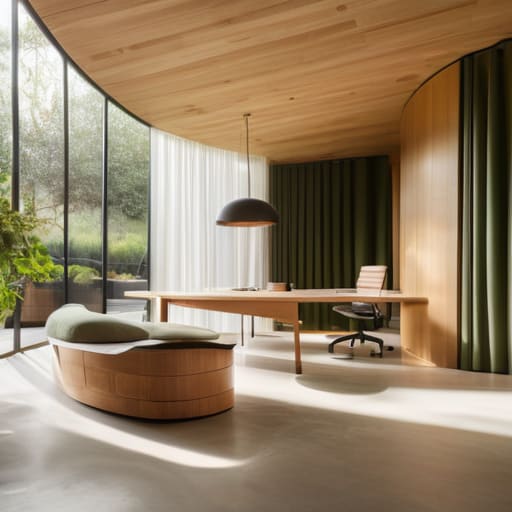
At the end of the day, building a biophilic workspace isn’t just about checking a box or buying a few expensive ferns to sit on a desk. It’s about a fundamental shift in how we view the relationship between our built environment and our biological needs. We’ve looked at how intentional lighting, natural textures, and even the way air moves through a room can drastically reduce stress and sharpen focus. When you move beyond the superficial and start integrating these elements into the actual layout of your office, you aren’t just decorating—you are engineering a space that works with human nature rather than against it.
Transitioning to this kind of design might feel like a massive undertaking, but you don’t have to overhaul the entire floor plan overnight. Start small, observe how your team reacts to a bit more sunlight or a change in material, and let those small wins guide your next move. The goal is to create a workspace that feels less like a sterile box and more like a living, breathing ecosystem. When your team feels more connected to the world around them, they’ll bring a much better version of themselves to the job. It’s time to stop fighting the environment and start embracing the wilder side of productivity.
Frequently Asked Questions
How much of a budget do I actually need to make this work without it looking like a jungle?
The honest answer? You don’t need a massive renovation budget. If you try to go full “indoor rainforest” overnight, it’ll look messy and expensive. Start small: swap out harsh overhead lighting for warmer lamps, grab a few high-quality statement plants, and maybe some natural textures like wood or stone accents. Even a few hundred bucks spent on intentional, curated pieces can shift the vibe from “sterile cubicle” to “breathable workspace” without breaking the bank.
Can I still pull this off in a tiny, windowless office or a cubicle farm?
Absolutely. You don’t need a sprawling glass atrium to make this work. If you’re stuck in a windowless cubicle, think micro-dosing nature. Grab a small desk plant, swap your harsh overhead light for a warm lamp, or even just use a high-res desktop wallpaper of a forest. It sounds small, but those tiny visual cues help trick your brain out of that “stagnant box” feeling and actually lower your stress levels.
Is there a way to do this that doesn't feel distracting or overwhelming for people trying to focus?
It’s a valid concern. You don’t want your office to feel like a literal jungle where you can’t see your monitor. The trick is subtlety. Instead of overwhelming a desk with a dozen pots, think about “micro-dosing” nature. Use soft, organic textures, natural light patterns, or even just a calming view of greenery through a window. It’s about creating a background rhythm of nature that supports your focus rather than competing with it.