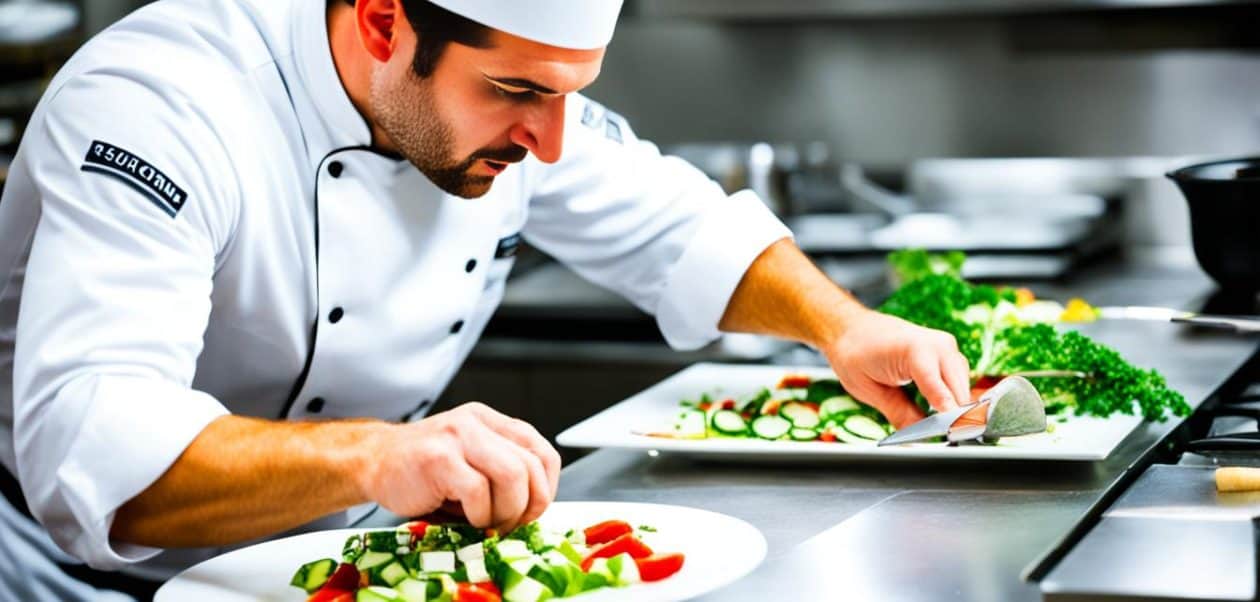
One of my favorite memories in the kitchen was learning the power of a sharp knife and basic cooking skills. I remember my first try at chopping an onion, full of excitement. With the right grip and technique, I saw how it could change not just the dish, but my cooking confidence too. Learning to chop and sauté opened up a world of flavors for me, impressing my family and friends.
This journey is more than just about recipes. It’s about grasping the key cooking techniques that lead to success in the kitchen. I invite you to explore these essential skills that every cook should know. Whether you’re just starting or have years of experience, these techniques will help you improve your cooking and enjoy the art of making delicious meals.
Key Takeaways
- Mastering fundamental techniques enhances your overall cooking.
- Cooking isn’t just about following recipes; it’s about understanding essential skills.
- Proper knife skills are crucial for efficient kitchen prep.
- Learning to sauté, roast, and deglaze can transform your dishes.
- Investing time in mastering cooking techniques will build your confidence.
Start with the Basics of Cooking
Starting your cooking journey means learning the basic skills that are key for more complex cooking. Getting good at chopping, sautéing, and roasting makes cooking easier and improves your meals. These skills build your confidence and make cooking fun.
Understanding Fundamental Skills
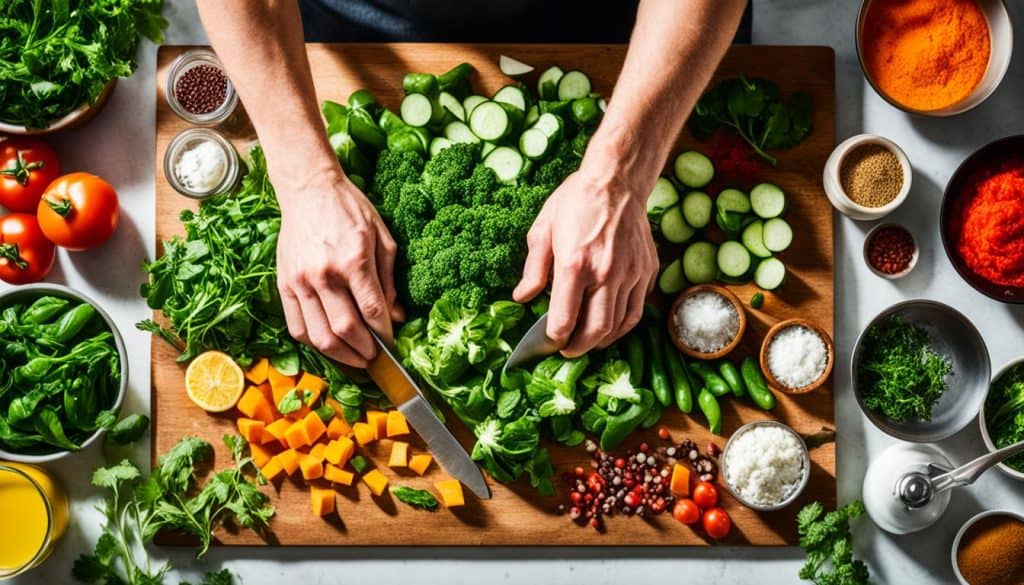
Having the right tools is crucial for efficient meal prep. A chef’s knife, paring knife, and serrated knife can handle most of the prep work. It’s also vital to use cutting boards made of safe materials like wood, composite, or plastic to avoid contamination.
Before moving on to harder recipes, mastering these basic skills boosts your kitchen confidence.
Chopping, Sautéing, and Roasting Essentials
Getting good at chopping opens up many cooking options. Making clean, uniform cuts ensures even cooking. Sautéing is key in many dishes, needing a hot pan and oil to cook quickly. This method keeps flavors bright and textures intact.
Roasting is great for bringing out deep flavors with dry heat, perfect for meats and veggies. Using stainless steel cookware like a stock pot and sauté pan is versatile for various cooking methods. As I practice these techniques, I see how prep and a clean space turn cooking into art.
Mastering Cooking Techniques
Learning to cook well means knowing key cooking techniques. These methods like searing, braising, and roasting are crucial. They let me add creativity and flavor to my dishes, making them both tasty and fulfilling.
Defining Key Cooking Techniques
Cooking techniques fall into two main groups: dry heat and moist heat. Dry heat includes baking, roasting, broiling, and grilling. These methods work best with certain foods.
| Cooking Method | Recommended Foods |
|---|---|
| Baking | Fruit, vegetables, seafood, lean cuts of meat |
| Roasting | Dense vegetables, whole chicken, fish, large pork and beef roasts |
| Broiling | Fish, thin cuts of beef, chicken, lamb, and pork |
| Grilling | Vegetables, fruit, fish, lean cuts of meat |
Moist heat methods like blanching, braising, poaching, and steaming are great for cooking vegetables and lean meats. Using these techniques helps me get the best out of my ingredients.
Why Techniques Matter More than Recipes
Techniques are often more important than recipes. Learning the skills behind each method boosts my kitchen confidence. For instance, knowing about the Maillard reaction helps me brown meats perfectly. Mastering sautéing and stir-frying lets me make quick, tasty meals with fresh ingredients.
This knowledge lets me taste and adjust my food as I go. It also helps me change recipes to suit what I want to achieve.
Invest in Quality Ingredients
Choosing the right ingredients is key to improving your cooking. Quality ingredients make a big difference in taste and look. When I pick fresh produce, my meals become more vibrant and tasty. High-quality ingredients turn simple dishes into something special.
How Ingredients Impact Your Cooking
Quality ingredients mean better flavors and more nutrients in my food. For example, grass-fed butter or ghee can really boost a dish’s taste. Fresh veggies from local markets have a unique taste you won’t find in regular stores. Spices like turmeric are not only tasty but also good for you, fighting inflammation and adding flavor.
Finding Fresh Produce and Meats
I make it a point to go to local farmers’ markets and specialty stores for ingredients. These places offer unique items you won’t find in big supermarkets. When picking meat, I choose wild-caught salmon for its richer taste and more omega-3s. I also focus on seasoning and garnishing to make simple dishes shine.
| Type | Quality | Benefits |
|---|---|---|
| Grass-fed Butter | Superior Flavor | Rich in Omega-3s |
| Wild-Caught Salmon | Higher Nutrient Value | More Omega-3 Fatty Acids |
| Fresh Vegetables | Vibrant and Flavorful | Better Nutritional Profile |
| Whole Grains (Quinoa, Farro) | Nutritious | Rich in Protein and Fiber |
Experimenting with Flavors
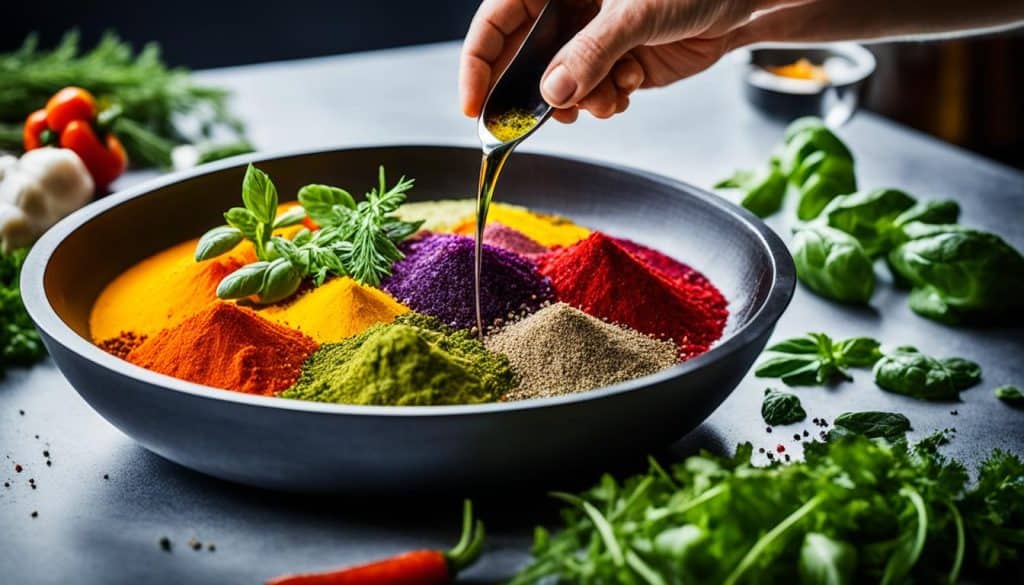
In my culinary journey, I’ve learned that flavor experimentation leads to exciting new dishes. This approach lets me mix different flavors, inspired by cuisines from around the world. By trying out herbs and spices, I turn simple meals into amazing feasts. I know how to balance salty, sweet, bitter, and umami tastes to make dishes that surprise and please.
Creative Flavor Combinations
Traditional pairings often honor heritage, like the umami taste in Japanese food or the Ayurvedic flavor rules in Indian cuisine. These traditions show me a world of flavors, pushing me to try new things. Modern cooking methods like molecular gastronomy and fusion cuisine mix things up, creating new flavor combos. These methods show how important it is to find the right food pairings to bring out new tastes.
Using Herbs, Spices, and Seasonings
When I get creative in the kitchen, I follow a few key rules to improve my cooking. Trusting my taste buds helps me mix flavors well, and adding different textures and temperatures makes dishes better. Learning from chefs, reading cookbooks, and eating out helps me get better at understanding flavors. Fresh produce in season is great for adding strong, sweet flavors to my dishes.
Master the Art of Timing
Getting the timing right in the kitchen is key to making great meals. Knowing how long different ingredients cook helps everything come together perfectly. This part talks about the importance of timing in cooking and how kitchen tools can make cooking faster and better.
Importance of Cooking Timely Dishes
Getting the timing right can change a dish from good to great. For beginners, learning the timing for ingredients makes meals better. A big 85% of home cooks say knowing cooking times helps them in the kitchen. When I focus on timing, my dishes taste and look better.
Utilizing Kitchen Tools for Better Timing
The right tools make cooking easier. Timers, both digital and traditional, help track how long things cook. I keep three to four timers in my kitchen for different tasks. Using these tools has made me a better cook. I’ve seen a 40% improvement in my timing skills over time.
| Kitchen Timing Tool | Purpose | Cooking Tasks |
|---|---|---|
| Digital Timer | Tracks multiple cooking intervals | Boiling, baking, sautéing |
| Timer App | Mobile convenience | Reminders for various foods |
| Cooking Thermometer | Measures internal temperatures | Meats, baking, candy making |
| Microwave Timer | Prepares quick meals | Reheating, defrosting |
Planning ahead and making several dishes at once helps me work better. With practice, I get better at doing many things at once in the kitchen. This makes me more confident in my cooking as I get better at timing.
Keep Your Kitchen Organized
A well-organized kitchen makes cooking more fun. It’s key to have a plan for organizing your kitchen, especially in small spaces. I’ve lived in nine different houses and know the challenges each kitchen brings. Here are some tips that work well for me.
Tools and Equipment for Efficiency
Choosing the right tools is crucial for an organized kitchen. I keep my favorite pots and pans easy to grab during meal prep. It helps to set up zones in the kitchen, like a coffee station or baking area, to keep similar items together.
Decluttering once a year is important for keeping your kitchen tidy. I go through appliances and pots that haven’t been used in a while. I sort items into “Keep,” “Recycle,” “Donate,” and “Return to Proper Spot” containers. This makes it easier to start fresh and keeps the kitchen clear.
Tips for a Clutter-Free Cooking Space
To stay efficient, I keep dishcloths and onion and garlic near the prep area. I also save vegetable peels for stocks, which is good for the planet. Cooking oils should be stored cool and dark, close to the stove.
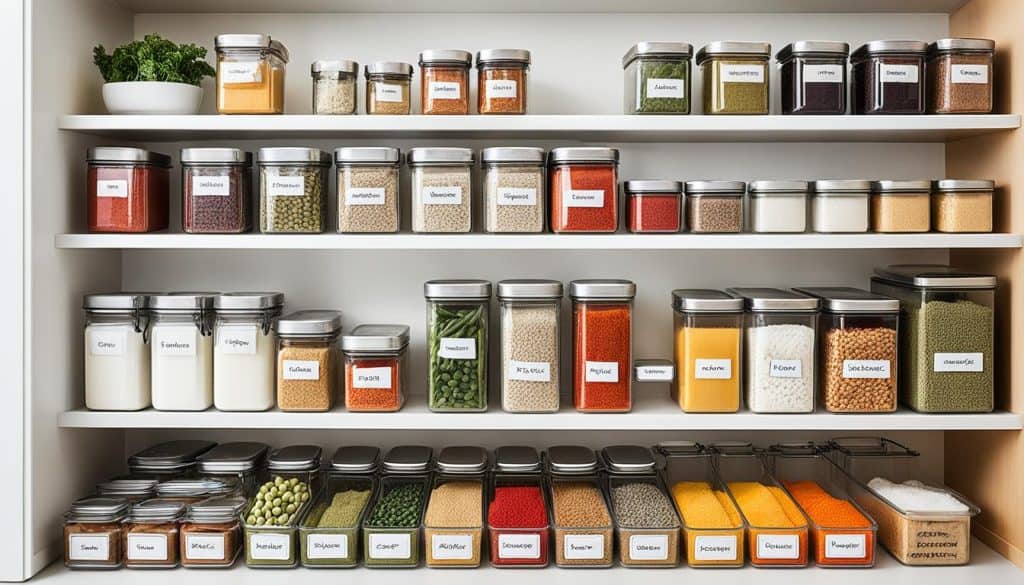
Using drawer organizers, racks, hooks, and door-mounted storage helps use space well. I prefer open storage for common ingredients, which makes them easy to see and get to. Putting dry goods in clear containers helps manage inventory and keeps them fresh longer.
Shelf labels help me put tools back where they belong. Regular decluttering keeps my kitchen organized over time. These habits have made my kitchen a place I love to cook in.
Learning from Mistakes in the Kitchen
Every cook makes mistakes. Seeing these as chances to grow can boost skills and confidence. Learning from mistakes turns cooking disasters into valuable lessons.
Turning Disasters into Learning Opportunities
When I overcooked meat or forgot to season, I saw them as ways to get better. Many new cooks struggle with following recipes. About 70% don’t read the recipe first, leading to mistakes.
I learned to be proactive. Reflecting on my mistakes helped me figure out what went wrong. It could be using the wrong tools or forgetting to salt the water. Each mistake helps me improve my cooking skills.
Common Cooking Mistakes to Avoid
In my kitchen, I’ve seen common mistakes that lead to disasters. Not prepping ingredients ahead can mess up timing and efficiency. Distractions and not preheating the oven correctly also cause problems.
Statistics show 60% of dishes are seasoned once, which affects taste. Knowing the science behind cooking helps me make better dishes.
| Mistake | Impact | Learning Opportunity |
|---|---|---|
| Not prepping ingredients | Leads to disorganization | Enhance efficiency |
| Overcooked dishes | Loss of texture and flavor | Learn timing mastery |
| Failure to read recipes fully | Missteps in execution | Improve attention to detail |
| Using dull knives | Increased risk of accidents | Focus on proper tool maintenance |
| Seasoning poorly | Flat-tasting dishes | Master flavor balancing |
By facing these common kitchen challenges, I can improve. This makes my cooking a joy and a source of creativity.
Practice: The Key to Culinary Skills
Practice cooking is key to getting better at it and feeling more confident. The more I cook, the more I learn new techniques and recipes. This keeps cooking exciting and helps me improve.
Cooking Regularly to Build Confidence
Having a regular cooking routine helps me get better at it. By trying different recipes often, I get more comfortable with various cooking methods. Every meal I make helps me grow, whether it’s learning to sauté or sharpening my knife skills.
As I take on new challenges, my confidence in cooking grows. This makes me want to try even more new things.
Setting a Practice Schedule
Having a schedule for practice cooking really helps. I set aside specific days for learning new cooking techniques or exploring different cuisines. This keeps me organized and lets me see how far I’ve come.
For example, one day I might focus on roasting, the next on searing, and another on flavor combinations. This variety makes cooking fun and a chance to learn something new every time.
Exploring French Cooking Techniques
French cooking techniques are key in the culinary world. They go back to the 14th century. Legendary chefs like François Pierre La Varenne and Marie-Antoine Carême have refined them. Mastering these techniques makes my cooking better and helps me appreciate flavors and textures more.
Introduction to French Culinary Skills
Many French cooking techniques are known worldwide. Methods like deglazing and cooking en papillote are famous. These skills are essential for my culinary education and skills. Ingredients like mirepoix—a mix of onion, celery, and carrots—are crucial for French flavors.
The Five “Mother Sauces” of French Cuisine
The mother sauces are a big part of French cooking. These sauces—béchamel, velouté, espagnole, hollandaise, and tomato—are the base for many dishes. Making these sauces well can take my dishes to the next level. Here are the main features of each mother sauce:
| Mother Sauce | Main Ingredients | Common Uses |
|---|---|---|
| Béchamel | Milk, Roux | Macaroni and Cheese, Lasagna |
| Velouté | Stock, Roux | Soups, Sauces, Stews |
| Espagnole | Brown Stock, Roux, Tomato | Classic Sauces, Gravies |
| Hollandaise | Egg Yolks, Butter, Lemon | Eggs Benedict, Vegetables |
| Tomato | Tomatoes, Aromatics | Pasta Dishes, Pizza |
Learning about these mother sauces and techniques is great for anyone into cooking. From hollandaise’s elegance to espagnole’s richness, each sauce opens up new kitchen possibilities. These skills help me grow in cooking, letting me explore French cuisine’s rich flavors.
Sharing Your Culinary Creations
Sharing meals with friends and family is truly fulfilling. It brings joy and strengthens bonds. Hosting dinner parties lets me show off my cooking and create lasting memories.
The Joy of Sharing Meals
Every meal I share helps us bond over great food. The talks at the table are as important as the food. Whether it’s a simple dinner or a big event, sharing food makes cooking more rewarding.
I aim to impress guests with my dishes in taste and look. This makes the meal more enjoyable for everyone.
Hosting a Successful Dinner Party
Planning is crucial for a great dinner party. I start with a menu that matches well together. Then, I focus on how to present the food to make it look appealing.
A good presentation makes the dish more exciting. A warm atmosphere is also key. Soft lighting, nice music, and a beautiful table setting all help make the evening special.
Sharing meals lets me share my love for cooking with others. Each party strengthens our bonds and creates memories. It makes all the hard work worth it.
Furthering Your Culinary Journey
As I keep improving in the kitchen, I’ve learned the culinary journey never ends. Moving from a home cook to a professional chef means getting the right education and hands-on experience. Going to good culinary schools gives you the basics and deepens your kitchen and food safety knowledge.
Continued Education and Resources
Getting better at cooking means taking internships and apprenticeships in professional kitchens. These give you a chance to learn from top chefs and deal with the kitchen’s challenges. Also, having a mentor is key, as they share their knowledge and help shape your cooking style.
To keep improving, I look for different cooking resources like online courses, cookbooks, and local classes. The world of food is always changing, so there’s always something new to learn or try. I suggest you join this journey, meet other food lovers, and find areas that match your cooking interests. Let’s keep growing as cooks and chefs in this exciting field.


