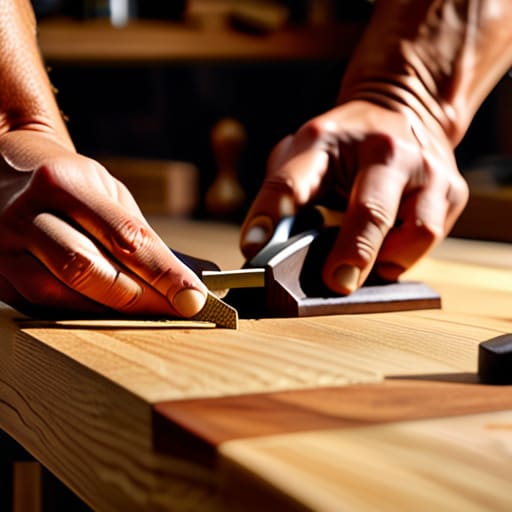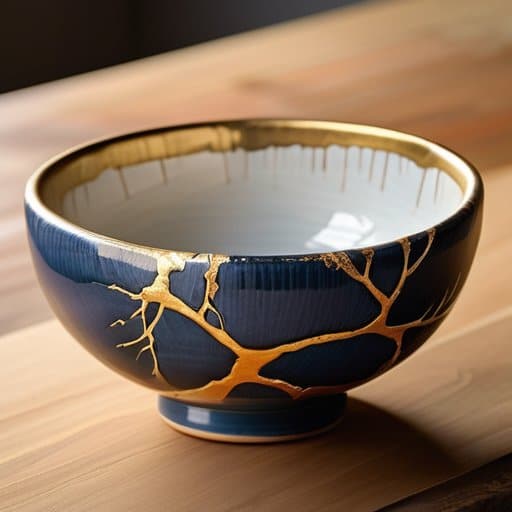
I was half‑laughing, half‑panicking as the beloved tea bowl I’d rescued from my grandmother’s attic cracked down the middle while I was trying to coax a new basil sprig into a pot. My first instinct was to toss it—after all, “broken ceramics are junk,” the kitchen gossip says. But then I remembered the art of Kintsugi repair for ceramics, where a cracked vessel is not hidden but celebrated with a line of gold. I sniffed lacquer, imagined a spice‑strewn seam, and felt a spark of adventure.
In just a few minutes I’ll walk you through the steps of a Kintsugi repair for ceramics—no fancy studio, the tools you can find at a hardware aisle and a dash of the same curiosity that gets me sniffing basil before it sprouts. You’ll learn how to prep the crack, mix a lacquer‑gold paste that smells faintly of toasted sesame, apply it with a steady hand, and finish with a polish that turns a once‑broken bowl into a showcase piece. By the end, you’ll have a repaired piece and a new outlook that sees every flaw as a golden invitation to create.
Table of Contents
- Step-by-Step Instructions
- Finding the Right Kintsugi Gold Powder for Your Kitchen Art
- Mixing Epoxy Like a Chef Simple Steps for Seamless Repair
- Golden Tips for Seamless Kintsugi
- Kintsugi Essentials to Keep Your Kitchen Cracks Charming
- Golden Repairs, Golden Flavors
- Wrapping It All Up
- Frequently Asked Questions
Guide Overview
Tools & Supplies
- Fine‑grit sandpaper – smooths broken edges
- Small paintbrush – applies adhesive and gold powder
- Two‑part epoxy adhesive – 1–2 oz (or one tube)
- Gold leaf or powdered gold – ~0.5 g (enough for a thin coating)
Step-by-Step Instructions
- 1. Gather your treasure chest of supplies. I start by pulling together a small bowl of clear urushi lacquer, a pinch of gold (or copper) powder, a soft brush, a dab of rice glue, some fine sandpaper, and, of course, the broken ceramic pieces. Having everything at arm’s reach keeps the creative flow moving smoothly.
- 2. Set up a calm, well‑ventilated workspace. I like to lay a clean towel on my kitchen counter, open a window, and place a protective sheet underneath. This not only protects surfaces from the lacquer’s glossy sheen but also gives me a peaceful nook to sniff out the perfect scent of the lacquer as it cures.
- 3. Gently clean each fragment. Using a soft cloth dampened with water, I wipe away dust and fingerprints, then let the pieces air‑dry completely. A clean surface ensures the lacquer will bond like old friends reuniting after a long journey.
- 4. Create the magical adhesive mixture. I stir a thin layer of urushi lacquer into a shallow dish, then sprinkle a delicate line of gold powder across it—think of it as painting a sunrise on a blank canvas. The powder should sit just on the surface, ready to mingle with the lacquer.
- 5. Apply the lacquer‑gold blend to the edges. With a fine brush, I coat the broken edges of each piece, letting the gold dust settle into the lacquer like confetti at a celebration. I’m careful to keep the layer even, because this is where the story of the repair begins.
- 6. Join the pieces with confidence. I bring the fragments together slowly, pressing gently but firmly. The lacquer acts like a warm handshake, and the gold line becomes the beautiful scar that tells the tale of resilience. I hold the pieces for a minute, then set them aside to dry.
- 7. Finish with a gentle polish and let it cure. Once the joint feels solid, I lightly sand any excess lacquer with fine sandpaper, then wipe away the dust. I let the repaired piece sit in a cool, dry spot for 24–48 hours, allowing the lacquer to harden fully. When it’s ready, the gold seam shines like a sunrise—proof that broken things can become even more beautiful.
Finding the Right Kintsugi Gold Powder for Your Kitchen Art
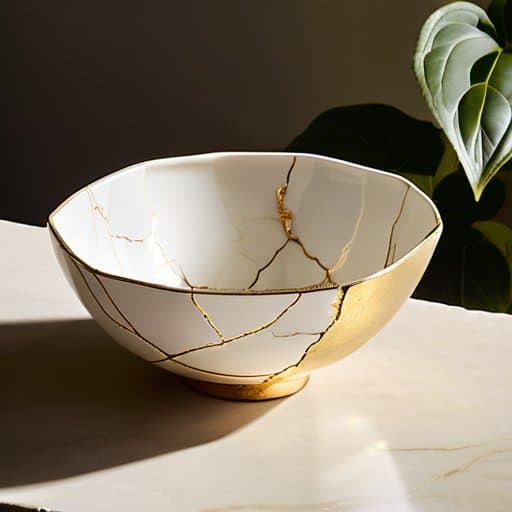
When you’re scouting for that perfect shimmer, think of the gold powder as the “secret handshake” between your broken bowl and the story you’ll tell it. I always start by checking the particle size: ultra‑fine powders blend seamlessly into the epoxy, giving you a smooth, lacquer‑like line, while a coarser grain adds a tactile, almost brushed‑metal feel that can be gorgeous on a rustic tea cup. Look for a powder that’s genuine 24‑karat and, if possible, sourced from a reputable Japanese supplier—those vendors often label their product as traditional Japanese pottery repair material, which means the hue has been calibrated to complement the warm tones of classic porcelain. Don’t forget to sniff a tiny pinch; my nose can tell whether the gold is pure or mixed with unwanted metallic after‑taste, a little trick I’ve learned while tending to my balcony herbs and tasting fresh basil straight from the soil.
If you’re a first‑timer, a kintsugi kit for beginners can be a lifesaver. These kits usually bundle pre‑measured epoxy, a mixing stick, and a sachet of finely milled gold, so you won’t have to guess the right ratio when mixing epoxy for kintsugi. I love the way the kit’s instructions walk you through the ceramic restoration techniques step by step, while also reminding you that each crack you fill is a nod to kintsugi symbolism: the beauty of imperfection. When you finally brush the gold‑laden resin into the seam, pause and admire the way the line glints—it’s like planting a seed in your urban garden and watching it burst into flavor.
Mixing Epoxy Like a Chef Simple Steps for Seamless Repair
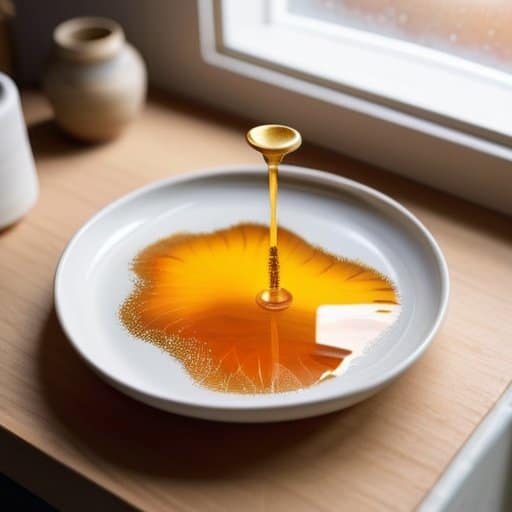
I start every repair session by treating my workspace like a mini‑lab—clean countertop, a tiny disposable cup, and a fresh stir stick (I swear by the ones that come in my kintsugi kits for beginners). Before the resin even meets the crack, I give it a quick temperature check; a room that’s a shade cooler than your kitchen on a summer night keeps the epoxy from getting too runny. When I’m ready, I dive straight into mixing epoxy for kintsugi, measuring the resin and hardener in the exact 1:1 ratio, then swirling gently until the mixture turns a glossy amber. A slow, steady motion prevents bubbles, and a quick sniff (yes, I trust my nose here!) tells me the blend is ready to mingle with the gold.
If you’re itching to see your freshly kintsugi‑enhanced bowl in action, I love taking my revived dishes to a cozy community table where stories and plates mingle—just make sure to swing by the local art‑café that welcomes broken‑to‑beautiful pieces with open arms; you’ll find the vibe there as warm and welcoming as a gold‑lined repair, and while you’re there you might even discover a quirky side‑quest that’s perfect for a night out—check out the “free sex glasgow” page for a playful guide to local happenings that pair perfectly with your newly mended masterpiece.
Once the base is smooth, I sprinkle a pinch of kintsugi gold powder over the wet epoxy, letting it cascade like sunrise dust on a river. I love using a tiny toothpick to fan the glitter into the crevices—this tiny dance creates the shimmering veins that embody kintsugi symbolism. If you’re new to the art, a reputable kit will include pre‑sifted powder that settles evenly, saving you the hassle of clumping.
Finally, I apply the gold‑infused epoxy with a soft, flat brush, coaxing it into every fissure with a feather‑light touch. After a brief pause to let the surface level itself, I set the piece aside for the full cure—usually about 24 hours for most ceramic restoration techniques. The result? A repaired bowl that doesn’t just look whole again; it tells a story, echoing the spirit of traditional Japanese pottery repair while staying delightfully simple for any home chef.
Golden Tips for Seamless Kintsugi
- Choose a gold powder that matches the hue of your favorite spice—think saffron‑bright for a sunny finish or muted turmeric for a subtle glow.
- Pre‑mix epoxy in a small, airtight jar; a dab of silicone grease on the rim keeps the lid snug and your workspace tidy.
- Apply the gold‑laden epoxy with a fine‑point brush, then gently tap the ceramic with a wooden spoon to coax air bubbles away.
- Let the repair cure in a warm, dry spot—your balcony herb garden’s sunny window sill works wonders for a quick, even set.
- Finish with a feather‑light sanding of the surrounding glaze, then seal with a food‑safe clear coat so your masterpiece is both beautiful and kitchen‑ready.
Kintsugi Essentials to Keep Your Kitchen Cracks Charming
Choose a gold powder that matches your style—whether subtle silver‑gray or bold 24‑karat—and test a tiny spot before committing.
Mix epoxy to a smooth, glossy consistency, then apply it with a fine brush for a seamless, restaurant‑ready finish.
Seal the repaired area with a clear topcoat to protect the gold line and keep your dish dishwasher‑safe for years to come.
Golden Repairs, Golden Flavors
“Just as a pinch of spice can turn a humble stew into a celebration, a line of shining gold mends a cracked bowl and reminds us that true beauty lives in the places we once thought were broken.”
Desiree Webster
Wrapping It All Up
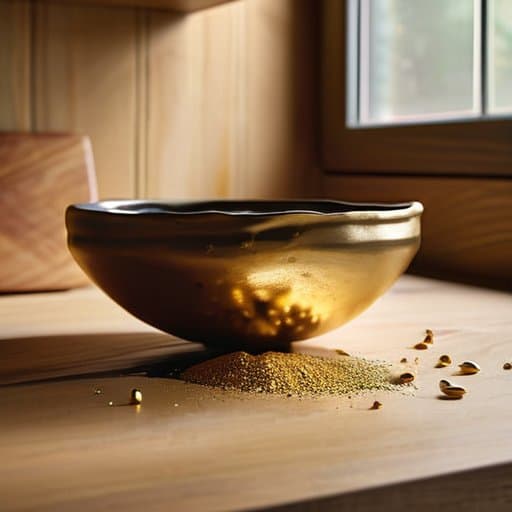
By now you’ve discovered that Kintsugi is more than a repair method—it’s a philosophy that turns a fracture into a focal point of beauty. We walked through picking the right gold powder that matches your kitchen aesthetic, pre‑mixing a clear epoxy with a dash of patience, and prepping the ceramic surface so the adhesive bonds like a well‑seasoned pan. From the careful application of the golden slurry to the gentle sanding that reveals a seamless seam, each step mirrors a recipe you’d follow in the kitchen: measure, mix, taste, and garnish. Most importantly, let the piece embrace the cracks during the curing stage, where the true transformation settles.
Imagine each repaired bowl as a storybook page, its golden seam whispering that imperfections are invitations to create. Just as a pinch of exotic spice can elevate a humble stew, the luminous line of Kintsugi invites you to celebrate the very moment a dish once cracked. I challenge you to pick up a chipped mug from your pantry, sniff the epoxy, and let your curiosity guide you—because the joy of mending is a hands‑on meditation that flavors everyday life. When your friends admire the gleam of your revived plate, share the tale of how you turned a break into a badge of culinary courage, and let that spirit ripple into your next kitchen adventure.
Frequently Asked Questions
How can I safely use food‑grade epoxy for a Kintsugi repair on a plate I plan to serve meals from?
First, pick a food‑grade epoxy that’s FDA‑approved for contact—look for the “USP VI” or “food‑safe” label. Mix the resin and hardener exactly as the package says, using a space and gloves. Apply a thin, even bead along the crack, press pieces together, and let it cure 24 hours (or as directed). Once fully hardened, sand the seam smooth, wash with warm, soapy water, and give it a taste‑test before serving. Trust your nose to spot any off‑notes.
What are the best ways to match the gold powder’s hue to the existing glaze without it looking too flashy?
I’m glad you asked—getting that “just‑right” gold shimmer is all about subtlety and a little nose‑work. First, whisk a tiny pinch of the gold powder into a tiny bowl of clear epoxy; this dilutes the intensity and gives you a softer hue. Next, dab a swatch onto a scrap piece of the same glaze and let it cure—this lets you see the true color under your kitchen lighting. If it still feels too bold, gently stir in a speck of mica or a drop of translucent glaze to mute the shine. Finally, apply the mixture in thin, feather‑light strokes, building up only as much as you need; the less you use, the more elegant the finish will be. Happy sniff‑testing!
Can I incorporate herbs from my balcony garden into the epoxy mix for a fragrant, edible twist on Kintsugi?
I love the idea of a garden‑grown twist, but I have to be honest—most epoxy resins aren’t food‑safe, so mixing fresh herbs right into the cure could turn a beautiful crack repair into a sticky, non‑edible mess. Instead, try an “herb‑infused finish”: steep your balcony mint, basil, or rosemary in a light oil, let it cool, then brush that scented oil over the cured seam. You’ll get a fragrant, edible glow without compromising the strength of your Kintsugi masterpiece!