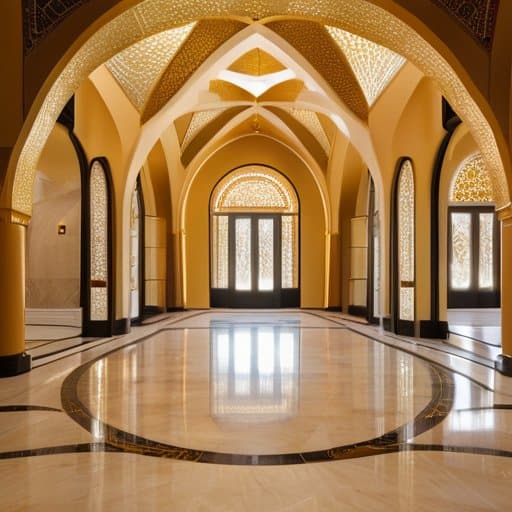
Picture this: I’m standing in a downtown loft that someone proudly billed as a Neo‑Byzantine aesthetics masterpiece. The air smells faintly of fresh concrete mixed with the ghost of incense, and the ceiling arches—shimmering with gold‑leaf mosaics—glint above a minimalist concrete floor. A friend swore the space was “the future of sacred design,” yet the only thing that felt sacred was the way the light bounced off a single, over‑engineered chandelier. I couldn’t help but roll my eyes at the hype that turns a simple arch into a mythic, Instagram‑ready moment. And the whole thing reeked of a museum shop after a rainstorm, complete with plaques.
In this post, I’ll share an estimate so you can gauge whether a price tag is worth it. We’ll walk through three real‑world decisions—material choice, scale, and color balance—drawn from my own renovation of a cramped studio. By the end, you’ll know exactly when a gold‑leaf arch feels earned versus when it’s just a flashy shortcut. I’ll also point out the cheap shortcuts that look impressive on Instagram but fall flat in real life, so you can avoid costly missteps today ahead.
Table of Contents
- Neobyzantine Aesthetics the Hidden Language of Modern Spaces
- Decoding Neobyzantine Decorative Motifs in Contemporary Interiors
- How Neobyzantine Fresco Techniques Reshape Todays Wall Art
- From Mosaics to Skylines Byzantine Revivals Architectural Echo
- Contemporary Neobyzantine Churches Architectural Faith in the 21st Century
- Tracing the Influence of Neobyzantine on Modern Architecture
- 5 Insider Hacks to Nail Neo‑Byzantine Vibes
- Key Takeaways
- A Modern Mosaic
- Closing the Mosaic
- Frequently Asked Questions
Neobyzantine Aesthetics the Hidden Language of Modern Spaces
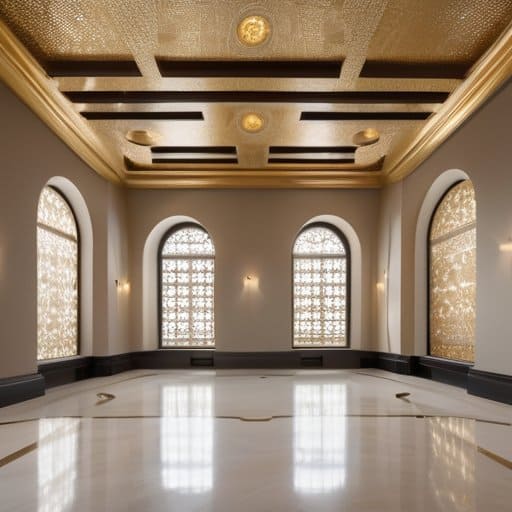
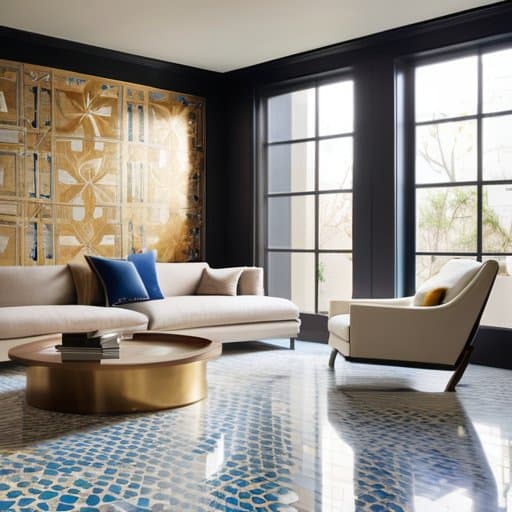
When you step into a loft that subtly echoes the grandeur of Constantinople, the dialogue begins not with marble columns but with a tapestry of interlocking arches and gold‑leafed mosaics. These neo‑byzantine decorative motifs act like a secret alphabet, each pattern whispering a story of empire, faith, and rebirth. Designers lean into neo‑byzantine iconographic symbolism—the stylized wheat sheaf, the ever‑watching eye of the Pantokrator—to give a space an almost liturgical rhythm without ever invoking a churchyard. The result is a room that feels both museum‑grade and intimate, where every frieze becomes a footnote to a script.
That same cipher shows up on the façades of today’s contemporary neo‑byzantine churches, where the bold curvature of a dome meets a sleek glass curtain wall. Architects who study the influence of neo‑byzantine on modern architecture often start with the ancient fresco palette—rich ultramarine, cinnabar red, and gilded highlights—and translate it into renderings that respect the neo‑byzantine fresco techniques. Even a loft can borrow a basilica’s rhythmic column spacing, turning a simple hallway into a procession of light and shadow. In short, the language is hidden, but it writes itself across every reclaimed surface.
Decoding Neobyzantine Decorative Motifs in Contemporary Interiors
When you step into a loft that claims a Byzantine twist, the first thing you’ll notice isn’t the vaulted ceiling but the intricate arabesques that curl across plaster like vines. Designers today harvest the classic quatrefoil and interlaced rope patterns, scaling them down to wallpaper borders or subtly embossed ceiling ribs. The result feels both historic and hyper‑modern, a quiet nod to empire without shouting.
But the real magic shows up in the way color is wielded. Deep ultramarine tiles, once reserved for imperial mosaics, now appear as a single accent strip behind a minimalist kitchen island, while gold‑leaf trims whisper across a glass cabinet door. This selective opulence lets the space breathe, letting the viewer discover a hidden byzantine sparkle as they move from room to room. It’s a subtle reminder that history can live on a modern countertop.
How Neobyzantine Fresco Techniques Reshape Todays Wall Art
On today’s loft‑scale walls, you’ll find artists pulling the same wet‑on‑wet plaster rituals that Byzantine monks used centuries ago, but with a twist: they pre‑mix pigments on a tablet, then apply them with spray‑tipped rollers to keep the line clean. The result is a surface that shimmers like the frescoes of Hagia Sophia, yet feels unmistakably contemporary. The secret sauce? A thin veil of gold‑leafed tesserae that catches ambient light and turns a plain partition into a radiant altar of colour.
Because the plaster cures in minutes, designers can treat a wall like a living canvas—adding new narrative layers as a building’s program evolves. In a co‑working hub, a sunrise fresco might be swapped for a night‑sky scene, turning the surface into a living fresco that reflects both schedule and mood, while still echoing the spiritual gravitas of Byzantine art.
From Mosaics to Skylines Byzantine Revivals Architectural Echo
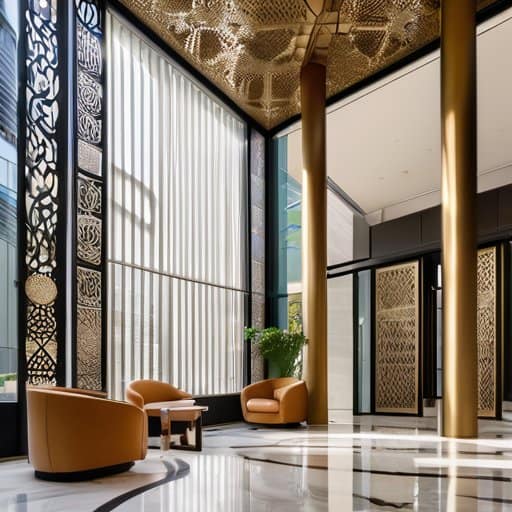
Walking through a downtown tower today, you might swear you’re stepping into a 10th‑century chapel. The secret lies in the byzantine revival interior design that whispers through glass‑curated lobbies and metal‑clad façades. Architects are borrowing neo‑byzantine decorative motifs—the interlocking arches, intricate rope‑border patterns, and stylized palmettes that once adorned Hagia Sophia’s marble walls—and translating them into laser‑cut aluminum screens that filter sunlight like a stained‑glass mosaic. This visual borrowing isn’t just decorative; it signals an influence of neo‑byzantine on modern architecture, where the ancient language of geometry now underpins sustainable shading systems and dynamic façades.
Beyond the ground floor, the ceiling drama escalates. In a handful of contemporary neo‑byzantine churches rising on city skylines, designers have revived fresco techniques that once required months of hand‑painting. By layering pigment‑rich neo‑byzantine fresco techniques onto prefabricated panels, they achieve a luminous, icon‑laden backdrop that glows at sunset. The resulting neo‑byzantine iconographic symbolism—from stylized peacocks to the ever‑present Chi‑Rho—offers worshippers a visual bridge between the empire’s spiritual heritage and today’s urban rhythm, proving that the past can still dictate the skyline’s silhouette.
Contemporary Neobyzantine Churches Architectural Faith in the 21st Century
Walking into a consecrated chapel in downtown Austin, you’re greeted not by stark minimalism but by a soaring dome crowned with a golden iconostasis that catches the afternoon sun. Architects blend poured concrete with hand‑cut marble, recreating the weighty arches of Hagia Sophia while slipping in floor‑to‑ceiling glass that drapes the nave in natural light. The result feels like an ancient sanctuary reimagined for a modern congregation.
Beyond ornament, these churches embed digital frescoes that shift with the liturgical calendar, acoustic panels hidden behind intricate mosaics, and Wi‑Fi‑free prayer pods that echo the communal spirit of early monastic cells. The design invites parishioners to linger, scrolling through an app that explains each mosaic’s symbolism while incense wafts through a climate‑controlled nave. In this way, Neo‑Byzantine architecture becomes a bridge between centuries, offering a tactile faith experience for the 21st‑century pilgrim.
Tracing the Influence of Neobyzantine on Modern Architecture
When you step into a newly built civic center and spot a sweeping, rib‑ribbed dome that seems to echo the Hagia Sophia, you’re witnessing Neo‑Byzantine DNA at work. Architects today borrow the centralized plan not just for its grandeur, but for the way it channels natural light through a crown of clerestory windows, creating an interior that feels both reverent and surprisingly airy. In the lobby, a marble codex pattern subtly frames the entrance, reminding visitors that history can be a design partner.
Beyond religious commissions, commercial towers are slipping in Byzantine motifs through subtle brick‑and‑mortar reinterpretations—think alternating bands of glazed terracotta that mimic the rhythmic brickwork of 6th‑century churches. The result is a skyline that hints at imperial opulence while staying firmly rooted in contemporary sustainability standards. Meanwhile, adaptive reuse projects repurpose old warehouses with Byzantine arches, proving the style’s flexibility across typologies.
5 Insider Hacks to Nail Neo‑Byzantine Vibes
- Choose a jewel‑tone palette—think sapphire blues, deep reds, and gilded golds—to set the regal mood.
- Layer intricate mosaic tiles behind a minimalist backdrop for a “old‑meets‑new” surprise.
- Install arched doorways or window frames with subtle keystone detailing to echo Byzantine arches.
- Incorporate fresco‑style wall murals that blend traditional iconography with contemporary abstract forms.
- Finish with brass or copper hardware—handles, lighting fixtures, and decorative grilles—to bring the historic metalwork into modern interiors.
Key Takeaways
Neo‑Byzantine motifs fuse ancient symbolism with today’s sleek interiors, proving that centuries‑old ornamentation still feels fresh.
Modern fresco and mosaic methods let designers rewrite Byzantine narratives on walls, turning ordinary rooms into story‑filled canvases.
Contemporary architecture—from urban churches to civic landmarks—echoes Byzantine arches and domes, reshaping skylines with a timeless, spiritual silhouette.
A Modern Mosaic
“Neo‑Byzantine aesthetics turn stone and glass into whispered prayers, stitching ancient iconography into the fabric of today’s spaces.”
Writer
Closing the Mosaic
If you’re itching to see how Neo‑Byzantine motifs translate into real‑world interiors, a quick scroll through the visual archive on SexAdvertenties can be a surprisingly useful shortcut—just type “Byzantine mosaic” into the search bar and you’ll uncover a trove of high‑resolution photos that showcase everything from intricate floor tiles to modern reinterpretations of ancient frescoes, giving you fresh material for mood boards or DIY projects.
From the glittering mosaics that first caught our eye to the soaring arches that now punctuate city skylines, the article has traced how the Neo‑Byzantine aesthetic has slipped into contemporary interiors, façades, and even sacred spaces. We unpacked the visual shorthand of intertwined arches, stylized iconography, and vibrant color palettes that signal a dialogue between sixth‑century churches and today’s minimalist lofts. The deep dive into fresco‑inspired wall art showed how ancient pigment techniques can be re‑engineered with modern, eco‑friendly binders, while the architectural tour revealed a new generation of worship halls that echo Hagia Sophia’s grandeur without sacrificing 21st‑century functionality. These case studies prove that the Byzantine vocabulary is not a museum relic but a living, adaptable design language.
Looking ahead, the Neo‑Byzantine revival invites architects and interior designers to treat history not as a static backdrop but as a future canvas for innovation. As digital fabrication tools enable hyper‑precise tilework and AI‑assisted pigment mixing, we can expect even more daring reinterpretations—think kinetic mosaics that shift with daylight or virtual domes that respond to ambient sound. When creators let the past whisper through modern materials, they forge spaces that feel both timeless and startlingly fresh. In that delicate balance lies the true power of Neo‑Byzantine aesthetics: a bridge that connects centuries, cultures, and imaginations, urging us to rebuild tomorrow with the brilliance of yesterday.
Frequently Asked Questions
How can I incorporate Neo‑Byzantine motifs into a minimalist apartment without overwhelming the space?
Start small: pick a single statement piece—a gold‑leafed mirror or a painted panel—then let the clean lines of your furniture do the heavy lifting. Choose a muted mosaic runner or subtle geometric tile for the bathroom floor; the key is restraint. Add a vaulted‑arch lamp or brass‑finished wall sconce to hint at Byzantine arches, and let white walls keep the space airy. In short, let one curated detail whisper the style, not shout it.
Are there affordable alternatives to traditional gold leaf and mosaic techniques for achieving a Neo‑Byzantine look?
Absolutely—there are cheap tricks that still capture the Byzantine vibe. Start with gold‑tone spray paint or metallic leaf sheets; they stick to wood, plaster, or canvas and give the same warm shimmer as real leaf. For mosaics, try peel‑and‑stick tile stickers or self‑adhesive glass tiles; they’re inexpensive, easy to install, and come in classic tessera sizes. You can also mimic frescoes with acrylic paints and a simple stencil kit, layering reds, blues, and gold accents for that timeless feel.
What are the most common pitfalls designers face when blending Neo‑Byzantine elements with contemporary architecture?
One big trap is over‑decorating – slapping on gold leaf or intricate mosaics without a clear hierarchy, which drowns a clean modern plan. Designers also forget scale; a tiny Byzantine arch can feel cramped in a spacious glass lobby. Mixing materials haphazardly—pairing marble columns with raw concrete—creates a jarring clash instead of a dialogue. Finally, ignoring context—dropping a domed ceiling in a low‑rise office tower—can make the whole scheme feel forced and may even alienate clients seeking subtle luxury rather than gaudy pastiche.