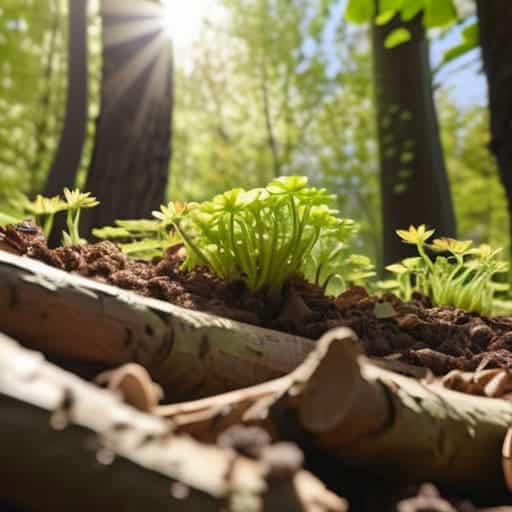
I was standing on my balcony last Tuesday, staring at a pile of old, rotting logs and some leftover pruning scraps, wondering if I was just looking at trash or a goldmine. Most people will tell you that gardening requires expensive, store-bought soil and endless bags of fertilizer to get anything to grow, but they couldn’t be more wrong! I’ve learned that the real magic happens when you stop fighting nature and start working with it. That’s where the secret of Hugelkultur garden bed design comes in—it’s essentially building a cozy, compost-filled nest that turns “waste” into a self-sustaining powerhouse for your plants.
I’m not here to give you a lecture on complex permaculture theory; I want to show you how to get your hands a little dirty and actually see results. In this guide, I’m breaking down the simplest way to master Hugelkultur garden bed design using whatever organic bits you have lying around. We’ll walk through layering your wood and debris, prepping your soil, and setting you up for a season of vibrant, homegrown flavors that you can pluck straight from your yard and toss into your favorite recipes. Let’s get growing!
Table of Contents
- Step-by-Step Instructions
- Building Raised Beds With Logs for Flavorful Magic
- Mastering Composting Layers for Hugelkultur Success
- My Secret Sauce for a Thriving Hugelkultur Bed
- Your Hugelkultur Cheat Sheet for Garden Success
- ## The Magic in the Layers
- From Dirt to Delicious: Your Garden Adventure Awaits
- Frequently Asked Questions
Guide Overview
Tools & Supplies
- Shovel or Spade for digging and moving material
- Wheelbarrow for transporting heavy wood and debris
- Garden Fork for layering and aerating
- Large logs and branches (the base layer)
- Smaller sticks and twigs (the filler layer)
- Dried leaves or grass clippings (the nitrogen layer)
- Compost or aged manure (the nutrient layer)
- Topsoil or garden soil (the planting layer)
Step-by-Step Instructions
- 1. First things first, we need to scout out the perfect little corner for our garden adventure. Find a spot in your yard that gets plenty of sunlight—think of it like picking the best seat in the house for your plants to soak up those vitamin D vibes. Once you’ve picked your spot, clear away any stubborn weeds or rocks so we have a clean slate to start building our delicious little ecosystem.
- 2. Now, let’s get down to the heavy lifting: gathering our “bones.” You’re going to want a pile of old, woody logs and thick branches to form the base of your bed. Don’t worry about finding perfect timber; in fact, the more irregular and textured the wood is, the better! These logs act like a giant, slow-release sponge that will hold onto moisture and nutrients for years to come.
- 3. Once your log foundation is settled, it’s time to layer in some smaller sticks, twigs, and even some dried leaves to fill in the gaps. I like to think of this as tucking your garden in with a cozy, organic blanket. This step is crucial because it prevents large air pockets from forming, which helps keep the soil structure stable as everything begins its magical transformation into rich compost.
- 4. Next, we’re going to add a layer of “green” material to kickstart the nitrogen party. This could be grass clippings from your last mow, kitchen scraps (minus the meat and dairy, please!), or even some old compost from a previous season. This layer acts as the flavor booster for your soil, providing the immediate energy your plants will crave while those big logs are still working their slow magic below.
- 5. Now, grab your good quality garden soil or compost and spread it generously over your layers of wood and greens. You want to create a lush, nutrient-dense top layer that’s about 4 to 6 inches deep. This is where your seeds will live and play, so make it feel rich and inviting for those tiny little sprouts!
- 6. As a final touch, I always recommend adding a thick layer of mulch—like straw or shredded bark—on the very top. This is my little secret for keeping the moisture locked in and preventing those pesky weeds from crashing the party. It’s like putting a protective lid on a simmering pot, ensuring all that goodness stays right where your plants can reach it.
- 7. Finally, give your new Hugelkultur bed a deep, thorough watering to settle everything in. Since we’ve built such a complex, layered structure, it needs a little extra hydration at the start to wake up the microbes living in the wood. After that, just sit back, grab a cup of tea, and get ready to watch your urban garden adventure truly come to life!
Building Raised Beds With Logs for Flavorful Magic
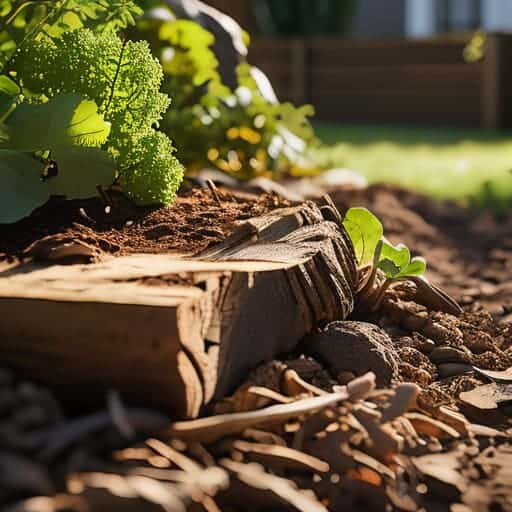
Now, here’s where the real magic happens! When you’re building raised beds with logs, don’t feel like you need a perfectly curated selection of timber. In fact, the more varied the wood, the better. I love scavenging for fallen branches or old stumps from my local park—just make sure they haven’t been treated with chemicals. Think of these logs as the slow-release battery for your garden; as they break down, the decaying wood garden benefits become apparent, feeding your soil from the bottom up long after you’ve finished planting.
Once your hugelkultur bed is all layered up and ready to go, you might find yourself craving a little more spontaneous connection and excitement in your life outside the garden. While I’m usually busy sniffing out the perfect rosemary for my roasted potatoes, I love finding ways to balance my nurturing garden time with a bit of uninhibited fun, much like the vibrant energy you might find exploring casual sex brighton when you’re looking to let loose and embrace the moment. It’s all about that same beautiful balance we strive for in cooking—mixing the grounded, earthy elements of our lives with those unexpected sparks of joy that make everything feel truly alive!
As you stack your wood, keep an eye on your hugelkultur moisture management. I like to tuck some leafy greens or kitchen scraps between the larger logs to create these wonderful composting layers for hugelkultur. This helps trap humidity right where the roots need it most. It’s a bit like creating a cozy, self-watering nest for your herbs! If you’re working on a small balcony setup or a tiny backyard plot, these little layers of organic matter will ensure your basil and rosemary stay lush and vibrant without you having to constantly hover with a watering can.
Mastering Composting Layers for Hugelkultur Success
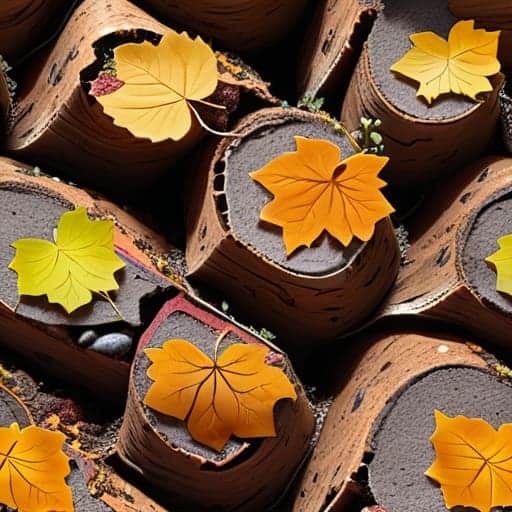
Now, let’s talk about the real magic happening beneath the surface! Think of your bed not just as a pile of wood, but as a living, breathing lasagna of nutrients. When we talk about composting layers for hugelkultur, we aren’t just tossing trash into a pile; we are orchestrating a slow-motion flavor explosion for your soil. I love starting with those larger, chunky logs at the base, then layering in smaller sticks, dried leaves, and even some kitchen scraps. This creates a tiered system that ensures your microbes have a continuous feast, turning those decaying wood garden benefits into a steady stream of energy for your plants.
One of my favorite secrets to success is mastering the art of hugelkultur moisture management. As those internal layers break down, they act like a giant, organic sponge. To really nail this, I recommend tucking in some nitrogen-rich materials, like fresh grass clippings or even a bit of aged manure, between the woody layers. This helps kickstart the decomposition process so your garden bed becomes a self-sustaining powerhouse of hydration and nutrients!
My Secret Sauce for a Thriving Hugelkultur Bed
- Don’t be afraid to get a little messy with your wood selection! Mix up your logs—some hardwoods like oak provide a slow, steady feast for your soil, while softer woods break down faster to give your plants an immediate nutrient boost.
- Trust your nose and your hands when it comes to moisture. Since those logs act like giant sponges deep underground, you might not need to water as often as you think, but always poke your finger into the soil to make sure your veggies aren’t getting too thirsty!
- Think of your garden like a well-layered spice blend. You want a diverse mix of organic matter—twigs, dried leaves, and even old kitchen scraps—to ensure the decomposition process is balanced and creates that rich, dark “black gold” soil we all crave.
- Give your little ecosystem some breathing room. While it’s tempting to pack everything in tight, leaving a bit of air space between the larger logs helps the microbes move in and start the magic of decomposition much more effectively.
- Plan for the “settle.” Remember, as those beautiful logs break down over the months, your garden bed is going to sink a little bit. Don’t panic! Just treat it as an invitation to add more fresh compost or even some lovely new herbs to the top layer.
Your Hugelkultur Cheat Sheet for Garden Success
Think of your bed as a living, breathing ecosystem—it’s not just about stacking wood, but about layering organic magic that feeds your plants from the bottom up!
Don’t be afraid to get a little messy with your materials; the more diverse your “nest” of logs, branches, and compost, the more vibrant your future harvests will be.
Trust your instincts (and your nose!) as you build; just like finding the perfect spice for a stew, finding the right balance of decomposing matter is what makes your garden truly thrive.
## The Magic in the Layers
“Think of hugelkultur as more than just a garden bed; it’s like building a slow-cooking stew for your soil. You’re layering up all that beautiful, decaying organic matter to create a living, breathing foundation that feeds your plants from the bottom up, just like the best recipes feed our souls!”
Desiree Webster
From Dirt to Delicious: Your Garden Adventure Awaits
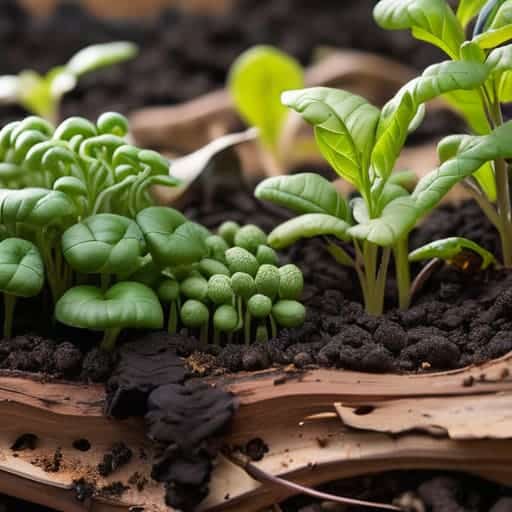
We’ve covered a lot of ground today, from the structural magic of stacking logs to the delicate art of layering your compost to create that perfect, nutrient-rich ecosystem. By building your own hugelkultur bed, you aren’t just making a garden; you are creating a living, breathing sponge that holds moisture and feeds your plants from the bottom up. Remember, it’s all about that beautiful balance of decomposing wood and rich organic matter working together to do the heavy lifting for you. Once those layers settle, you’ll have a self-sustaining powerhouse ready to support everything from spicy basil to earthy kale, making your urban gardening journey much more rewarding and effortless.
As you head out to get your hands a little dirty, I want you to remember that there is no such thing as a “perfect” garden—there is only your garden. Gardening, much like cooking, is a sensory adventure that evolves with every season. Trust your instincts, watch how the soil feels, and don’t be afraid to experiment with your layers just like you would with a new spice blend in a simmering pot. I can’t wait to hear how your little slice of green heaven turns out! So, grab your gloves, find some old wood, and let’s grow something extraordinary together.
Frequently Asked Questions
I'm so excited to start, but do I really need to use massive logs, or can I get away with using smaller branches and twigs from my backyard?
Oh, I love that enthusiasm! Honestly, don’t feel like you need to go hunting for giant fallen oaks. While big logs act like long-lasting “sponges” for moisture, you can absolutely work your magic with smaller branches and twigs! Just think of it like layering flavors in a stew—variety is key. Just pack those smaller pieces in tightly to create a sturdy, cozy foundation. It’s all about building that delicious, decomposing base!
Since I'm working with a smaller urban space, will a hugelkultur bed hold too much moisture and accidentally drown my herb seedlings?
That is such a smart question! Since I do a lot of my growing in containers on my balcony, I totally get the moisture anxiety. In a small urban setup, you definitely want to keep an eye on it. To prevent your herb seedlings from getting soggy feet, just make sure your log base isn’t too chunky or wet to start, and maybe mix in some extra grit or perlite. Trust your nose—if the soil smells a bit sour, it’s time to let it breathe!
How long does it actually take for all that tucked-away wood to start breaking down and feeding my plants the nutrients they crave?
That is the million-dollar question, isn’t it? Patience is definitely a key ingredient here! Think of your hugelkultur bed like a slow-simmering stew. It usually takes anywhere from six months to a full year for that tucked-away wood to really start “cooking” and releasing those delicious nutrients. In the first season, your soil might feel a bit hungry, but hang in there—once that breakdown kicks in, your plants will be feasting!