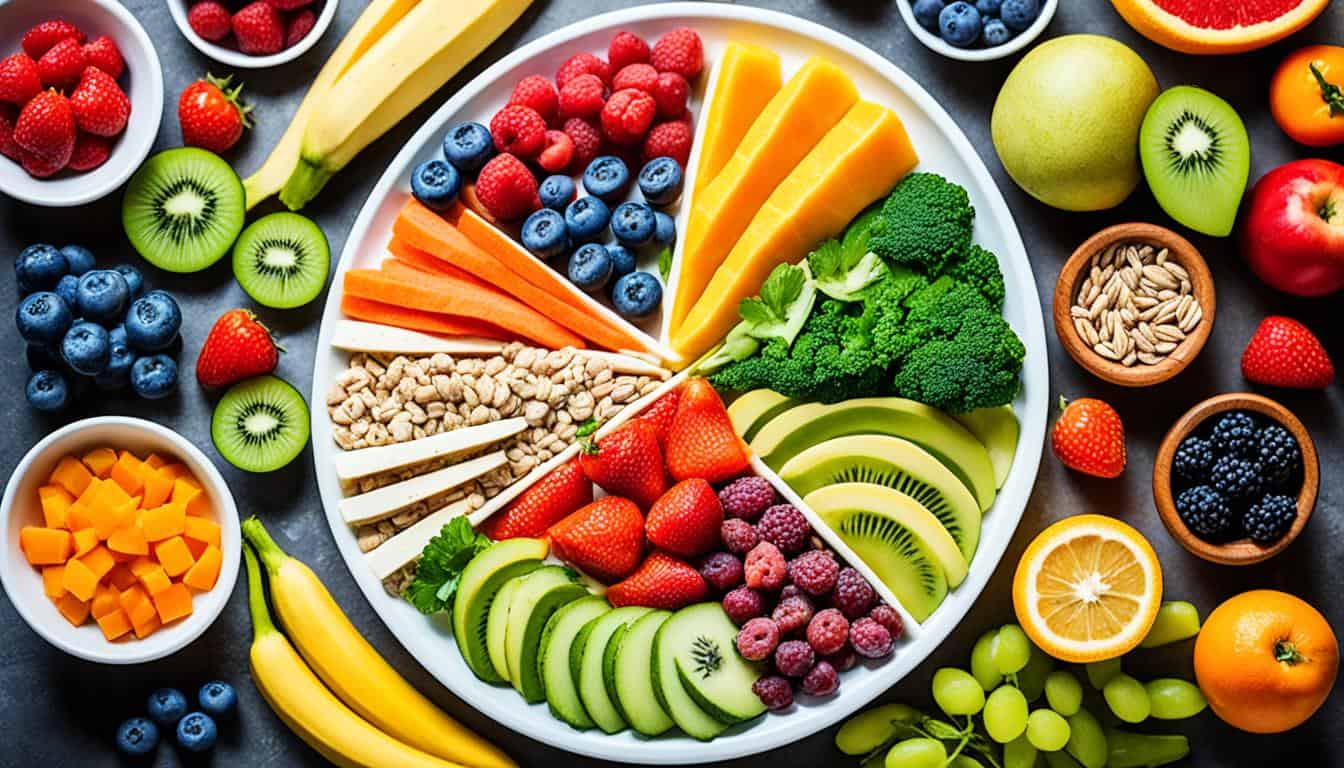
Every morning, I stand at a crossroads in my kitchen. Do I go for a quick bowl of sugary cereal or make a healthy breakfast? This choice affects my health and energy for the day. Food and Nutrition are key to our well-being, just like the USDA School Breakfast Program helps students stay focused and perform better.
Exploring healthy eating showed me how every bite affects my health. What I eat impacts my body and mind. In Bhutan, many struggle with health issues due to poor nutrition, highlighting the importance of eating well.
Let’s explore how food and nutrition fuel our bodies and support a vibrant life. Join me as we discover the impact of nutrition on our health.
Key Takeaways
- Food choices significantly affect our health and energy.
- Healthy eating boosts physical and mental performance.
- Nutrition is crucial for preventing health problems.
- Mindful eating leads to better wellness and quality of life.
- Good nutrition is key for kids’ learning and success.
Understanding the Basics of Nutrition
Nutrition is key to a healthy life. It’s about how our bodies get and use food. It includes macro and micronutrients, vital for growth, energy, and health. Knowing these nutrition basics helps me make smart food choices for my health.
Macronutrients like carbs, proteins, and fats give us energy. They are our main fuel, affecting our metabolism and how well we perform. Micronutrients, or vitamins and minerals, help our bodies work right. Without enough of these, we might get sick.
The role of nutrition in our health is huge. Studies show eating whole, nutrient-rich foods can make us live longer and stay healthier. Eating a variety of foods keeps our gut healthy and helps us maintain a good weight. But eating too much junk food can lead to obesity and serious health problems like heart disease and diabetes. Knowing this helps me make better food choices.
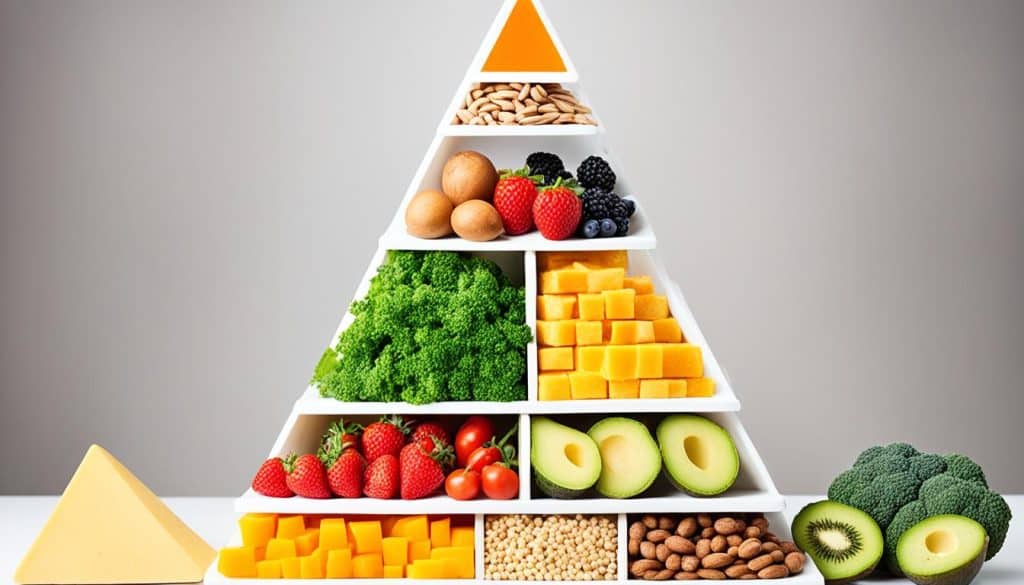
Nutrition Defined and Its Importance
Nutrition is more than just the food we eat every day. It’s the key to living a healthy life. It means getting the nutrients our bodies need to work right, keeping us healthy and improving our life quality.
It’s important to understand how our food choices affect us. Our bodies need carbs, proteins, and fats for energy and health. By choosing wisely, I help my body do its best, making it easier to stay active and exercise.
Carbs give us energy by turning into glucose. Eating foods rich in nutrients helps lower the risk of diseases. Proteins in meats, dairy, and nuts help fix and build body tissues. Healthy fats from avocados and nuts keep our hearts healthy and give us important fatty acids.
Adding these key nutrients to my meals makes me stronger against illness. Knowing the importance of my food choices helps me pick foods that are good for me in the long run.
The Role of Food in Nutrition
Food is key to our health and energy. It’s where we get essential nutrients. By eating nutrient-dense foods like fruits, veggies, whole grains, and lean proteins, I keep my body running well. Each food has special benefits, helping me live a balanced and healthy life.
Fueling the Body: Nutrient-Dense Foods
Nutrient-dense foods give a lot of vitamins and minerals for their calories. Eating foods like leafy greens, berries, nuts, and fish keeps me healthy. These foods are full of nutrients and help prevent chronic diseases. They’re important for healthy eating.
Balancing Macronutrients: Carbohydrates, Proteins, and Fats
Getting the right macronutrient balance is key for energy and health. Carbs give me energy, proteins fix and build tissues. Healthy fats in foods like olive oil and fish help with nutrient absorption and heart health. Knowing this balance helps me make better food choices for my healthy eating habits.
Eating a mix of these nutrient-dense foods meets my hunger and body’s needs. By choosing foods wisely and knowing what my body needs, I’m on the path to a healthier life.
Food and Nutrition: A Balancing Act
Getting the right mix of nutrients is key to my daily life. I learn how different foods work together to make smart eating choices. I aim for diets that have carbs, proteins, and fats in the right amounts.
Carbs give me energy, especially if I’m active. Athletes need about 250 g or 1000 kcal of carbs every day. Some may get 50-70% of their calories from carbs, based on how hard they train. These foods help me perform better and stay healthy, giving me the energy for daily tasks.
Proteins are also crucial for staying healthy. I make sure to eat 1.0 to 1.8 g of protein per kilogram of my weight daily. This helps my muscles recover and grow, especially when I’m into strength training or long workouts. It’s important to balance proteins with other nutrients for healthy meals.
Don’t forget about healthy fats. I try to get 25-30% of my calories from fats, using sources like olive oil, nuts, and seeds. These fats are important for many body functions and help with overall health. Eating a variety of foods lets me get the right mix of nutrients, which is good for my health and workouts.
Getting the right balance in my meals means mixing all these elements together. It helps me avoid overeating and builds healthy eating habits. These habits keep my energy up and support my active lifestyle.
The Impact of Nutrition on Health and Wellness
Nutrition is key to our health and wellness. It helps prevent many diseases and makes us stronger against chronic illnesses. By understanding how our diet affects us, we can make better choices for our health.
Disease Prevention Through Proper Nutrition
More than half of U.S. adults, about 129 million people, have a diet-related chronic disease. These diseases include heart disease, high blood pressure, and type 2 diabetes. Eating a diet full of fruits, vegetables, and whole grains can help prevent these diseases.
It can also help with weight control and lower cholesterol levels.
The Connection Between Nutrition and Weight Management
Keeping a healthy weight is key to avoiding obesity-related health problems. Eating too much fat and sugar can lead to weight gain and increase the risk of diabetes and heart disease. A diet low in saturated fat and high in fiber is better for weight control.
Eating foods rich in omega-3 fatty acids, like salmon, can also help with weight management and heart health.
Nutritional Influence on Mental Health
Nutrition affects not just our physical health but also our mental well-being. Not having enough nutrients like vitamin D and omega-3 fatty acids can hurt our brain function and mood. For example, not enough vitamin D during pregnancy can increase the risk of ADHD in kids.
Getting enough nutrients is important for a healthy brain and emotions. This leads to a better life overall.
The Art of Mindful Eating for Better Nutrition
Learning about mindful eating has changed how I view nutrition. It makes me eat with full awareness, listening to my body’s hunger and fullness signals. I now enjoy my food more because I focus on the taste and texture of each bite.
I’ve started to savor each bite, not rushing through my meals. This helps me know when I’m really full. Mindful eating is not about strict rules. It’s about being present and enjoying the moment.
Eating with Awareness: The Mindful Approach
Controlling portion sizes is a key part of mindful eating. Using smaller plates and utensils helps me eat less. I now serve my meals on plates, not directly from packages, which makes me pay more attention to what I eat.
Waiting 10 to 15 minutes before going back for seconds has also been helpful. It lets my body signal when I’m full, preventing overeating.
Practicing Portion Control and Its Benefits
Understanding portion control is part of healthy habits. Studies show that bigger serving dishes can lead to eating more. So, I choose smaller servings and enjoy just a few bites of my favorite treats.
This keeps my diet balanced and satisfies my cravings. By turning off distractions like the TV, I can focus on my meals. This improves my relationship with food and boosts my overall health.


