As I walked into my high school cafeteria, the smell of pizza and fries filled the air. My friends were all around the greasy food, but I remembered a health class slide show. It talked about how important it is for teens to eat healthy.
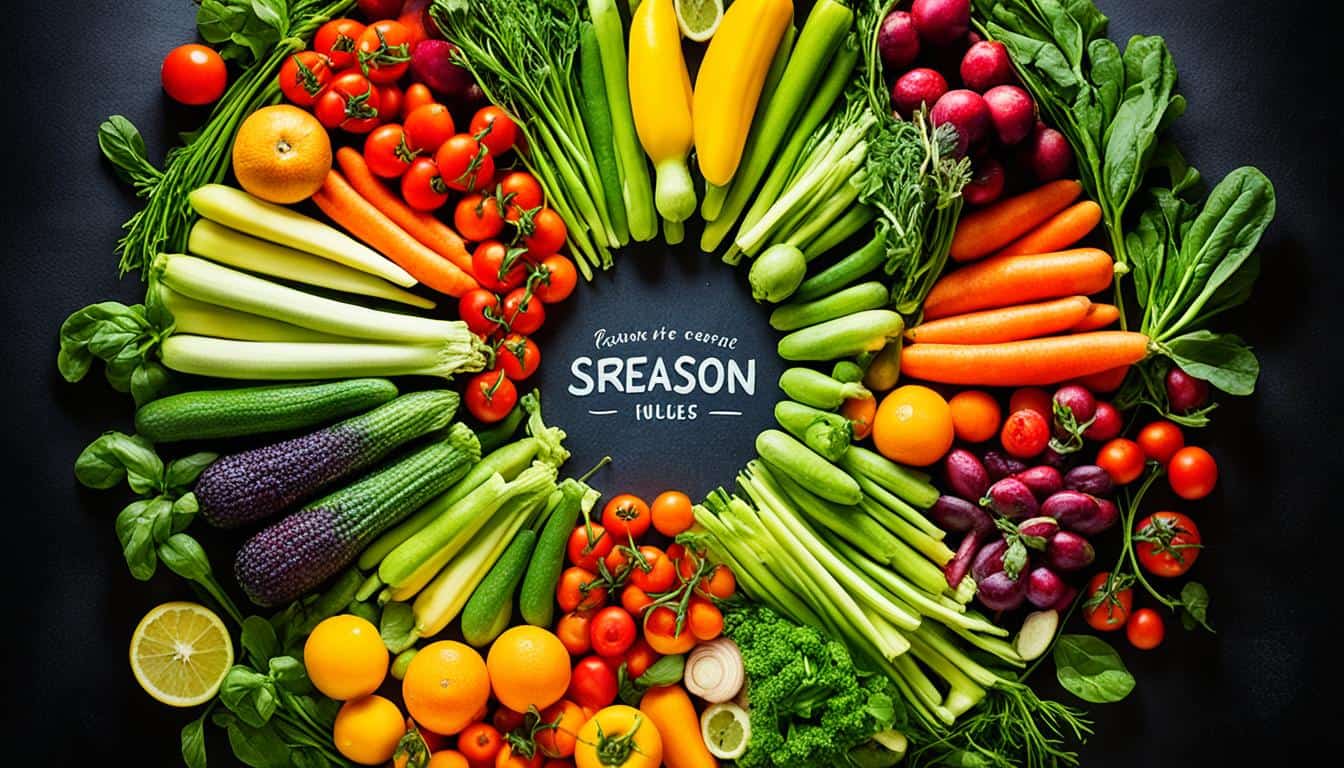
We should eat about 2 1/2 to 4 cups of veggies every day. So, I started packing my own lunches with fruits and veggies. These foods helped my body and mind stay strong.
I felt better physically and mentally. I could focus better in class and had more energy for sports. This made me see how crucial a balanced diet is for teens.
Key Takeaways
- Healthy Eating for Teens is essential for physical and mental growth.
- Teens should aim for a balanced diet with adequate fruits, vegetables, and dairy.
- Understanding nutritional needs helps in academic and athletic performance.
- Making nutritious meals can be simple and enjoyable.
- Involving teens in meal preparation builds confidence in the kitchen.
The Importance of Healthy Eating for Teens
Healthy eating is key for teens. They grow and develop fast, needing more nutritional needs. Eating a balanced diet gives them the energy and nutrients for their bodies and minds. This is important for both their health and how well they do in school.
Understanding Nutritional Needs During Adolescence
Teens need different amounts of food as they grow. Girls need about 1300 mg of calcium daily, and boys need 1400 mg. Iron is also important, with many girls not getting enough. Teens often eat more meals out and may choose foods based on what their friends like.
It’s good to limit juice to 8 ounces a day, as the American Academy of Pediatrics suggests. This helps keep sugar intake in check. Eating well is important for teens.
Impact on Academic and Athletic Performance
A good diet is key for teen athletic performance and academic success. Active teens can get all the nutrients they need from Canada’s Food Guide without supplements. They should eat nutritious foods to stay energized and focused.
Drinking enough water is also crucial, especially when they’re active. They should drink half a cup every 15 minutes and more after exercising. Starting good eating habits early helps teens deal with growth and sets them up for healthy choices as adults.
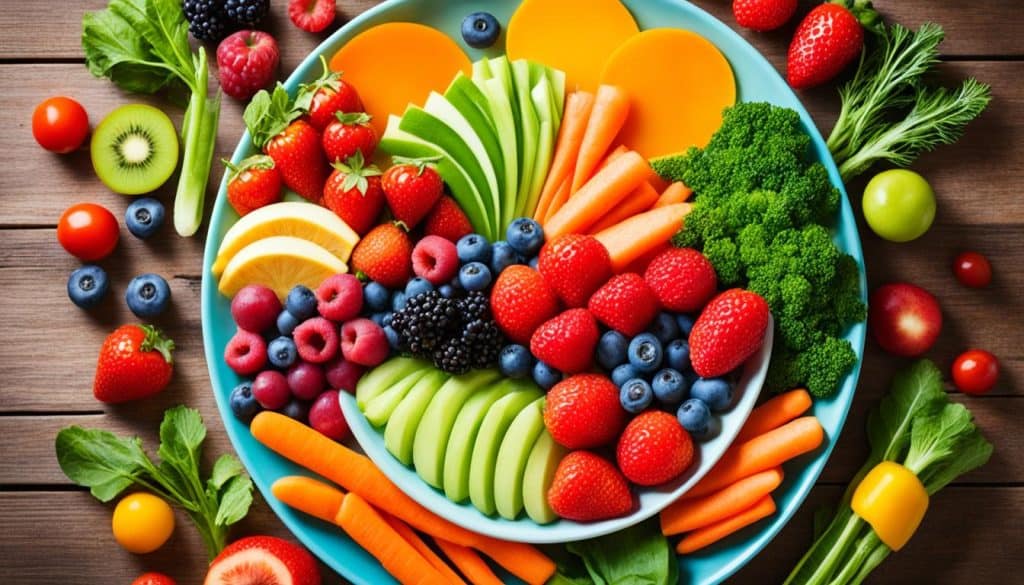
Encouraging teens to drink plenty of water is important. They should drink half a cup every 15 minutes and more after exercising. Starting good eating habits early helps teens deal with growth and sets them up for healthy choices as adults.
| Nutritional Element | Female DRI (13-17 years) | Male DRI (13-17 years) |
|---|---|---|
| Calcium (mg/day) | 1300 | 1400 |
| Iron (mg/day) | 15 | 11 |
| Sugar Intake (ounces/day) | Limit to 8 | Limit to 8 |
Creating a Balanced Diet
For teens, eating a balanced diet is key for growth and health. It’s important to focus on meals that are full of nutrients. This means eating a variety of foods to get all the vitamins and minerals needed for an active life.
Components of a Nutrient-Dense Meal
A meal packed with nutrients should have different foods. Teens should eat whole grains, lots of fruits and veggies, and lean proteins like fish, chicken, eggs, beans, and nuts. Experts say teens should aim for:
| Food Group | Recommended Daily Intake |
|---|---|
| Fruits | 2 cups |
| Vegetables | 2 ½ cups |
| Grains | 6 ounces |
| Dairy | 1,300 mg of calcium |
| Protein | 5 ½ ounces |
Choosing foods low in bad fats and high in fiber is good for a balanced diet. For example, eating unsaturated fats in avocados and fish instead of butter or heavy gravies helps teens stay energized without gaining too much weight. Drinking water or low-fat milk is better than sugary drinks for staying hydrated and healthy.
How to Include All Food Groups
Adding all food groups to meals is easy with some planning. Make sure each meal has something from each category in the MyPlate guide. This makes cooking fun and ensures meals are healthy. I like to prepare meals in bulk at the start of the week to keep things interesting and healthy.
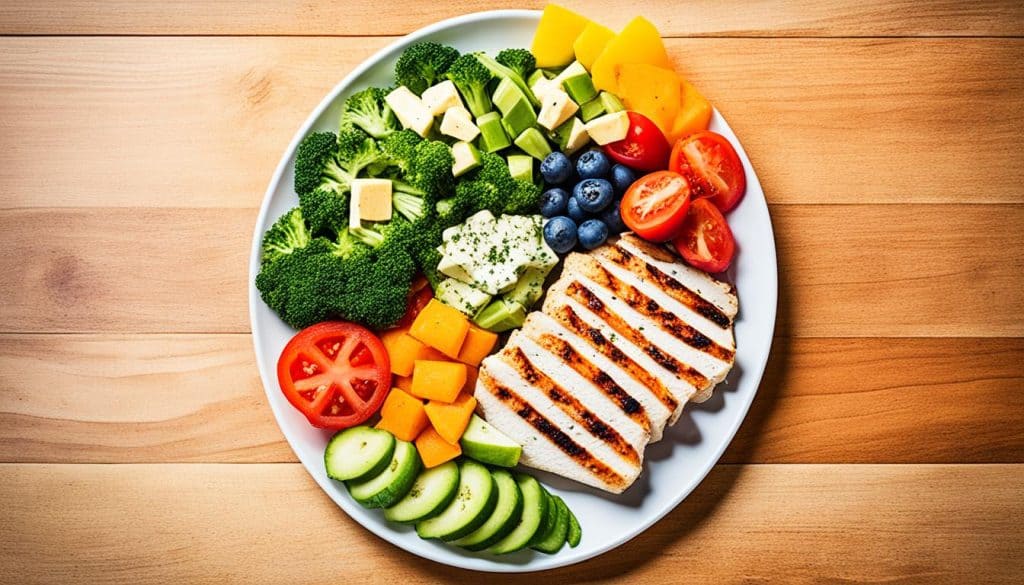
Snacks are important for a balanced diet too. Choosing fruits, nuts, or yogurt over chips or candy boosts nutrition. It’s important to control how much unhealthy snacks you eat and focus on healthy ones. Eating three meals and healthy snacks helps build good eating habits for the long term.
Healthy Eating for Teens: Simple and Tasty Recipes
Cooking can be fun and rewarding, especially with easy recipes that are both nutritious and tasty. I’ll share some quick breakfast ideas and healthy lunch options for busy days. These recipes provide essential nutrients and make healthy eating fun for teens.
Quick and Easy Breakfast Ideas
Starting the day with a nutritious meal sets the tone for success. Smoothies are a great choice; just blend your favorite fruits with yogurt or milk for a creamy start. Overnight oats are another easy option—a mix of oats, milk, and toppings like fruits or nuts left in the fridge overnight makes a grab-and-go meal.
Other fun options include savory omelettes filled with vegetables and cheese, or homemade breakfast burritos with various fillings. These breakfast ideas support a balanced diet and are quick to prepare.
Nutritious Lunch Options for Busy Days
I love preparing colorful bento boxes with proteins, whole grains, and fresh veggies. This can include chicken, rice, and steamed broccoli for a balanced meal. Veggie-filled wraps are another great option—just fill a whole grain tortilla with hummus, sliced veggies, and lean protein.
Easy pasta recipes are also a hit, like simple pesto pasta or a hearty tuna pasta bake. These dishes are appealing and can be packed with healthy ingredients. Homemade quesadillas with your favorite fillings are versatile and quick to make, while a classic chili is comforting and great for meal prep.
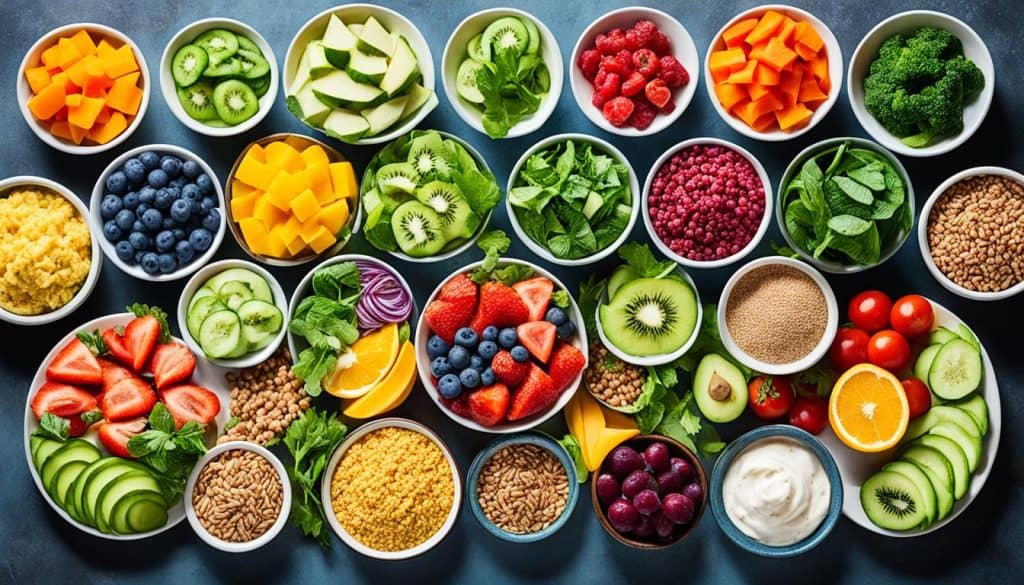
Encouraging creativity with these meals helps develop cooking skills and fosters a love for healthy eating among teens. Getting them involved in meal prep can motivate better food choices and an understanding of balanced nutrition.
Snack Ideas for Growing Teens
Finding snacks for growing teens can be tough. I aim to explore tasty and nutritious options that meet their energy and growth needs. By mixing quick homemade snacks with healthy store-bought ones, teens can stay fueled for their busy lives.
Homemade Snacks in Minutes
Making quick homemade snacks is fun and simple. Teens can whip up a snack on the go that’s also nutritious. For example, yogurt parfaits with Greek yogurt, fruits, and granola offer protein and calcium, key for growth. Egg muffins are another great choice, packed with protein and easy to prepare ahead of time. Adding avocados to whole grain toast gives healthy fats and fiber, making it a great snack choice.
Healthy Store-Bought Options
On busy days, healthy store-bought snacks are a lifesaver. Choices like Thunderbird Real Food Bars, RXBARs, and Lärabars are made with whole foods and low in sugar. Cheese sticks are easy to grab and go, full of calcium and protein. Trail mix, with nuts, seeds, and dried fruits, is a mix of vitamins and minerals. For a fun snack, turkey sticks offer a protein boost. Dried fruit with nuts is also a quick way to get energy.
| Snack Type | Nutritional Benefits |
|---|---|
| Greek Yogurt Parfait | 15 grams of protein, calcium |
| Egg Muffins | High in protein |
| Avocado Toast | Healthy fats, fiber |
| Trail Mix | Vitamins, minerals, antioxidants |
| Thunderbird Real Food Bars | Whole food-based, minimal added sugars |
| Turkey Sticks | Portable protein source |
| Cheese Sticks | Calcium, protein, healthy fats |
Encouraging teens to snack healthily keeps them energized and focused. By offering both homemade and store-bought options, they can easily eat a balanced diet that supports their growth and activities.
Engaging Teens in Meal Preparation
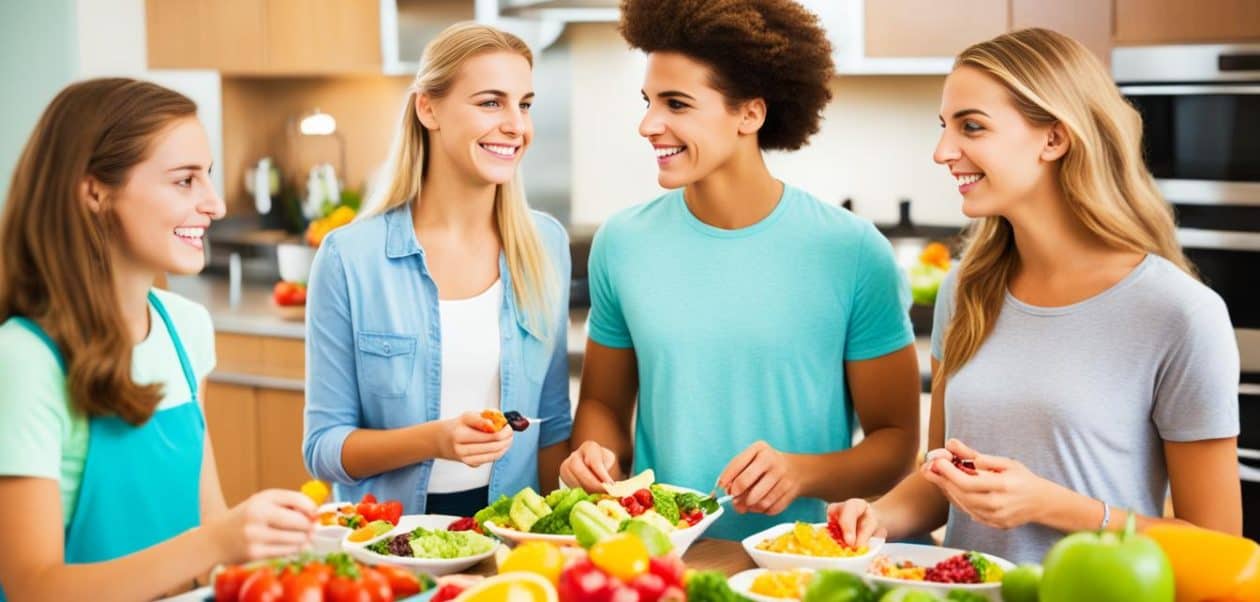
Getting teens involved in cooking helps them eat healthier. With so many food choices, it’s key to teach them how to cook. This builds their independence and helps them feel confident in the kitchen.
Building Confidence in the Kitchen
Teaching teens basic cooking skills lets them own their food choices. Start with simple recipes that they can make with little help. Making a stir-fry or a salad is fun and teaches them a lot.
Using fresh ingredients gets them to try new fruits and veggies. These are often overlooked by teens. A tidy kitchen also helps them cook better. Have them help pick out ingredients and tools before cooking.
This builds their confidence and gets them ready for more complex dishes. As they get better, they’ll want to try harder recipes.
Talking about the health benefits of food deepens their understanding of nutrition. Explain how eating well helps them grow and stay healthy. Mixing learning with cooking makes them more interested in their food choices.
Regular cooking sessions can make family time fun. Letting teens try new flavors can make them more excited about food. This builds their confidence in the kitchen, making healthy cooking a part of their life.
Tips for Encouraging Healthy Eating Habits
To help teens eat healthier, it’s key to lead by example. As a parent, I show my love for nutritious food. By eating well myself, I set a good example for my teens.
This encourages them to make better food choices too. It creates a space where they want to eat healthier.
Being a Healthy Role Model
Since teens often copy their parents, I make healthy meals fun. We make homemade pizzas with veggies or try out new smoothie recipes. These activities make healthy food exciting.
Working together in the kitchen makes mealtime special. It strengthens our bond and shows the fun side of eating well.
Making Nutritious Choices Fun and Delicious
Themed cooking nights also keep meals exciting. We have “Taco Tuesdays” and “Smoothie Saturdays.” These fun themes make eating healthy enjoyable.
They also help my teens try new foods. This can lead to new favorite dishes and a better understanding of healthy eating. Small steps can make a big difference in eating habits.