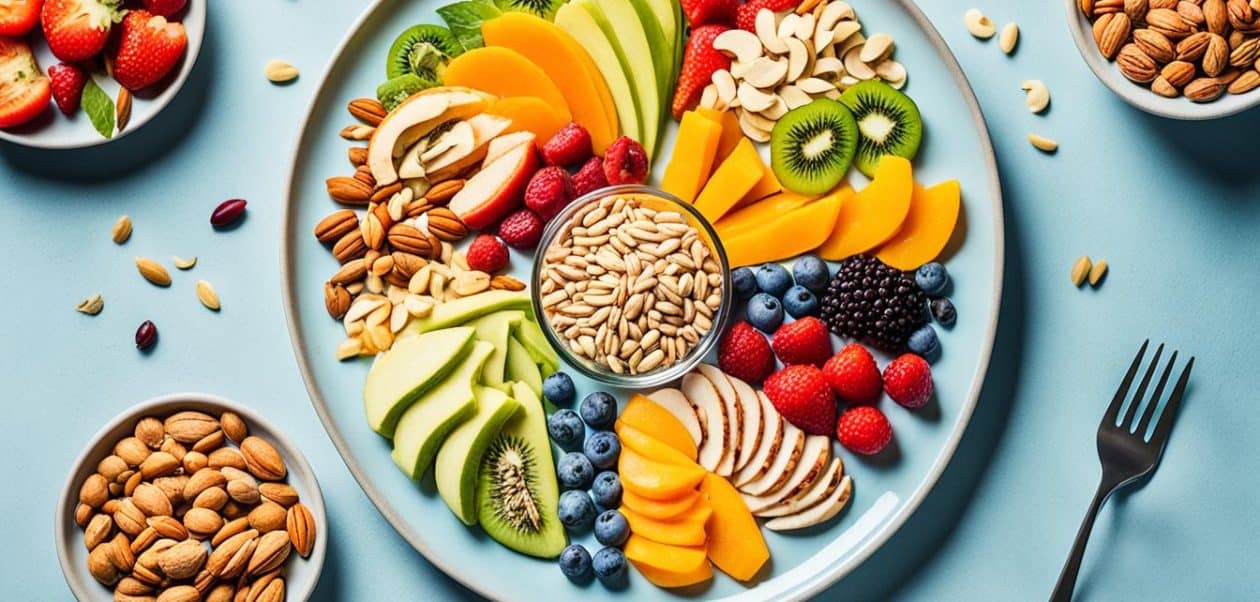
As I entered my golden years, I found both joy and challenges in the kitchen. Cooking was once a passion, but it became hard with age. Medication made food taste dull, and standing for long was tough. Feeling alone while eating made me lose interest in cooking nutritious meals.
But I knew I had to keep cooking for my health and taste buds. During a grocery trip, I found a simple solution: pre-cut veggies and canned items. These made cooking much easier.
The World Health Organization suggests seniors eat at least 1 1/2 cups of fruits and veggies daily. This made cooking healthy meals exciting again. Every dish I made showed me how food affects my health and energy.
Let’s explore how good food choices can make our lives better and bring back our love for cooking at any age.
Key Takeaways
- Older adults often face challenges in meal preparation due to medication effects and physical difficulties.
- Pre-cut vegetables and canned items can save time and make healthy cooking easier.
- A daily intake of at least 1 1/2 cups of fruits and vegetables is essential for seniors.
- A well-balanced diet can significantly lower the risk of chronic diseases like diabetes and cardiovascular illnesses.
- Including high-fiber foods and omega-3 fatty acids can support digestive health and cognitive function.
- Practical meal options, such as quiche and salmon, can be both delicious and nutritious.
- Incorporating more colorful, nutrient-dense foods into meals can enhance overall wellbeing.
Why Healthy Eating is Essential for Seniors
Healthy eating is key for seniors to stay well as they age. Good nutrition helps with physical health and boosts immunity. It’s not just about picking the right foods, but also about managing health and living a vibrant life.
Impact on Overall Health
As we get older, our bodies need different kinds of food. Eating right supports both our physical and mental health. A diet full of fruits, veggies, whole grains, lean proteins, and healthy fats keeps us going.
The USDA suggests eating a variety of foods to get all the nutrients we need. This means eating foods from different groups to make sure we get everything our bodies require.
Preventing Chronic Diseases
Eating well helps prevent diseases like heart disease, type 2 diabetes, and some cancers. Foods rich in vitamins and antioxidants lower the risk of these conditions. For example, eating more seafood and fruits and less dairy is good for seniors.
Snacking on Baby Carrots with Hummus or Celery with Peanut Butter is good for staying nourished. It helps avoid unhealthy snacks. Drinking enough water is also key, as older adults might not feel as thirsty as they used to.
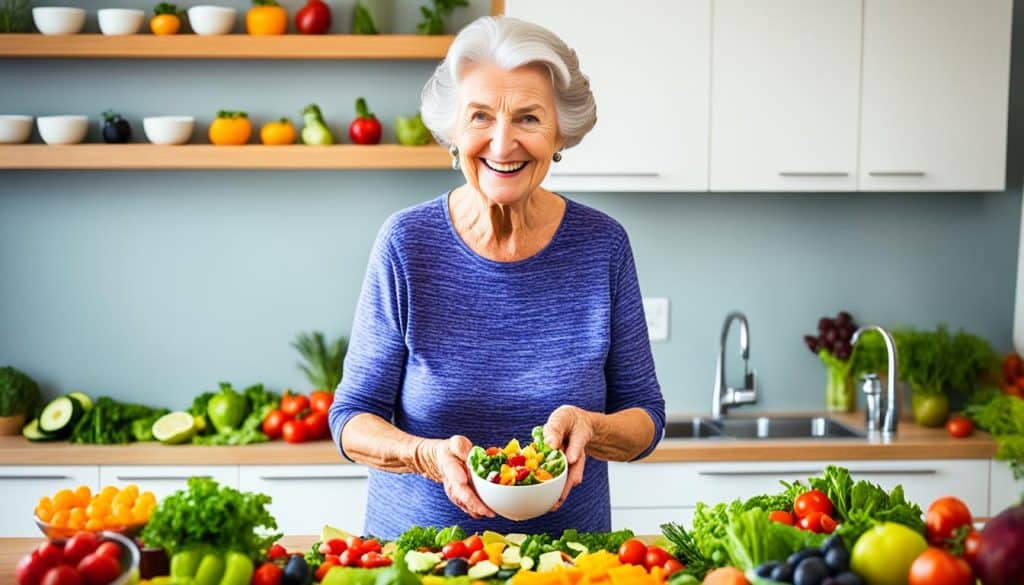
By choosing healthy foods and planning meals wisely, seniors can stay well and live a full life. This approach helps reduce health risks and supports overall wellness.
Healthy Eating for Seniors: Nutritional Needs and Considerations
As we age, our nutritional needs change. Understanding these changes helps me support my senior wellness. By focusing on key nutrients, I can make sure my meals are both nutritious and fit my health needs.
Key Nutritional Requirements
For seniors, a balanced diet is key. It’s important to get enough protein to keep muscle mass. Foods rich in potassium, calcium, vitamin D, fiber, and vitamin B12 are crucial for energy and bone health.
Eating a variety of foods from each group helps lower the risk of diseases like high blood pressure and diabetes.
| Nutrient | Importance | Food Sources |
|---|---|---|
| Protein | Supports muscle mass | Lean meats, fish, beans, eggs |
| Calcium | Strengthens bones | Milk, cheese, yogurt, leafy greens |
| Vitamin D | Enhances calcium absorption | Fortified dairy, fish, sunlight |
| Vitamin B12 | Crucial for energy metabolism | Dairy products, meat, fortified cereals |
| Potassium | Regulates blood pressure | Bananas, oranges, potatoes, beans |
The Importance of Hydration
Drinking enough water is crucial for my health. As we age, we might not feel as thirsty, so it’s easy to forget to drink water. I like to add fruits or herbs to my water for flavor.
This makes staying hydrated easier and helps keep my energy up all day. Other good drinks for me include unsweetened fruit juices, low-fat milk, and fortified soy beverages.
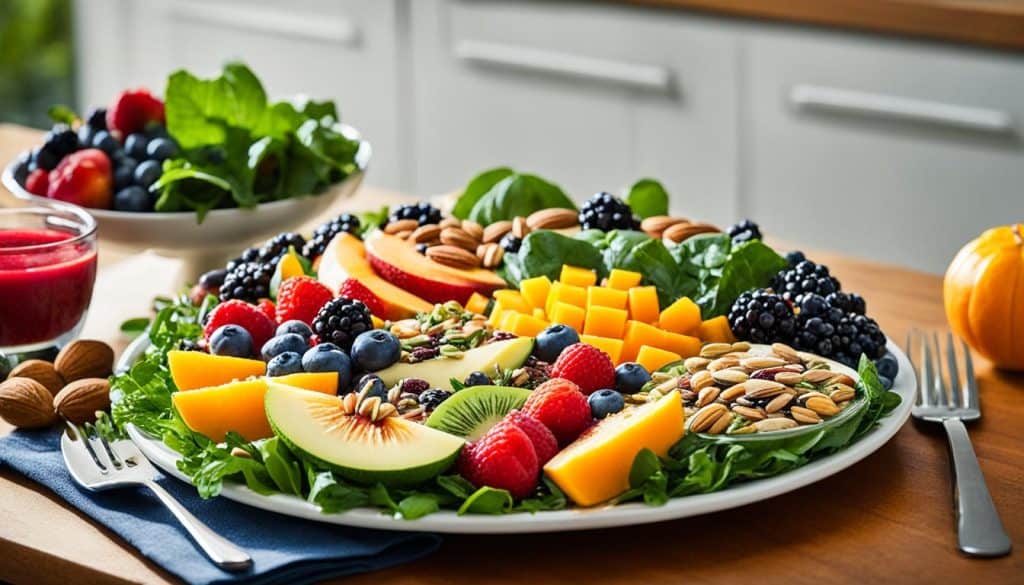
By focusing on these nutritional tips, I can enjoy a variety of nutritious meals. Using tools like MyPlate helps me follow a healthy lifestyle.
Easy Meal Planning Tips for Seniors
Meal planning is key for healthy eating for seniors. It helps me organize meals ahead, keeping my diet balanced and tasty. Here are some tips to keep meals enjoyable and nutritious.
Creating a Weekly Meal Plan
Having a weekly meal plan makes cooking easier. I aim for five fruits and veggies daily. Adding three whole grains and lean proteins makes meals rich in nutrients. This plan also stops me from choosing unhealthy foods.
Budget-Friendly Grocery Shopping
Smart shopping makes healthy eating for seniors more affordable. I make a list of whole foods to avoid impulse buys. Buying seasonally or choosing store brands saves money. Here’s what my list includes:
| Food Group | Examples | Approx. Cost |
|---|---|---|
| Fruits | Apples, Bananas, Oranges | $1 – $3 per lb |
| Vegetables | Spinach, Carrots, Bell Peppers | $1 – $2 per lb |
| Whole Grains | Brown Rice, Whole Wheat Bread | $2 – $4 each |
| Lean Protein | Chicken Breast, Lentils | $3 – $6 per lb |
| Dairy | Low-fat Yogurt, Skim Milk | $2 – $4 each |
Utilizing Pre-Cut Ingredients
Using pre-cut ingredients has changed the game for me. Many stores have bags of pre-cut veggies and fruits. This makes cooking quick and easy, reducing the need to chop. It also helps me make meals that focus on healthy eating for seniors. Don’t forget to add low-fat dairy and lean proteins to your meals for a balanced diet.

Nutritious and Delicious Meal Ideas
Adding nutritious meals to my daily meals boosts my health. For breakfast, I like oatmeal with fresh berries, yogurt parfaits with granola, or whole grain pancakes with fruit. These meals are tasty and follow healthy eating for seniors, giving me energy and important nutrients.
Sample Breakfast Recipes
At lunch, I go for colorful salads with veggies like bell peppers and leafy greens. I add lean proteins like grilled chicken or chickpeas. These salads are fun and full of nutrients, keeping me healthy. A drizzle of olive oil adds flavor and healthy fats, which is good for my heart.
Colorful Lunch Options
Dinner is simple yet fulfilling, like baked salmon with roasted veggies or a quinoa salad with herbs and spices. These recipes are easy to make and use fresh ingredients. They help me eat a balanced diet without spending too much time cooking. Choosing these nutrient-rich options helps me stay healthy and full of energy.
Simple Dinner Ideas


