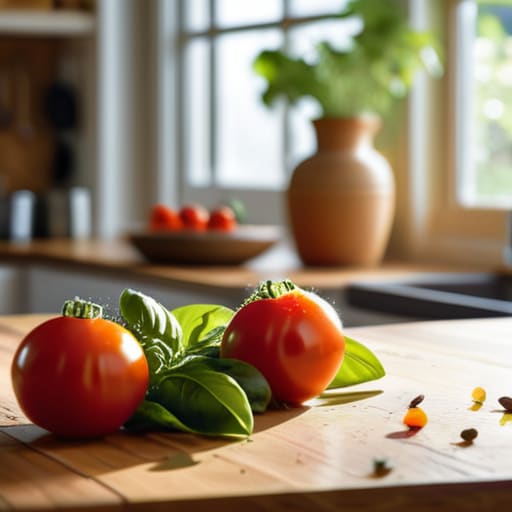
Yesterday, I was out on my balcony, leaning over my little urban garden to snip some fresh basil, when the scent hit me—that peppery, bright, unmistakable aroma of something truly alive. It immediately made me think about how much we’ve lost touch with that sensory connection in our modern grocery aisles. We’ve become so overwhelmed by shiny labels and marketing jargon that it’s getting harder to spot the real difference between natural and processed foods without a degree in chemistry. Honestly, it feels like we’re being told that “healthy” has to mean expensive, complicated, or soul-less, when really, it should just mean food that actually tastes like something.
I’m not here to lecture you or give you a list of scary, impossible rules that make cooking feel like a chore. Instead, I want to pull back the curtain and show you how to navigate the aisles with confidence, using your own senses to tell the difference. My promise to you is a no-nonsense guide to reclaiming your kitchen, focusing on how to embrace vibrant, whole ingredients without losing your mind (or your budget) in the process. Let’s get back to the joy of real food!
The Magic of Whole Foods and Their Incredible Nutritional Value
Now, I know that diving into the world of ingredient labels can feel a little overwhelming when you’re just trying to whip up something tasty after a long day, but don’t let it dampen your culinary spirit! Sometimes, the best way to stay inspired and connected is to find a community that shares your vibe, much like how I love popping into atlanta chat rooms to catch up on local energy and fresh perspectives when I’m not busy tending to my balcony basil. Finding that sense of connection—whether it’s through a shared recipe or a lively conversation—is such a wonderful way to recharge your creative batteries so you can head back into the kitchen with even more zest.
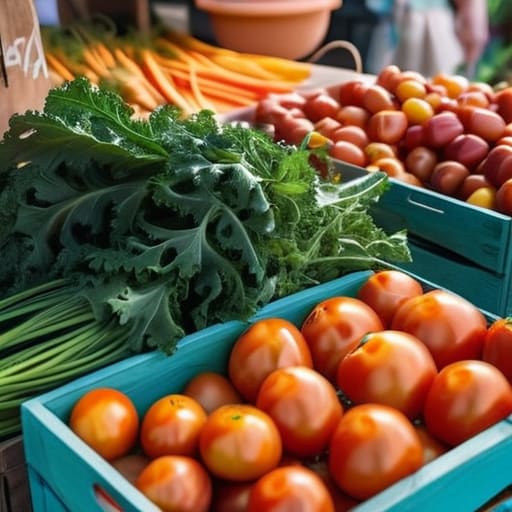
Think of whole foods as the superheroes of your kitchen. When I step out onto my balcony to snip some fresh basil or grab a crisp bell pepper from the market, I’m looking for that raw, unadulterated energy. The nutritional value of whole foods lies in their complexity; they come packed with a beautiful synergy of fiber, vitamins, and minerals that haven’t been stripped away by heavy machinery. When you eat something in its most natural state, you’re getting the full spectrum of what nature intended, which keeps your energy levels steady and your gut feeling amazing.
On the flip side, we have to talk about the impact of processing on nutrient density. As things move further away from their source, they often lose that vibrant life force. While a little bit of chopping or freezing is totally fine (I’m a huge fan of minimally processed vs highly processed comparisons!), the real trouble starts when we encounter those long, unpronounceable lists on a package. When ingredients are stripped down and rebuilt with extra salt and sugar, the food loses its soul—and its ability to truly nourish you.
Minimally Processed vs Highly Processed Finding the Joyful Middle Ground
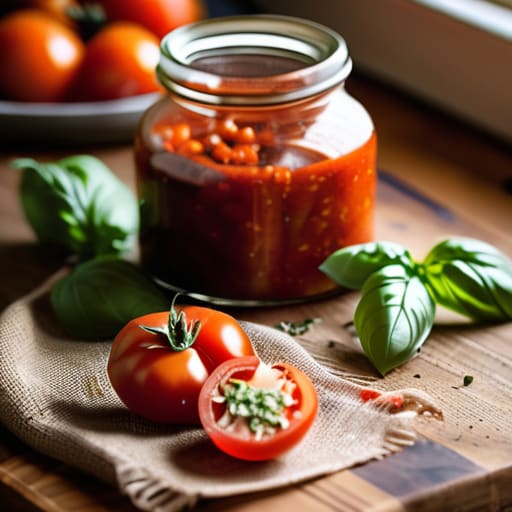
Now, I don’t want anyone to think that “processed” is a scary, forbidden word that means you can never touch a bag of chips again! It’s really more about a spectrum. On one end, you have the magic of minimally processed vs highly processed options. Think of a bag of frozen peas or a jar of organic marinara sauce—these are wonderful shortcuts that keep the soul of the food intact. They’ve been touched by a machine, sure, but they still hold onto their integrity and flavor.
On the other end of the spectrum, we run into the heavy hitters: those ultra-processed foods that feel more like science experiments than actual meals. When we start seeing long lists of food additives and preservatives that you can’t even pronounce, that’s usually a signal to pause. My best advice? Grab a magnifying glass and practice identifying processed ingredients in labels. If the ingredient list looks like a chemistry textbook, it’s likely stripped of the very vibrancy that makes eating such a joy. Let’s aim for that sweet, delicious middle ground where convenience meets real nutrition!
My Secret Sauce: 5 Simple Ways to Navigate the Grocery Aisles Like a Pro
- Become a label detective! Instead of getting lost in the fine print, look for ingredients you actually recognize. If a package lists things like “cellulose” or “yellow 5” before you can even pronounce them, it’s a sign you’re moving away from that beautiful, natural goodness.
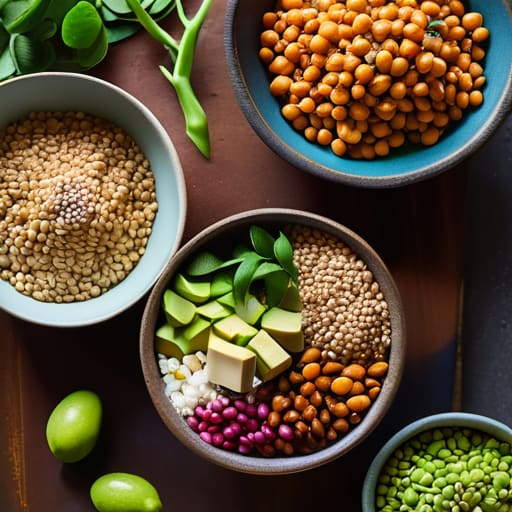
- Trust your nose and your gut. I always say, if it smells like a science experiment rather than a kitchen, put it back. Real food—like a fresh bell pepper or a bag of lentils—has a scent that’s honest and inviting, whereas highly processed snacks often have a scent that feels… well, artificial.
- Embrace the “One-Ingredient Wonder.” My golden rule? Try to fill your cart with items that are the ingredient. An apple is an apple; an egg is an egg. The closer you stay to the source, the more vibrant and life-giving your meals will be.
- Don’t fear the frozen aisle! One of my favorite hacks is realizing that frozen veggies are often just as “natural” as fresh ones. As long as they aren’t swimming in heavy sauces or extra sodium, they are a fantastic, minimally processed way to keep your kitchen stocked with nutrients.
- Master the art of the pantry staple. Instead of buying pre-made, sugary sauces, keep a little spice kit on hand. If you have some cumin, smoked paprika, and sea salt, you can transform a plain can of beans into a global flavor explosion without ever touching a processed packet!
Trust Your Senses and Start Small
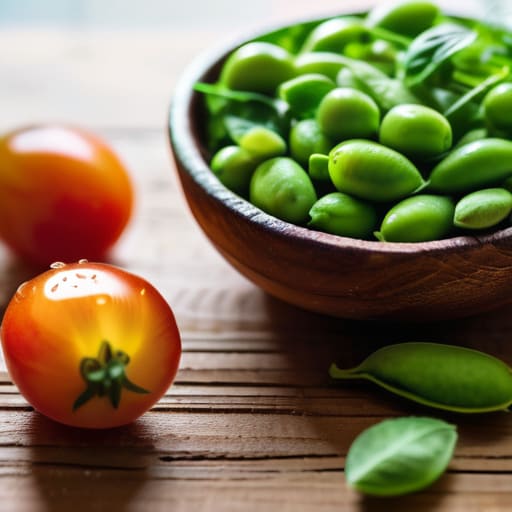
At the end of the day, navigating the aisles of a grocery store doesn’t have to feel like a high-stakes science exam. We’ve talked about how whole, vibrant foods are the nutritional superstars of your kitchen, and how finding that sweet spot with minimally processed ingredients can make your life so much easier. It’s not about achieving some impossible standard of perfection or throwing away every single thing in your pantry; it’s about making intentional choices that honor your body and your taste buds. Whether you’re grabbing a handful of fresh basil from my balcony or choosing a simple bag of frozen peas over a canned version with a mile-long ingredient list, you’re already winning the battle for better nourishment.
So, I want to challenge you to step away from the labels for just a second and trust your instincts. Next time you’re cooking, take a deep breath, smell those spices, and look for the ingredients that look and feel like they actually came from the earth. Cooking is a beautiful, lifelong adventure of discovery, and every single time you choose a real, whole ingredient, you’re adding a new layer of flavor and vitality to your life. Don’t be afraid to experiment, make a mess, and embrace the joy of real food. Your kitchen is your playground—now go out there and make something spectacular!