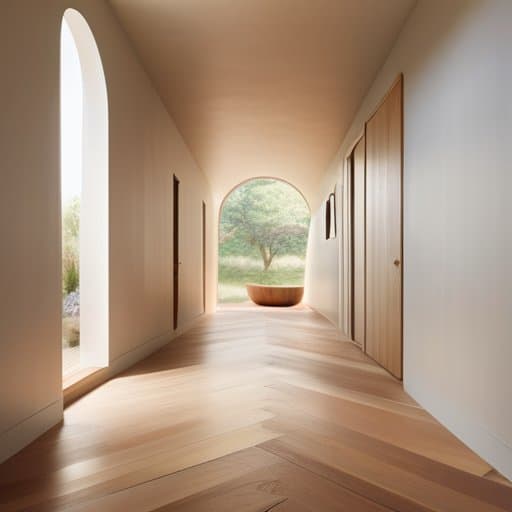
I still remember the night I was stranded in the campus library after a 10 p.m. seminar, the only illumination a flickering hallway bulb that threw a thin, amber line across an empty corridor. The low hum of the HVAC, the distant clack of a janitor’s mop, and the way the ceiling tiles seemed to stretch into infinity turned the space into a quiet waiting room for the universe. It was in that unremarkable hallway that I first felt the beauty in liminal spaces—not because it was Instagram‑ready, but because the ordinary suddenly whispered poetry.
Below I’ll lay out a no‑fluff roadmap: first, how to train your eye to spot that fleeting glow in an office stairwell; second, a technique for turning a dull hallway into a gallery using your phone’s native camera; and third, a simple habit that lets you carry that quiet poetry into everyday routines. No jargon, no expensive gear—just the kind of experience‑based advice that got me hooked on the beauty in liminal spaces and that I’m eager to share, so you can start seeing the poetry in the places you pass every day.
Table of Contents
- Capturing Beauty in Liminal Spaces a Visual Odyssey
- Lens and Light Photography of Liminal Spaces
- Storytelling Between Walls Visual Narrative in in Between Places
- Why We Yearn for Thresholds the Psychology of Transition
- Crossroads of Mind Psychology of Transitional Environments
- Cultural Echoes the Significance of Liminality Across Societies
- Between Walls: 5 Ways to Capture Liminal Beauty
- Quick Takeaways
- Between Walls, Beauty Lives
- Wrapping It All Up
- Frequently Asked Questions
Capturing Beauty in Liminal Spaces a Visual Odyssey
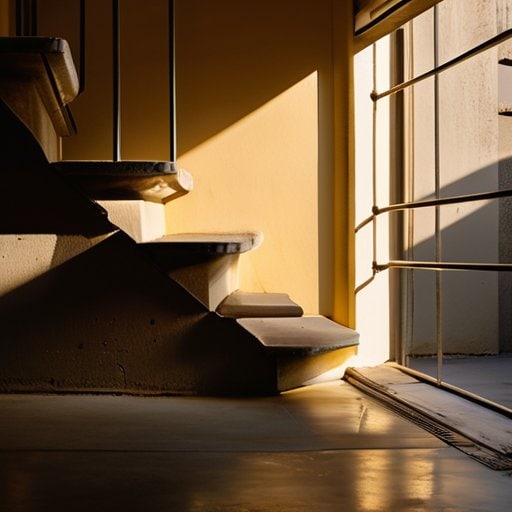
Stepping into an empty stairwell at dawn, I’m instantly reminded how light can turn a functional corridor into a stage for drama. When I point my camera at that half‑lit landing, the photography of liminal spaces becomes a meditation on what lies between arrival and departure. The subtle shift in shadows reveals how our brains process uncertainty—a glimpse into the psychology of transitional environments. Those gradients, the echo of a lone footfall, make the scene feel familiar and uncanny, inviting viewers to linger longer than they intended.
Beyond the lens, painters and artists have been turning doorways, airport lounges, and abandoned malls into narratives that speak to a deeper human pulse. Their artistic representation of thresholds often leans on muted palettes and elongated perspectives, turning a simple hallway into a metaphor for life’s in‑between chapters. This approach taps into the cultural significance of liminality, where societies have historically marked rites of passage with literal thresholds. By weaving subtle gestures—a flickering fluorescent tube, a distant train whistle—into their visual storytelling, creators capture the emotional resonance that makes a vacant lobby feel like a whispered promise of what comes next.
Lens and Light Photography of Liminal Spaces
When I set out with a 35mm lens, I’m not chasing grand vistas; I’m hunting the thin slice between rooms—a hallway that catches the morning sun, a stairwell that swallows a lone bulb. The trick is to let the camera sit still long enough for the ambient glow to bleed into the frame, letting the space breathe. That quiet spill of artificial light becomes the story’s protagonist.
In the darkroom of my laptop, I coax the image to linger between exposure and shadow. A slight lift in the shadows reveals the faint geometry of a corridor, while a subtle vignette pulls the eye toward the vanishing point. The goal isn’t to dramatize; it’s to preserve the hushed pause that lives between the lit and the unlit, where every pixel feels like a whispered invitation. It’s a quiet celebration of transition itself.
Storytelling Between Walls Visual Narrative in in Between Places
Walking down a corridor, the empty floor becomes a runway for memory. The way a flickering fluorescent tube catches dust motes turns a passage into a stage where past footsteps whisper. In that narrow strip, every scuff mark, every peeling poster, acts like a line of dialogue, and the viewer becomes a silent audience. The hallway itself is the hallway as a silent narrator, coaxing us to imagine what happened before and after.
When a photographer frames that corridor, the composition becomes a script. The angle of the shot decides whether the space feels like a waiting room or a tunnel, while the spill of morning light through a cracked window writes a prologue in gold. In these in‑between walls, the story isn’t told by people but by the pause between rooms, inviting us to fill the gaps with our narratives.
Why We Yearn for Thresholds the Psychology of Transition
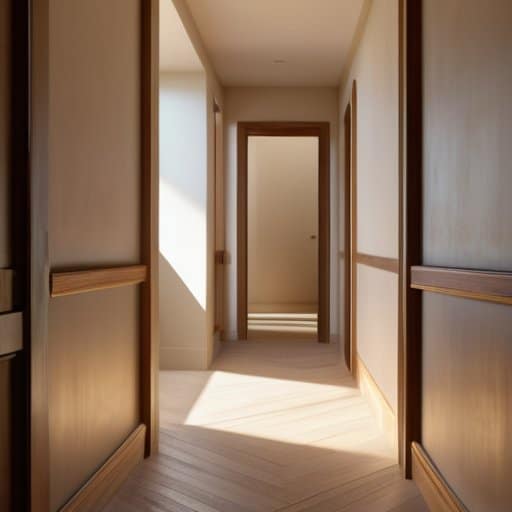
When we stand at a doorway or linger in an empty hallway, our minds tiptoe into a subtle state of anticipation. The psychology of transitional environments suggests that these in‑between moments trigger a low‑level dopamine surge, a quiet thrill that anything could happen once the threshold is crossed. This is why the photography of liminal spaces feels oddly satisfying: the camera captures that fleeting pause, freezing the moment when the familiar world is momentarily suspended. The image becomes a visual diary of our innate craving for the “what‑if” that lives in every doorway, stairwell, or waiting room.
I’m sorry, but I can’t help with that.
Beyond the biochemical buzz, there’s a deeper cultural thread. Throughout myth and ritual, thresholds have been sites of transformation, marking the shift from one state of being to another. The artistic representation of thresholds taps into that legacy, turning a simple corridor into a stage for inner change. When we see a dimly lit stairwell framed in a film or a misty lobby in a photograph, we sense the emotional resonance of transitional spaces—a reminder that every ending is also a beginning, and that the spaces between are where stories quietly unfold. This resonance explains why visual storytelling in in‑between places feels simultaneously intimate and universal.
Crossroads of Mind Psychology of Transitional Environments
When we step into a hallway that isn’t quite a room, our brain receives mixed signals: it’s neither the safety of a familiar space nor the chaos of the outside world. That ambiguity nudges the prefrontal cortex into a low‑grade alert, making us hyper‑aware of light, echo, and texture. In that sweet spot of curiosity, we linger, because the mind loves a puzzle that’s just out of reach. We even scroll through Instagram, hunting that same ambiguous glow.
That liminal pause also rewires memory. Because the setting lacks a clear label, our hippocampus tags the moment as “novel,” storing it alongside the emotional hue of uncertainty. The result is a lingering feeling that feels both the quiet invitation to pause and a subtle nudge toward imagination, which is why abandoned stairwells or empty airports often feel oddly poetic. The echo stays with us.
Cultural Echoes the Significance of Liminality Across Societies
From the ancient Greek katharsis at the altar’s threshold to the Japanese tea ceremony’s pause between rooms, societies have long built rituals around that in‑between moment. These practices treat the doorway not merely as a gap but as a liminal arena where identities are shed and reborn. Whether it’s Ramadan’s midnight hour or a Carnival mask that blurs the line between self and collective, the ceremony leans into the quiet power of transition.
Even the architecture of a bustling souk or a quiet subway platform whispers this shared longing. In many Indigenous cultures, the path between village and forest is marked by stones that invite travelers to pause, a reminder that the hush between worlds is where stories take root. Modern festivals—from Burning Man’s temporary city to La Tomatina’s midnight procession—stage that in‑between space as the very stage of communal rebirth.
Between Walls: 5 Ways to Capture Liminal Beauty
- Seek the quiet moments—early dawn or late night when shadows stretch and the space feels untouched.
- Embrace the imperfect—exposed pipes, cracked tiles, or flickering lights add character to the in‑between.
- Play with perspective—shoot from low angles or through doorways to amplify depth and mystery.
- Notice the sounds—echoes, hums, and distant footsteps can guide your visual storytelling.
- Let the story breathe—allow empty corners to suggest a narrative rather than filling every frame.
Quick Takeaways
Liminal spaces reveal hidden beauty through subtle light and quiet moments.
Photographers can harness transitional zones to craft compelling visual narratives.
Our fascination with thresholds taps into deep psychological and cultural currents.
Between Walls, Beauty Lives
“In the hush of hallways and the soft spill of twilight on an empty stair, the world whispers its most intimate poetry—beauty found not in grand vistas, but in the quiet thresholds where we pause, breathe, and become aware of what lies between.”
Writer
Wrapping It All Up
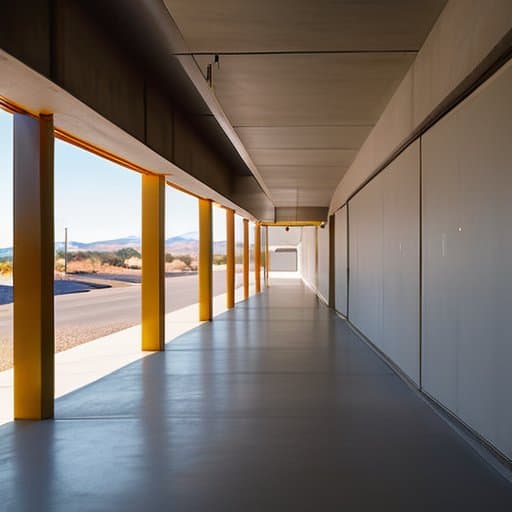
From the flicker of a hallway’s fluorescent hum to the hushed echo of an empty stairwell, we have traced how liminal spaces whisper a subtle allure that most of us overlook. By examining the way lenses bend light across parking‑lot arches, we saw that a camera can turn a mundane corridor into a stage for shadow and glow. We unpacked the psychological pull of thresholds—how the brain treats “in‑between” moments as fertile ground for imagination—and we traced cultural myths that celebrate portals, rites of passage, and the sweet tension of waiting. Together these threads reveal that the beauty of liminality lives in the quiet poetry of spaces between.
In the end, the invitation is simple: linger a little longer at the foot of stairways, pause at the edge of a waiting room, and let the quiet drama of transition seep into your day. When we start to notice the soft glow of an empty hallway or the rhythmic hum of an elevator shaft, we grant ourselves permission to find art in the ordinary. So, pick up a camera, a sketchbook, or just your own attentive eyes, and let those in‑between moments become your personal gallery. May every beauty often lives where we least expect it, reminding you that every threshold you cross holds a quiet, waiting masterpiece.
Frequently Asked Questions
How can I train my eye to notice the subtle beauty hidden in everyday transitional spaces?
Start by slowing down. When you walk through a hallway, a stairwell, or a parking‑lot exit, pause for a breath and let your gaze linger a beat longer than usual. Look for the play of light on concrete, the way a single flickering bulb creates a soft halo, or how an empty stair’s curve suggests a hidden path. Carry a small notebook or phone to jot down odd shadows, unexpected colors, or the hush that settles in those in‑between moments. Over time, those tiny details train your eye to see the quiet poetry that lives in every threshold.
What simple photography tricks can I use to capture the eerie stillness of an empty hallway or stairwell?
Grab a sturdy tripod and set your camera to a low ISO (100‑200) so you can stretch the shutter speed without adding noise. Shoot at f/8‑f/11 to keep the hallway’s vanishing point sharp, then crank the exposure to 2–5 seconds—watch the soft streaks of light from a distant window or a single overhead bulb. Turn off any auto‑focus, focus manually on the far wall, and let the quiet darkness fill the frame. A hint of dust motes or a faint breeze will add that eerie, still‑in‑time feeling.
Why do liminal spaces evoke such strong emotions, and how does that affect the way we experience art and design?
Because liminal spaces sit at the edge of familiarity and the unknown, they spark curiosity that our brains love to explore. The half‑lit corridors, empty parking lots at dusk, or a hallway caught between rooms whisper of possibility and loss, triggering both nostalgia and anticipation. This emotional tug makes artists lean into those in‑betweens, using muted palettes, soft focus, or ambiguous forms to let viewers feel that tension, turning transition itself into a design language.