Every time I step into my kitchen, I remember the small victories of mastering culinary techniques. The first time I chopped vegetables with a chef’s knife was a big win. It turned cooking from a chore to an art.
I learned more than just how to cut. I explored different cooking methods that made simple ingredients taste amazing. Skills like boiling and roasting can really make a difference in flavor and texture.
Culinary techniques are key to making great meals, just like managing my budget or taking care of my garden. They help both new and experienced cooks. These basic skills grow your confidence and become second nature over time.
Cooking is like any other skill that needs practice and a desire to learn. Let’s dive into the essential skills and tips for making every meal perfect. Join me on this journey to improve your cooking.
Key Takeaways
- Culinary techniques are essential for creating perfect dishes.
- Mastering basic cooking methods enhances enjoyment and efficiency in the kitchen.
- Practicing foundational skills builds confidence in cooking.
- Invest in good kitchen tools, such as high-quality knife sets.
- Understanding various cooking methods can lead to delicious outcomes.
Understanding Cooking Methods for Delicious Results
Exploring different cooking methods shows me how each has its own charm and result. Boiling is a basic yet versatile technique.
Types of Boiling
Boiling comes in three main types: rolling, slow, and simmering. Each type is best for certain foods. A rolling boil is great for pasta or hard-boiled eggs. Simmering is perfect for tenderizing beans or braising meats.
Knowing these methods helps me cook better and get the best results.
Steaming and Poaching Basics
Steaming and poaching are gentle ways to cook that keep nutrients and flavors in. Steaming cooks food over boiling water. Poaching dips food in simmering liquid. Both are great for healthy meals with less fat.
Benefits of Different Cooking Methods
Trying out various cooking methods has opened new doors in the kitchen. Boiling is great for pasta and making stocks. Steaming and poaching keep delicate flavors and nutrients intact. Each method has its own perks, helping me make tasty and healthy dishes.
Culinary Techniques: The Importance of Knife Skills
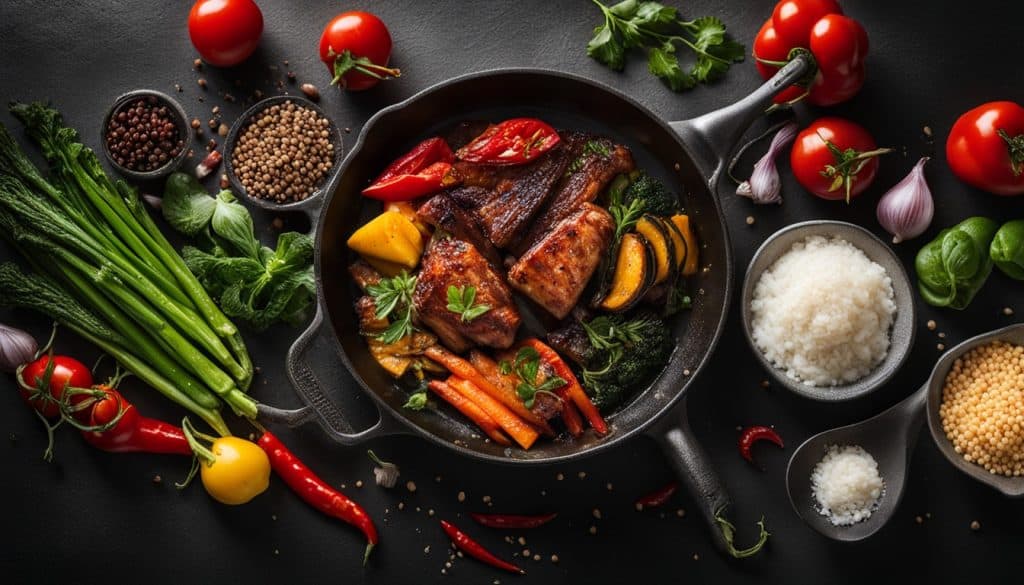
In the culinary world, learning to use a knife well is key for cooks at home and in restaurants. It makes cooking faster and improves the taste and look of food. Knowing how to chop things like onions right can change your cooking for the better.
Basic Knife Skills Every Cook Should Master
Every cook should learn basic knife skills to work better in the kitchen. Skills like chopping, dicing, and mincing are crucial. For those cooking at home, these skills save time and make food look better.
Having good knife skills also means you can prepare food faster. And, it helps make your dishes look nice. A good kitchen knife, 8 to 10 inches long, is great for many tasks.
Techniques for Efficient Cutting
Using different knives can really improve how you cut food. A paring knife is good for peeling and trimming, and a serrated knife is best for cutting bread. A utility knife is versatile and good for many kitchen tasks.
Learning advanced techniques like chiffonade or butterflying lets you be more creative in the kitchen. Better knife skills mean you can make beautiful garnishes and designs.
Safety Tips for Handling Knives
Always keep safety in mind when using knives. Sharp knives are safer than dull ones, as they are less likely to cause accidents. Knowing where to put your fingers when cutting helps prevent injuries.
Always cut on a clean, stable surface to avoid slipping. Good knife habits make you more confident in the kitchen. This lets you try new cuts and ingredients safely.
The Art of Seasoning: How to Enhance Flavors
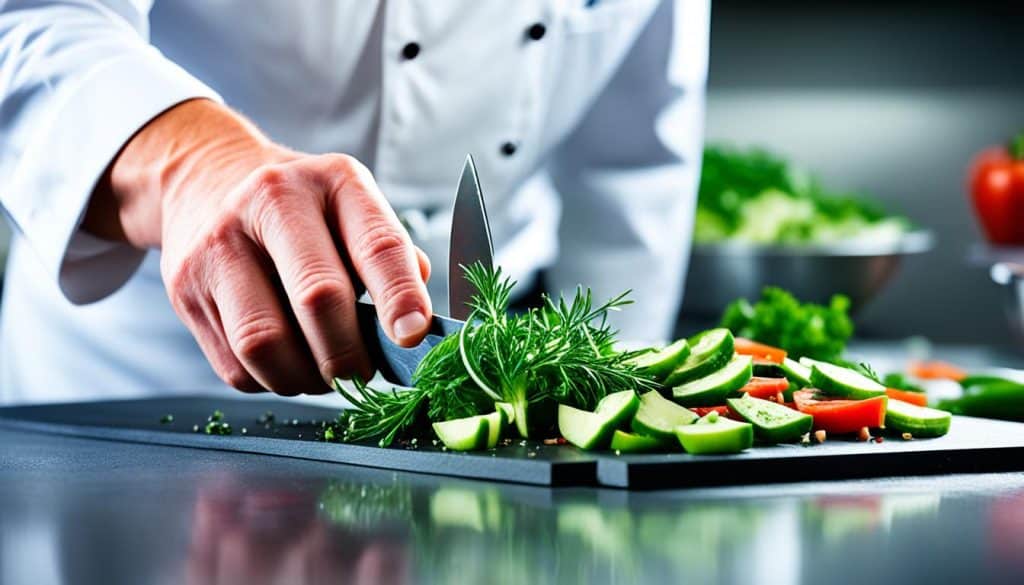
Understanding seasoning is key to making a dish great. The right salting techniques can make every bite burst with flavor. With many types of salt to choose from, I love experimenting to find the best mix for my dishes.
Salting Techniques for Maximum Flavor
Salting at different times can change how your dish tastes. I add salt early for slow-cooked meals to build flavor layers. For quick-cooked dishes, I add salt later to keep the flavors fresh.
Kosher salt is great for brining, while flaky salt adds texture and flavor bursts. These techniques help me create amazing dishes.
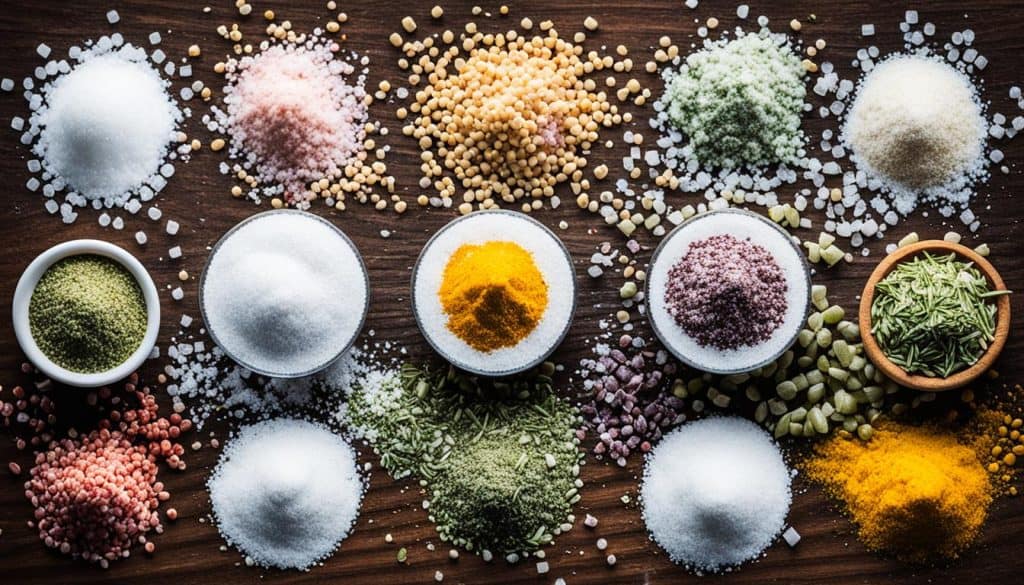
Understanding Different Types of Salt
There are many salts, each with its own taste. Himalayan black salt adds a unique sulphurous flavor to scrambled tofu. Truffle salt brings an aromatic, earthy taste that elevates dishes.
Larger salt crystals give a strong, lasting taste. Fine salt adds a subtle flavor. These differences matter when seasoning.
Black pepper is another favorite seasoning, known for its complex flavor. I use whole peppercorns for the best flavor and control. White pepper is milder, adding earthy taste without overpowering the dish.
When seasoning, I taste and adjust as I go. This ensures my dishes stay balanced and full of flavor.
Creating Savory Dishes with Roasting and Searing
Starting with roasting vegetables and searing meats opens up a world of flavor. These techniques are key for making dishes that taste great. Roasting gives a sweet caramelization that brings out natural flavors. Searing adds a satisfying crust that keeps the meat juicy. Learning these methods can make any meal better.
How to Perfectly Roast Vegetables
Roasting turns vegetables into tender, flavorful treats. First, preheat the oven to 375°F to 425°F. Wash and cut the vegetables into equal sizes for even cooking. Season them well with salt, pepper, and maybe garlic or herbs.
Drizzle olive oil on them before roasting to help with caramelization. This makes the vegetables roast beautifully and taste amazing.
Searing: Tips for a Great Crust
Searing creates a tasty crust on meats. Start with a hot pan, like CRISTEL, which is great for even heat. Dry the meat with paper towels to help it sear well without steaming.
Make sure the skillet is hot until it shines. Don’t put too many pieces in the pan at once. This lets each piece get enough heat. Searing not only caramelizes the meat but also adds layers of flavor.
Mastering Sauces and Vinaigrettes for Flavor Boosting
Learning to make sauces and vinaigrettes is key to making any dish shine. The right sauce can transform a simple meal into something special. I enjoy making a basic pan sauce, which uses the tasty bits left in the pan after cooking.
This method involves deglazing the pan with wine or broth. Then, I add shallots, butter, and herbs to create a sauce full of depth and richness.
Building a Basic Pan Sauce
To make a basic pan sauce, I remove the cooked protein and keep the fond. Next, I deglaze the pan with wine or broth, scraping up all the tasty bits. Letting the liquid reduce makes it more flavorful.
Adding butter at the end gives it a silky texture. A dash of herbs or mustard adds more flavor. This shows how sauces can greatly enhance the taste of my meals.
Vinaigrette Fundamentals and Ratios
Vinaigrettes are also crucial in my kitchen. The classic 3:1 oil-to-vinegar ratio is a good starting point for a balanced dressing. This ratio lets me adjust the taste to my liking and use what I have on hand.
I enjoy trying out different oils and vinegars to enhance my salads and vegetables. Making vinaigrettes helps me highlight the freshness of ingredients and get that perfect flavor balance.
Essential Kitchen Skills for Every Home Chef
Learning key kitchen skills makes cooking more fun and boosts my confidence. Keeping my kitchen tidy helps me stay focused and creative. It’s important to pick the best ingredients for new flavors and textures in my meals.
Every mistake in the kitchen teaches me something new. Trying out different cooking techniques helps me get better, whether it’s making perfect veggies or a tasty vinaigrette. Sharing my cooking with others brings joy and connects us through food.
Improving these kitchen skills makes cooking better and more fun. The joy of turning simple ingredients into delicious meals is what drives me. It’s how I aim to become a better cook.