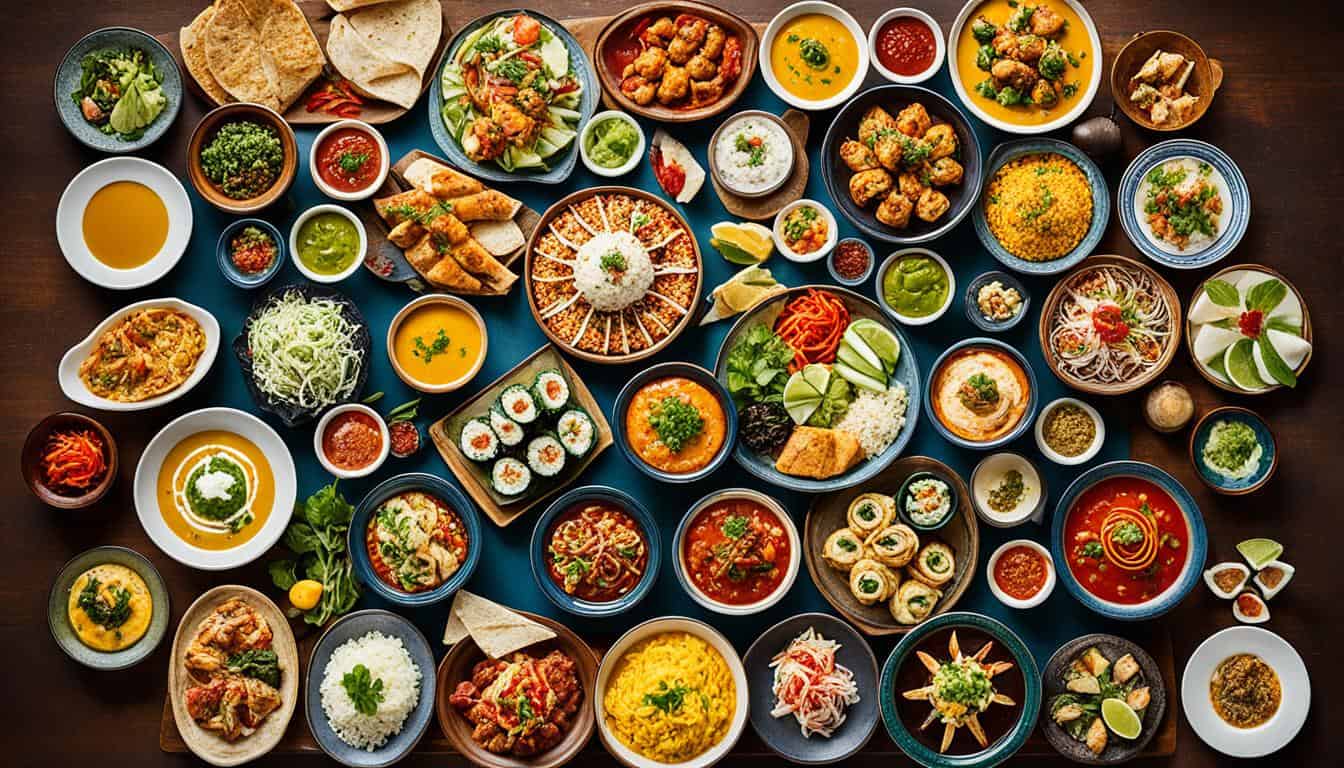
As a child, I remember standing on a stool in my grandmother’s kitchen. The air was filled with the rich aroma of simmering spices. Each stir of the pot felt like connecting to something bigger than just the meal.
It was a tapestry woven with stories of my ancestors. Their traditions showed our family’s cultural identity. What I realized that day was profound; every dish we shared carried our history. Our food and identity were intertwined in ways that went beyond the dinner table.
This exploration of culinary traditions goes beyond just ingredients and recipes. It’s a deep look at who we are. As cultures blend and evolve, our relationship with food shapes our identities. It resonates in global flavors that challenge our views on cultural cuisine.
Food heritage is a living thing. It lets us connect with our roots while adapting to today. Through this article, we’ll dive into the deeper meaning of food. We’ll see how it shapes not just our personal lives but also our culture.
Whether it’s family gatherings around old recipes or how globalization changes local dishes, food is a powerful way to express our values and traditions. It connects us to each other.
Key Takeaways
- Food reflects our cultural identity, blending personal and historical stories.
- Culinary traditions evolve over time, staying alive through generations.
- Globalization brings diverse food options, enhancing inclusivity and cultural exchange.
- Rituals involving food strengthen community ties through shared experiences.
- Many factors, from geography to family traditions, influence our food choices.
- Understanding food helps us appreciate different cultural backgrounds and values.
Understanding Cultural Identity Through Culinary Traditions
Culinary traditions are key to showing who we are. They include how we prepare, present, and share food in our communities. These traditions tell us about our likes, values, and beliefs. They show us who we are and where we come from.
Food has been important in societies for thousands of years. It helps connect people and can bring us together or drive us apart. In culinary traditions, sharing meals is often a way to celebrate with others.
In a city like Vancouver, we see how global influences change our food culture. We get to try many different culinary traditions, which makes our community more diverse. Every dish has its own story, and sharing these stories helps us connect with each other.
Learning about food’s cultural importance is vital. Programs that teach us about different food traditions help us value them. This learning builds respect for various histories and helps us make friends over meals. Through these experiences, I’ve learned that food is a powerful way to share and connect cultures.
Food and Identity: The Interplay of Cuisine and Personal History
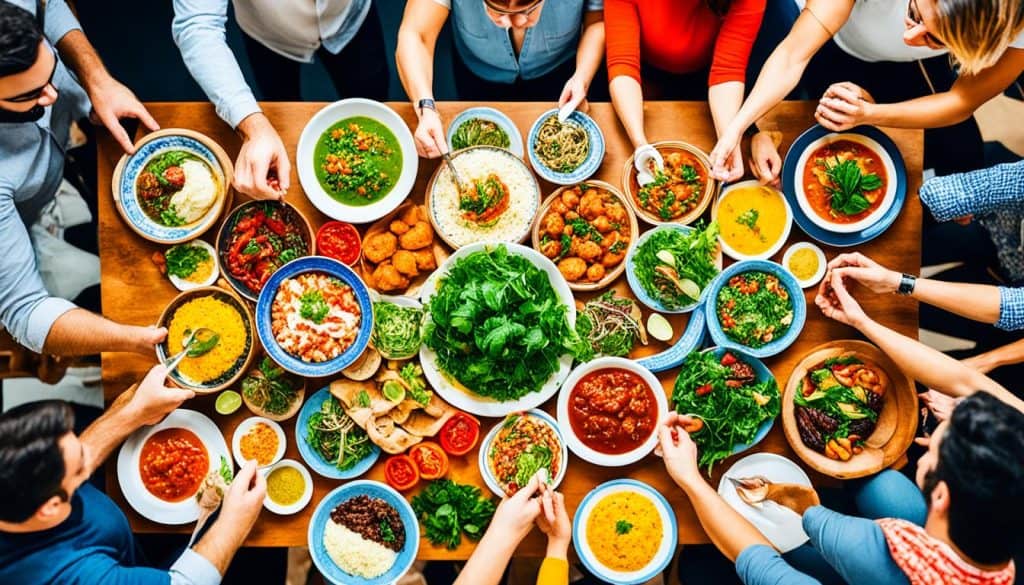
Food is a key way we share our personal stories and cultural roots. It connects us to our past and shapes who we are. Family meals weave together traditions that link us to our loved ones and communities.
Family recipes are at the heart of this connection. They carry stories and memories across generations. These recipes tell us about our heritage and the people who came before us.
The Role of Family Recipes in Preserving Cultural Heritage
Family recipes are more than just lists of ingredients. They are a bridge to our cultural past and a link to our families. Recipes from grandparents can bring back memories of happy times and important events.
They remind us of where we come from and make us feel part of something bigger. Keeping these recipes alive is crucial for preserving our food identity.
Culinary Customs as a Reflection of Social Values
Cooking traditions also reflect the values of our communities. They show how we view gender roles, social order, and community. Some dishes are for special events, while others are for daily meals.
My own family’s cooking has changed over time. Yet, it still holds onto traditional tastes and methods. This shows how food adapts but keeps us connected to our heritage.
The Influence of Globalization on Cultural Cuisine
Globalization has changed how we enjoy food, bringing flavors from around the world to our plates. This has given us a chance to try foods we might not have known before. Now, I get to enjoy meals from different cultures, which has made me appreciate food more.
How Access to Diverse Food Options Promotes Inclusivity
Trying foods from many cultures brings people together. In New York, for example, 85% of Japanese restaurants are owned by people who aren’t Japanese. This mix of cultures through food makes us think about what makes food authentic. It shows how food can connect us, offering a unique taste of the world.
Global Flavors Transforming Local Food Culture
Global flavors are changing what we eat at home, creating new dishes that mix different cooking styles. Mexican food is loved worldwide, but it can change when it reaches new places. I’ve noticed I’m more familiar with foods like hamburgers and pizza, even in Japan, where kids prefer them over traditional dishes.
This shift shows how globalization and marketing are making foreign foods popular. As these trends grow, they’re changing traditional dishes and making food more exciting. This change is making our food culture more dynamic and interesting.
Exploring Food Heritage and Its Impact on Society
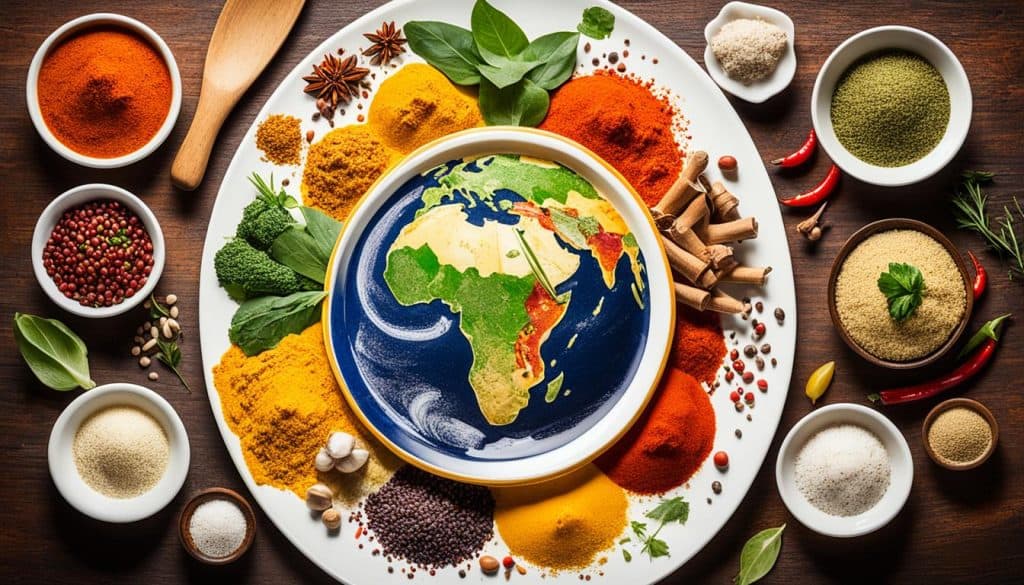
Food heritage connects us to our ancestors, sharing stories and traditions. Traditional dishes carry deep meaning, linking families and communities. They let us taste our ancestry in every bite.
How Traditional Dishes Connect Us to Ancestry
Helping with traditional dishes ties me to my roots. Each recipe tells a story of my family’s history. Cooking these dishes for my family shares a part of my heritage, strengthening our bond.
This act brings pride and identity, reminding us of our heritage. It shows who we are and where we come from.
Food as a Medium for Cultural Exchange and Understanding
Food is a key way to share cultures, bringing people together. Every meal is a chance to explore new tastes and traditions. Trying new foods broadens my world and builds understanding.
This exchange helps us value diversity, making our communities richer.
The Language of Food: Expressions of Cultural Attitudes
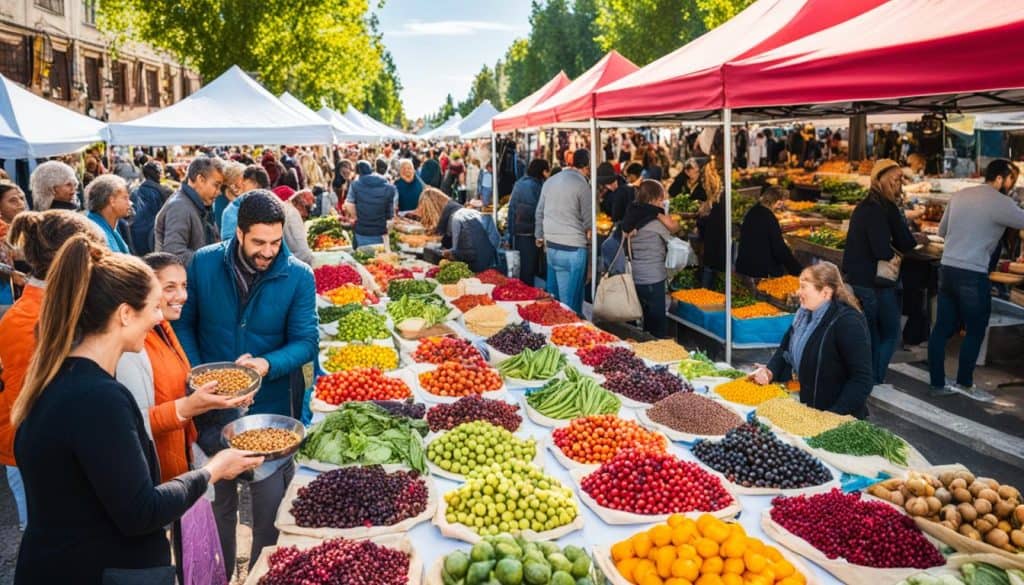
How we talk about food says a lot about our culture. When I think about food vocabulary, I see how different cultures value certain ingredients and dishes. For example, Italian cuisine’s detailed terms for pasta show a deep respect for cooking.
Food language goes beyond just describing what we eat. It shows our social values and norms. In Atlantic Canada, lobster means different things to tourists and locals. It can be seen as luxury or a sign of hard work and tradition.
Culinary events and food festivals bring different cultures together. They show the importance of celebrating our differences through food. Talking with chefs and artisans deepens our understanding of food and traditions.
Food packaging shapes how we see ourselves and others, highlighting cultural differences. Joining local food movements lets me explore traditional cuisines and their authenticity. The conversations around food are complex, showing more than just recipes.
The Role of Education in Appreciating Food Diversity
Education is key to understanding and valuing food diversity and its cultural importance. Through educational programming, people can dive into the rich culinary traditions from around the world. This helps build a deeper connection with diverse food cultures, allowing for sharing of personal food stories and practices.
The FoodMaster Initiative shows how food can teach basic research skills in STEM fields. It started with 25 students and grew to 92 in five years, showing more people are linking food with learning. The number of students from underrepresented groups jumped from 68% to 92%, highlighting the program’s success.
The workshop boosted students’ confidence in pursuing STEM degrees. At the start, 56% felt somewhat or very confident. By the end, 96% did, showing how support can change academic success.
Adding food culture to school helps students gain life skills and make better health and environmental choices. It teaches them about nutrition during important life stages like childhood and teens. Schools play a big role in teaching healthy eating habits and preparing students for different food environments.
Learning about food diversity not only connects with culture but also improves taste and curiosity about food. Students gain a deeper understanding of identity and community. This helps them grow personally and contribute to society.
Conclusion: Celebrating Food as a Bridge to Identity and Culture
Food is more than just something we eat; it connects us to our identities and cultures. Through my exploration of different foods, I’ve seen how food and identity are deeply linked. Each dish shares stories of heritage, family, and shared experiences, helping us understand each other better.
Today, many people in the U.S. are first or second-generation Americans. This shows the diverse culinary connections that make us who we are. These connections are important for building cultural understanding in our changing world.
Looking to the future, new generations will shape our food culture. Immigrant communities will be key in setting new cultural norms. But, we must also address food insecurity, which can stop people from enjoying and keeping their traditional foods.
Yet, celebrating our diverse foods helps us honor our past and create spaces where everyone can succeed. Through food, we learn about each other’s lives and cultures. Let’s keep seeing food as a way to connect, explore our identities, and build understanding across cultures.