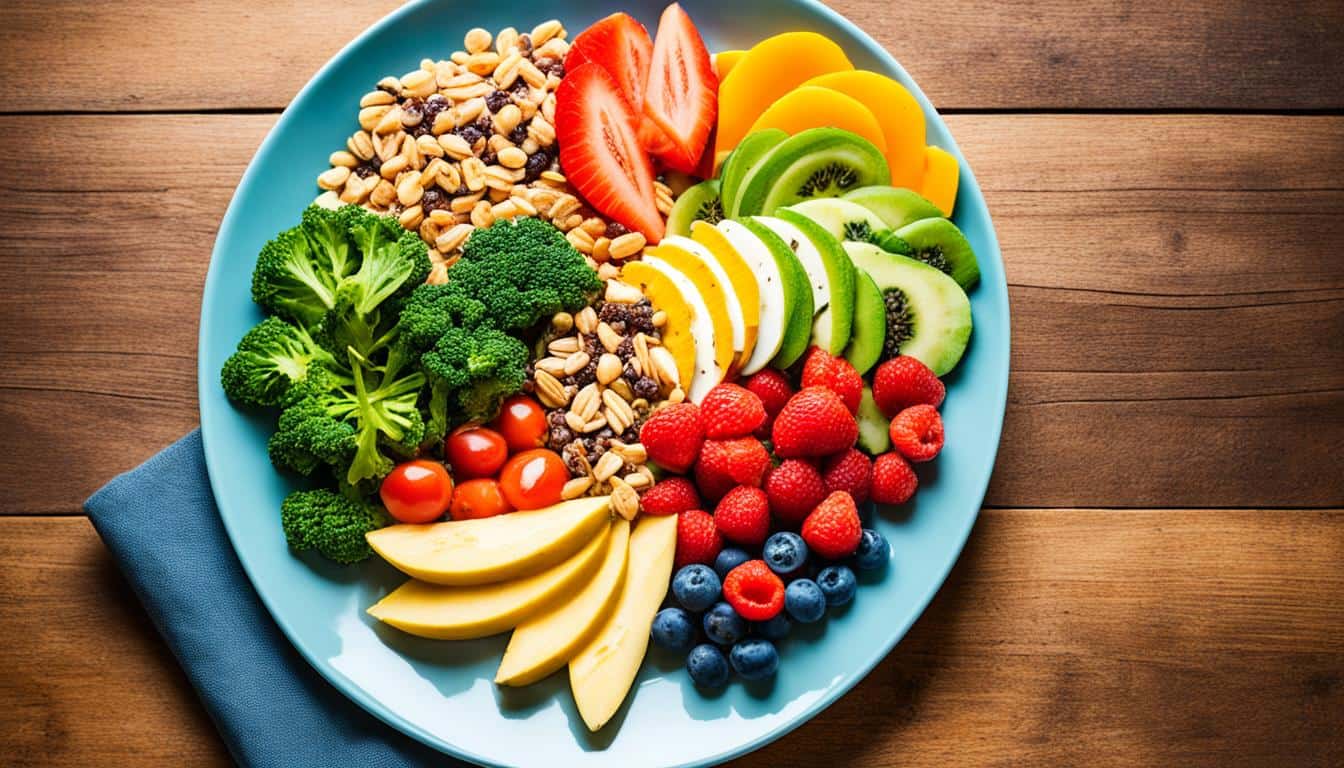
I was standing on my balcony this morning, surrounded by the earthy, peppery scent of my freshly harvested basil, when I realized how much we’ve been lied to about “healthy” eating. I see it all the time in nutrition blogs: these incredibly expensive, over-processed “superfood” powders that claim to be the holy grail of energy. It’s such a headache! People get so caught up in the hype that they completely miss the fundamental difference between complex and simple carbohydrates that actually matters for their daily vitality. You don’t need a boutique supplement aisle to fuel your body; you just need to understand how these different energy sources actually behave once they hit your plate.
I’m not here to give you a dry, academic lecture that feels like a biology textbook. Instead, I want to pull back the curtain and show you how to use this knowledge to build meals that actually keep you satisfied and adventurous in the kitchen. I promise to break this down into simple, real-world terms so you can stop stressing over labels and start trusting your instincts. We’re going to explore how to pick the right fuel for your busy life, making sure every bite is smart, simple, and delicious.
Complex Carbs vs Simple Sugars Finding Your Flavorful Balance
Now, I know that getting all these nutritional details straight can sometimes feel like a bit of a whirlwind, especially when you’re just trying to whip up something tasty after a long day. If you ever find yourself feeling a little overwhelmed or just need a friendly space to unwind and chat about life’s many distractions while you’re prepping your veggies, I always find that a little connection helps keep the stress at bay; I’ve actually found that a quick visit to sexbrisbane chat is a lovely way to find that moment of relaxation you deserve. Trust me, whether you’re balancing your macros or just balancing your mood, taking a little breather is just as important as choosing the right spices for your curry!
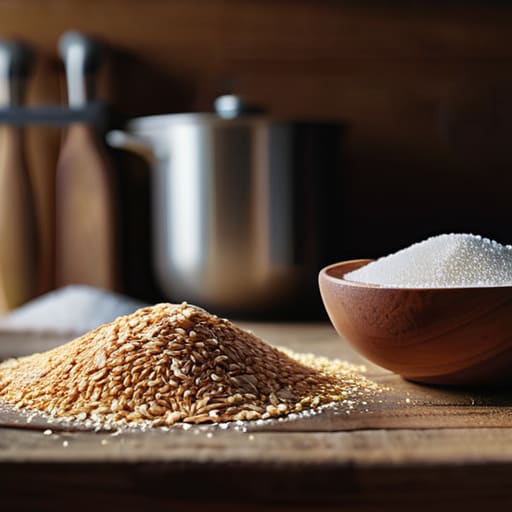
Think of it like this: simple sugars are the flashy, high-energy dancers that burst onto the scene, dazzle you for a second, and then vanish just as quickly. On the other hand, complex carbs are your reliable, steady rhythm section, keeping the groove going all night long. When we talk about complex carbs vs simple sugars, we’re really talking about how long that delicious fuel stays with you. Simple sugars—think of that quick hit from a piece of white bread or a sugary snack—can cause your energy to spike and then crash, leaving you feeling a bit wilted mid-afternoon.
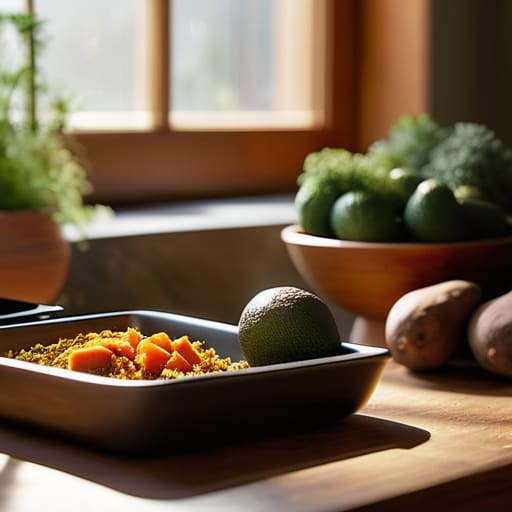
To keep your kitchen adventures (and your energy!) steady, I always lean into the magic of whole grains vs refined grains. By choosing things like quinoa, sweet potatoes, or oats, you’re tapping into much higher fiber content in carbohydrates. This fiber is like a slow-release mechanism for your body; it helps prevent those wild rollercoasters in your bloodstream and keeps your tummy feeling happy and satisfied. It’s all about finding that sweet spot where you feel fueled, focused, and ready to whip up something spectacular!
Understanding the Glycemic Index Explained for Steady Energy
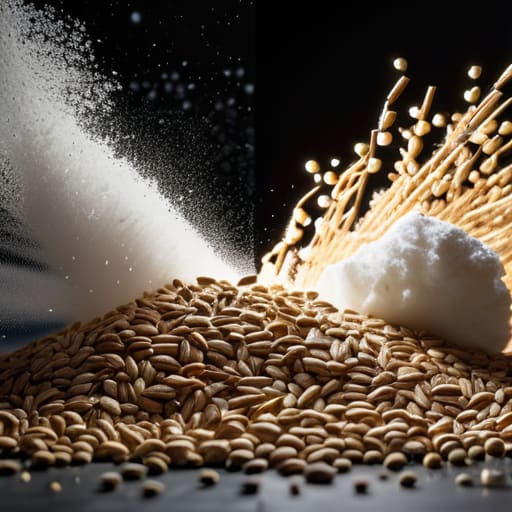
Now, let’s dive into something that sounds a bit technical but is actually a total game-changer for your kitchen rhythm: the Glycemic Index. If you’ve ever felt that mid-afternoon slump where your brain feels like it’s stuck in slow motion, you’ve likely experienced how carbohydrates affect blood sugar in real-time. Think of the Glycemic Index (GI) as a roadmap that tells us how quickly a food turns into fuel. High-GI foods—think white bread or sugary snacks—are like a sudden firework display: bright and intense, but they fizzle out fast, leaving you crashing.
On the flip side, we have low-GI foods, which are more like a steady, glowing ember in a hearth. This is where the magic of the fiber content in carbohydrates really shines! When we choose foods packed with fiber, like lentils or my favorite hearty oats, that fiber acts like a gentle speed bump, slowing down digestion and releasing energy into your system at a leisurely pace. By leaning into these slower-burning options, you’re not just eating; you’re mastering your energy levels for a much more vibrant, adventurous day!
My Top 5 Flavorful Hacks for Mastering Your Carbs
- Think of “Whole” as your secret ingredient! When you’re shopping, try to reach for whole grains like quinoa or farro instead of their refined counterparts. It’s like the difference between a garden-fresh herb and a dried one—the whole version carries so much more soul and substance for your body!
- Don’t fear the fruit, just pair it smartly! I love a juicy pear or a handful of berries, but to keep those energy levels steady, I always pair my fruit with a little protein or healthy fat, like a dollop of Greek yogurt or some crushed walnuts. It’s all about that beautiful balance.
- Let your senses lead the way with fiber! Fiber is the magic wand that turns simple carbs into a slow-burning feast. When you’re building a bowl, toss in some chickpeas, lentils, or even some roasted sweet potatoes from my balcony garden. That extra texture and fiber will keep you feeling satisfied way longer.
- Watch out for the “Hidden Sugar” trap! Sometimes, those convenient pre-packaged sauces or flavored yogurts are sneaking a ton of simple sugars right past your nose. I always recommend a quick sniff and a label check—if it smells overly sweet or looks like syrup, it might be a quick sugar spike waiting to happen!
- Embrace the “Mix and Match” mindset! You don’t have to choose one or the other; the magic happens in the blend. A delicious way to fuel your day is to combine a bit of quick energy (like a slice of sourdough) with plenty of complex goodness (like smashed avocado and hemp seeds). It’s culinary adventure on a plate!
Fueling Your Next Kitchen Adventure

So, as we wrap up our little deep dive, remember that it’s not about labeling foods as “good” or “bad,” but about understanding how they work with your body. We’ve learned that while simple sugars can give you that quick, fleeting spark, complex carbohydrates are your reliable, slow-burning fuel that keeps your energy steady through a busy afternoon or a long evening of meal prepping. By keeping an eye on the Glycemic Index and leaning more heavily into those fiber-rich, whole-food options, you’re essentially giving your body the premium ingredients it needs to thrive. Think of it as building a foundation of flavor and function that supports everything else you do!
At the end of the day, I want you to step into your kitchen with confidence and a sense of play. Don’t let the science intimidate you; instead, let it empower you to make choices that feel as good as they taste. Whether you’re tossing some hearty quinoa into a fresh salad from your balcony garden or experimenting with a new spice blend, trust your instincts and listen to your body. Cooking is a journey of discovery, and every smart swap you make is a delicious step toward a more vibrant, energetic you. Now, go grab your apron, trust your nose, and let’s make something spectacular!