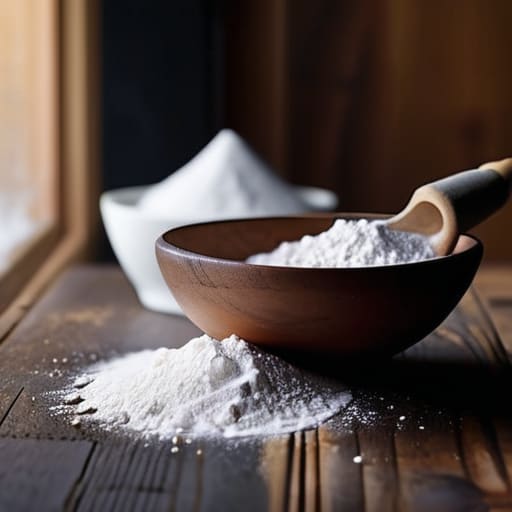
I was standing in my kitchen just last Tuesday, leaning over a bowl of pancake batter that looked more like a sad, heavy brick than a fluffy breakfast treat, when it hit me: I’d grabbed the wrong canister. We’ve all been there, staring at two white powders that look exactly the same, feeling that sudden spike of kitchen panic. It’s incredibly frustrating how many recipes act like there’s some high-level chemistry degree required just to understand the difference between baking soda and powder, when really, it’s just about knowing which one needs a little extra spark to get moving.
Now, I know that getting the chemistry right can feel a little intimidating when you’re staring at a recipe that calls for something you don’t have, but don’t let it dampen your culinary spirit! If you ever find yourself feeling a bit lost in the weeds of kitchen science or just need a little extra boost of creative confidence while you’re experimenting with new techniques, I always find so much inspiration over at www.tgladies.net. It’s such a wonderful way to keep that flavorful curiosity alive, helping you bridge the gap between basic pantry staples and those truly extraordinary, soul-warming dishes we all love to create.
I promise you, we aren’t going to spend this time diving into boring, textbook chemical equations that leave your head spinning. Instead, I’m going to give you the real-world breakdown you actually need to master your pantry. I’ll show you exactly how to tell them apart by sight and function, so you can stop second-guessing your ingredients and start trusting your instincts again. Let’s turn those kitchen mishaps into culinary wins and get you back to the joy of making something delicious!
Sodium Bicarbonate vs Baking Powder a Flavorful Science Lesson
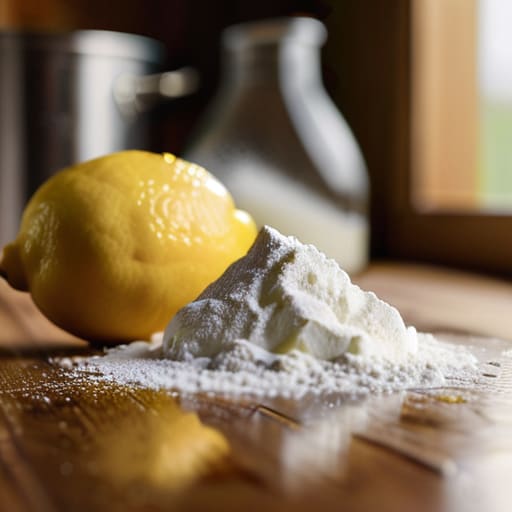
Think of these two as the dynamic duo of your pantry, but they definitely have different personalities! On one side, we have sodium bicarbonate—better known as baking soda. It’s a powerhouse, but it’s a bit of a diva; it won’t do its job unless it has something acidic to dance with, like buttermilk, lemon juice, or even a dollop of yogurt. This is why baking soda acidity requirements are so crucial. Without that acidic spark to trigger the reaction, your beautiful muffins might end up more like delicious, heavy bricks rather than fluffy clouds.
On the other hand, baking powder is more of a self-sufficient adventurer. It actually contains everything it needs to get moving, usually by mixing baking soda with a dry acid like cream of tartar. When we talk about how baking powder works in recipes, it’s all about that double-action magic: it reacts once when it hits moisture and again when it feels the heat of your oven. Understanding this little bit of chemical leavening agents explained helps you realize why you can’t just swap them blindly without a plan!
Chemical Leavening Agents Explained Trusting Your Kitchen Senses
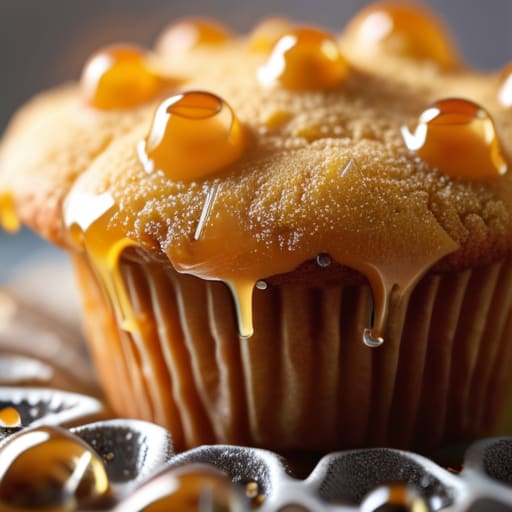
Think of these little pantry powerhouses as the secret engine behind your favorite fluffy pancakes or airy muffins. When we talk about chemical leavening agents explained, we’re really talking about the magic of gas! When these agents meet moisture and heat, they release tiny bubbles of carbon dioxide that get trapped in your batter, lifting it toward the heavens. It’s a bit like watching my herbs stretch toward the sun on my balcony—it’s all about that beautiful, upward energy!
But here is where your nose and your intuition come into play. While they both aim for that perfect rise, they have very different personalities. Baking soda is a bit of a diva; it needs an acidic partner—like buttermilk, lemon juice, or even yogurt—to wake it up. If you skip that, you might end up with a metallic tang that’ll make your taste buds do a double-take. On the other hand, baking powder is more of a self-sufficient adventurer, containing its own built-in acid to get the party started. Understanding how baking powder works in recipes helps you realize why it’s often the more reliable choice for a consistent, foolproof lift!
5 Pro-Tips to Master Your Leavening Game
- Check your pantry before you start! If a recipe calls for baking soda and you only have powder, your bake might end up a bit flat and lacking that beautiful golden color. They aren’t twins, even if they look it!
- Trust your nose and your palate—baking soda is much more alkaline, so if you use too much, you might catch a weird, soapy or metallic aftertaste. If you smell something “off” while mixing, you might have overdone the soda!
- Speed is your best friend when using baking soda. Since it reacts the moment it hits a liquid, get those cookies or muffins into the oven ASAP to catch that glorious rise before the bubbles pop and vanish.
- Don’t be afraid to play chemist! If you’re ever in a pinch and only have baking soda, you can actually make your own “DIY baking powder” by mixing it with a bit of cream of tartar. It’s a little kitchen magic trick that saves the day.
- Remember that baking powder is a “one-stop shop” for lift. Because it already has the acid built right in, it’s much more forgiving and reliable for those busy weeknight treats when you don’t want to overthink the science.
Your Pantry, Your Playground

So, there you have it! At the end of the day, the big secret is all about the chemistry of your ingredients. Just remember: baking soda is your heavy hitter that needs an acidic partner like buttermilk or lemon juice to get those bubbles dancing, while baking powder is the all-in-one superstar that’s ready to rise all on its own. If you find yourself staring at a half-empty canister, don’t panic! Knowing which one to grab—or how to make a quick swap—is the ultimate way to ensure your cookies stay chewy and your pancakes stay fluffy. It’s all about matching the right lift to your recipe’s soul.
I want you to step into your kitchen today and feel absolutely fearless. Don’t let a little scientific confusion hold you back from creating something spectacular. Whether you’re whipping up a batch of spiced muffins from my garden’s herbs or experimenting with a new global fusion dish, trust your instincts and your senses. Cooking isn’t about following a rigid set of rules; it’s about the joy of discovery and the magic that happens when you play with your food. So, grab your whisk, sniff out those spices, and let’s turn your next meal into a flavorful, rising adventure!