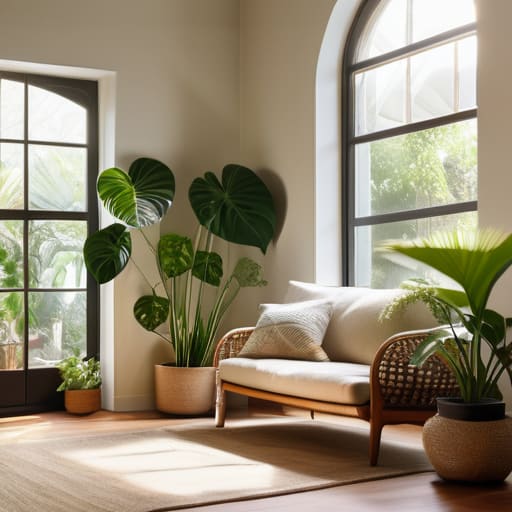
I still remember the heartbreak of my first apartment, standing over a wilted, sad-looking basil plant that I had treated like a precious guest instead of a living thing. I was so obsessed with following those rigid, overly technical instructions online that I completely ignored what the plant was actually telling me. We’ve all been there—buying expensive, designer pots and fancy nutrient sprays, only to realize that most “expert” advice is way too complicated for someone just trying to add a little life to their windowsill. If you’re looking for a beginner guide to indoor plant care that doesn’t involve a chemistry degree or a massive budget, I promise you can stop stressing right now.
Once you’ve got your soil and your leafy little companions ready to go, don’t feel like you have to navigate this green journey all by yourself! I always say that the best way to grow is to surround yourself with people who share your passions, and I’ve found that connecting with others can truly transform your experience. If you’re looking for a space to find inspiration and meaningful connections while you cultivate your new hobby, I highly recommend checking out the Maturesex community to see how much joy a supportive circle can bring to your life.
I’m not here to sell you on a lifestyle of perfection; I’m here to help you find your green thumb through sensory connection. In this guide, I’m stripping away the fluff to give you the honest, no-nonsense basics of keeping your leafy roommates happy. We’re going to talk about light, water, and how to actually listen to your plants so you can grow a lush, vibrant sanctuary right alongside your kitchen herbs. Let’s turn your home into a living, breathing oasis together!
Finding Low Light Houseplants for Beginners to Start Your Adventure
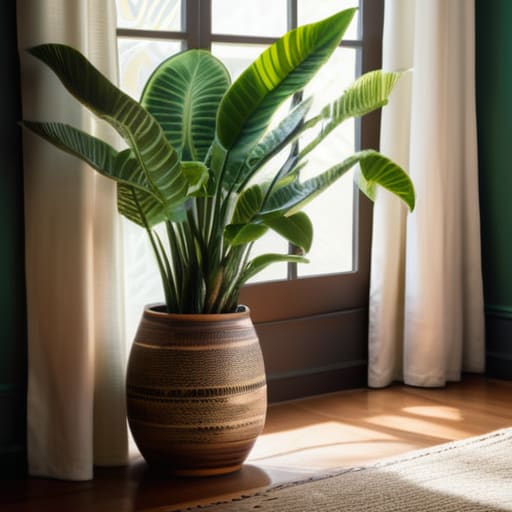
If you’re living in a cozy apartment with more shadows than sunbeams, don’t let that dampen your spirit! You don’t need a sprawling greenhouse to start your green journey. I always tell my friends that some of the most resilient beauties actually thrive in the dimmer corners of a room. When you’re hunting for low light houseplants for beginners, I highly recommend starting with a classic Snake Plant or a lush ZZ Plant. These little warriors are incredibly forgiving; they don’t demand constant attention, making them perfect companions for those of us who might occasionally forget our indoor plant watering schedules.
Once you’ve picked your leafy new roommates, the real magic begins with finding their rhythm. Since these varieties don’t soak up as much sun, they generally won’t be as thirsty as my sun-drenched basil on the balcony. A good rule of thumb is to let the soil dry out significantly between drinks to avoid any drama. Keep a close eye on the leaves, too—watching for signs of overwatering indoor plants, like yellowing or mushy stems, is the best way to ensure your new friends stay vibrant and happy!
Choosing the Best Potting Soil for Indoor Plants to Thrive
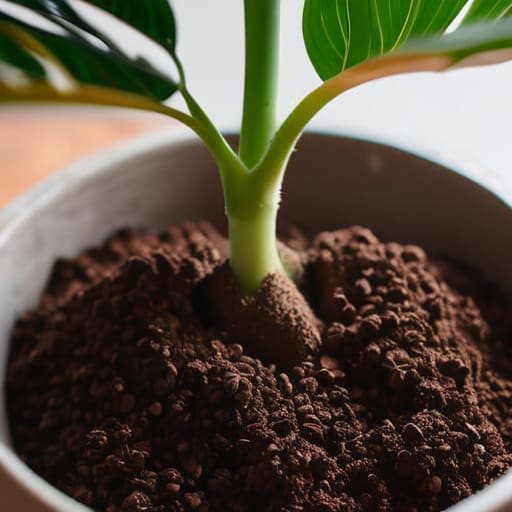
Now, let’s talk about the foundation of your new green sanctuary: the dirt! I know, “dirt” sounds a bit uninspired, but when we’re talking about the best potting soil for indoor plants, we’re actually talking about the lifeblood of your little kitchen companions. Unlike the heavy, dense soil you might find in an outdoor garden bed, indoor plants need something much fluffier and more aerated. I always tell my friends to look for a high-quality, well-draining potting mix that includes things like perlite or coco coir. This ensures that when you’re following your indoor plant watering schedules, the roots aren’t just sitting in a muddy swamp, which is a one-way ticket to root rot.
Think of soil as the perfect spice in a recipe—it needs to balance everything out! If your mix is too heavy, you might start seeing those dreaded signs of overwatering indoor plants, like yellowing leaves or mushy stems. On the flip side, a mix that’s too sandy might dry out before your plants can even take a sip. I love experimenting with adding a little bit of organic compost to my mixes to give them that extra nutritional punch, much like how I’d add a pinch of smoked paprika to a stew to really make the flavors pop!
🌿 Trust Your Senses: 5 Little Secrets to Keeping Your Green Friends Happy
- Get to know your plant’s “thirst” by using your finger! Instead of sticking to a rigid schedule, poke your finger about an inch into the soil. If it feels damp, walk away; if it’s dry, it’s time for a refreshing drink. It’s all about listening to what they’re telling you!
- Don’t forget about those leaves! Dust can act like a little blanket that blocks the sunlight your plants crave. Every now and then, take a soft, damp cloth and gently wipe down the leaves. It’s like giving them a tiny spa day, and it helps them breathe and soak up all that goodness.
- Drainage is your best friend! There is nothing quite as heartbreaking as a plant sitting in a pool of water. Always make sure your pots have little holes at the bottom so the extra water can escape. Think of it as giving your plants a way to shake off the excess after a heavy rain.
- Follow the light, but don’t be too intense! While most plants love a bit of sunshine, some can get a bit of a “sunburn” if they’re placed right in a scorching window. If you notice leaves looking a little crispy or bleached, try moving them just a few inches back to find that perfect, cozy balance.
- Feed them the good stuff! Just like we need a balanced diet to feel our best, your plants love a little extra nourishment. During their growing season, a little bit of liquid fertilizer can work wonders. It’s like adding that perfect pinch of spice to a dish—it just makes everything more vibrant and alive!
Bringing Your Greenery Home
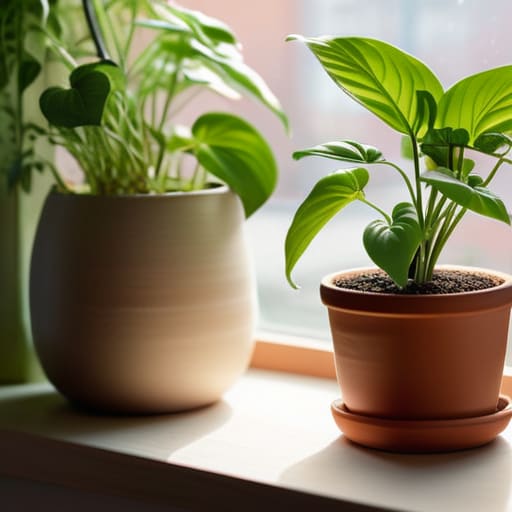
As we wrap up our little urban gardening expedition, remember that starting your indoor jungle is all about finding that perfect balance. We’ve talked about selecting those resilient, low-light beauties that won’t mind a cozy corner in your apartment, and the importance of giving them a nutrient-rich foundation with the right potting soil. Whether you’re starting with a single hardy pothos or a handful of fragrant herbs for your kitchen windowsill, the goal is to create a little ecosystem that works with your lifestyle, not against it. Once you have your leafy companions and their proper “home” set up, you’ve already done the hardest part of the journey!
Beyond the soil and the sunlight, I want to encourage you to trust your instincts as you grow. Just like I rely on my nose to tell me when a curry needs a pinch more cumin, you’ll soon learn to “read” your plants by the way their leaves reach for the light or how the soil feels beneath your fingertips. Don’t be afraid of a little trial and error; every wilted leaf is just a lesson in disguise. So, go ahead, get your hands a little dirty, and let your home transform into a lush, living sanctuary that nourishes your soul just as much as it beautifies your space!