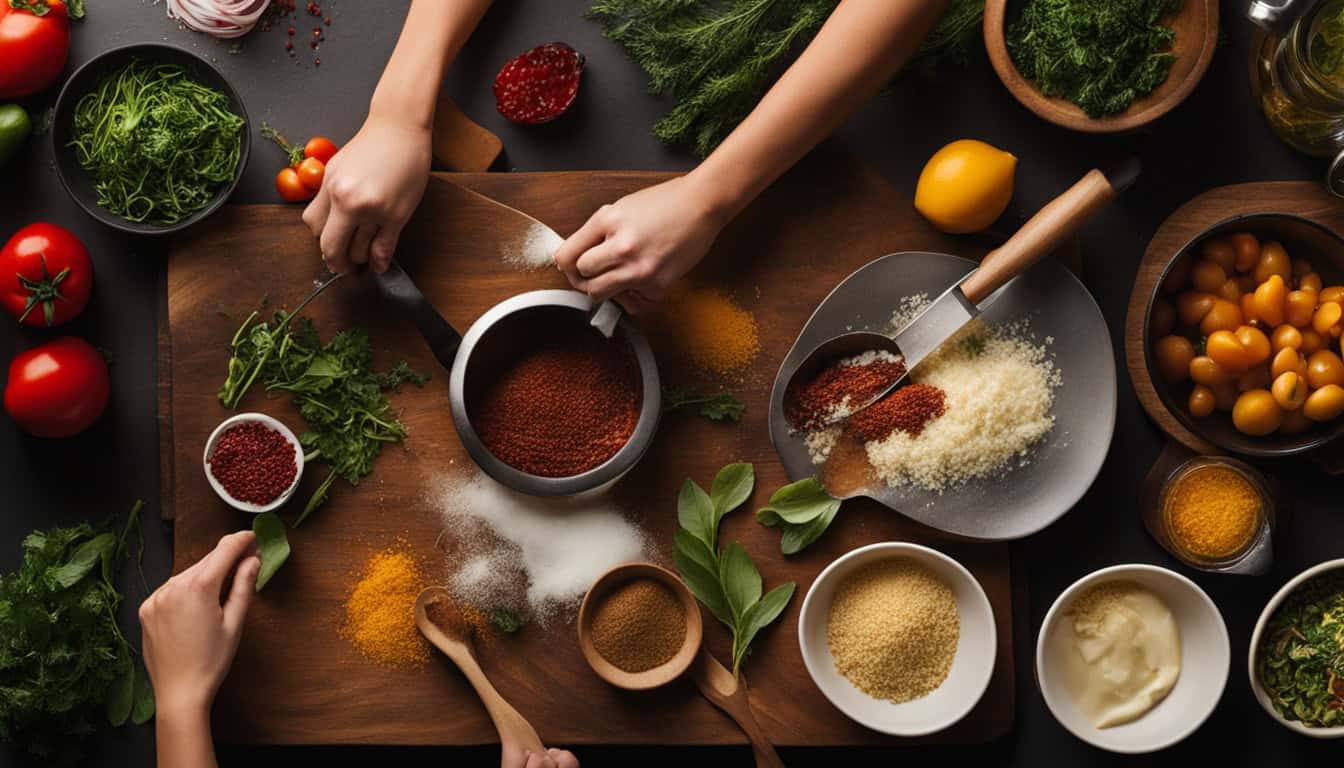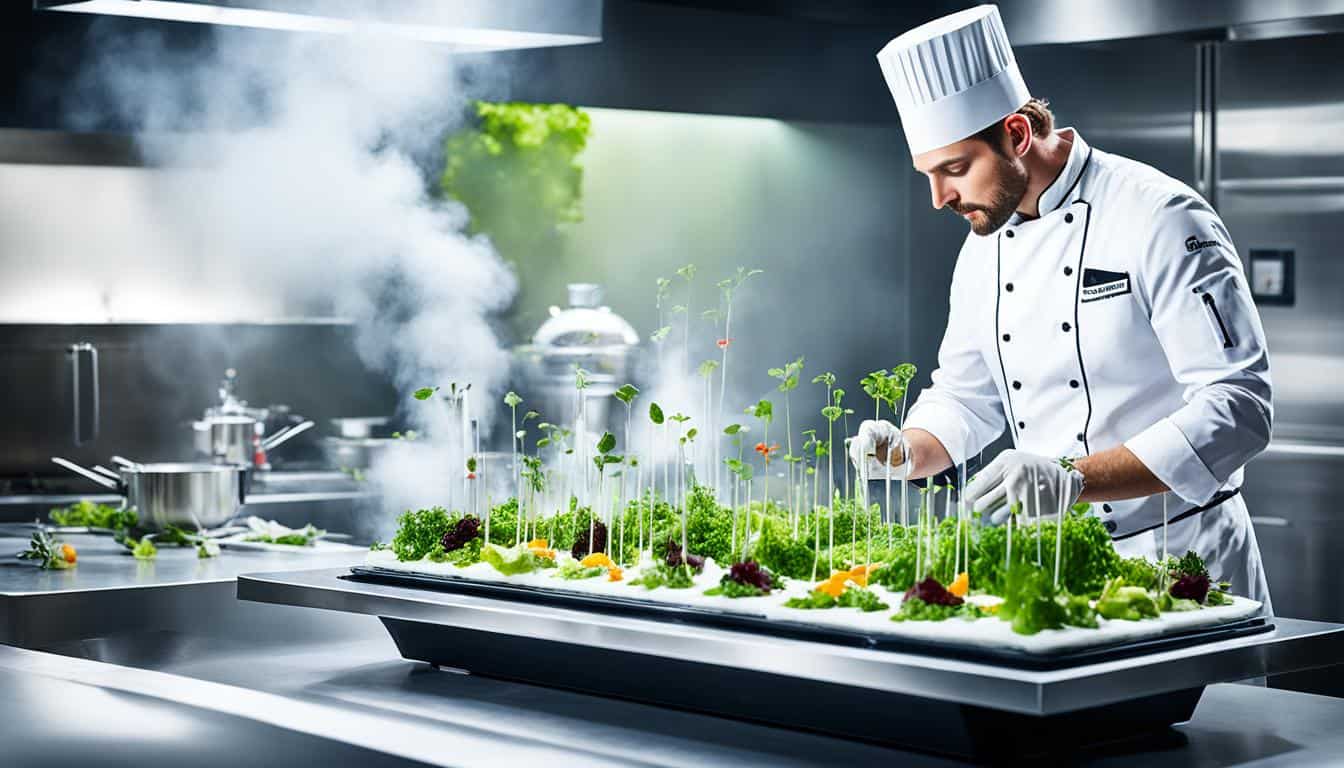
When I sat with friends at a trendy new spot, I was amazed by the menu. It mixed flavors from all over the world. Each dish told a story of how food innovations have changed modern eating.
Now, we see more sustainable ingredients and new tech in cooking. These changes show how cooking and technology are coming together. With every bite, I felt part of a big effort to make food safer and greener.
Recently, we’ve seen big changes in how we process and package food. It’s not just about what we eat; it’s also about how it’s made and brought to us. We have smart packaging that changes color to show if food is fresh. And there are even edible packaging solutions. These changes show a big push for sustainable eating.
Let’s dive into the world of food advancements. I’ll look at new innovations that are changing how we eat. They’re also tackling big issues like sustainability and food safety.
Key Takeaways
- The integration of modern technology enhances safety and efficiency in food processing.
- Consumer demand for eco-friendly solutions is driving edible packaging innovations.
- Advancements in packaging technology improve food freshness and sustainability.
- Automation plays a crucial role in meeting safety standards in food production.
- Data-driven insights are essential for understanding consumer preferences in the food industry.
The Rise of Food Technology
Exploring food technology shows how big changes in tech are affecting the kitchen. Innovations like automatic sensors and automation are changing how we make and eat food. A look at over 5,000 global startups shows us what’s new, like more plant-based foods and diets tailored to each person.
The Impact of Technological Advancements
New tech in food processing and packaging is opening doors for everyone. We’re seeing things like lab-grown meats and supplements for healthier eating. For example, Stixfresh keeps fruits fresh longer, and PepsiCo’s Drinkfinity lets you customize your drinks.
These changes make eating better for our planet and meet what people want for their health and ease.
How Technology Shapes Consumer Preferences
Online shopping is changing how we buy food. Now, people want quick, safe ways to get their meals. There’s a big push for health and wellness, with foods that are good for you and diets based on your genes.
Micro-Encapsulation: A New Standard in Food Packaging
Micro-encapsulation is a new tech changing the food packaging world. It keeps food fresh and fits the need for eco-friendly options. This method wraps up sensitive ingredients, keeping them safe and effective in many uses.
Understanding Micro-Encapsulation Technology
Micro-encapsulation puts active ingredients in a protective shell. The shell must break down easily, resist stomach acid, and be affordable. Natural stuff like cellulose and starch, and man-made ones like polylactic acid, work well for this.
These materials can be tiny capsules, spheres, or even nanoparticles, depending on what’s needed. For example, capsules with essential oils keep them fresh and boost taste. This tech tackles big challenges in food, like keeping bioactive compounds safe during processing and storage.
Benefits of Eco-Friendly Packaging Solutions
Today, people want sustainable packaging, and micro-encapsulation delivers. It keeps food quality high and cuts down on waste. Brands like Durethan and Nanocore show how it works.
They reduce food waste and make products last longer. This supports big sustainability goals and makes brands more eco-friendly. Micro-encapsulation is key in making food packaging better for the planet.
Edible Packaging: The Future of Sustainability
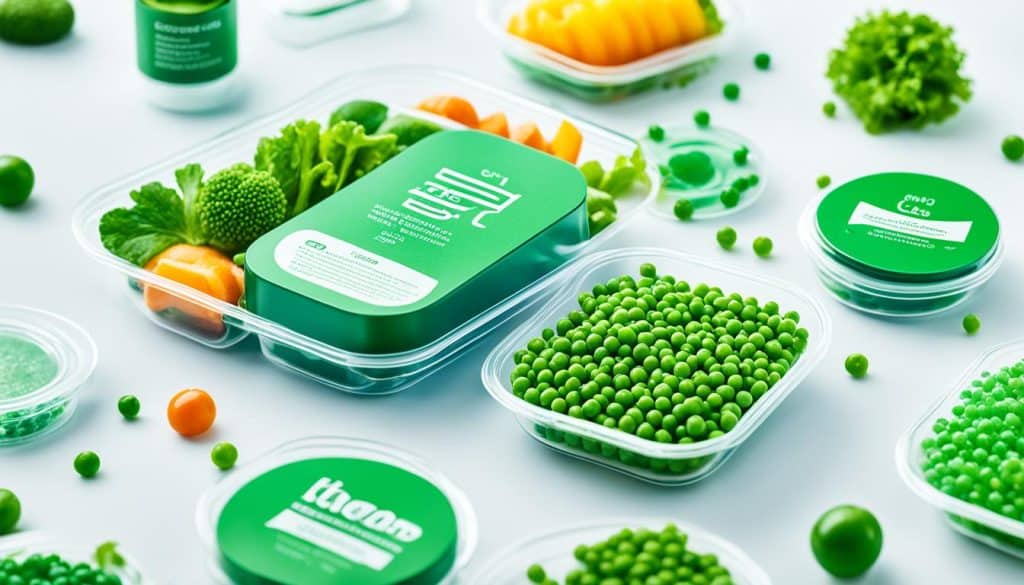
Exploring sustainable solutions in the food industry, edible packaging is a standout innovation. It reduces waste and ensures food safety by using safe materials. This technology is becoming more popular worldwide.
Innovative Examples of Edible Packaging
Organizations like MonoSol, LLC are leading in edible packaging. They create water-soluble films that dissolve in water, offering a new way to tackle plastic waste. Notpla Limited is also making waves with its seaweed-based coatings that break down naturally.
The edible packaging market is expected to grow at a 5.1% CAGR from 2024 to 2032. It’s set to hit a valuation of US$ 264.1 million by 2032. Currently, 78 million metric tons of plastic packaging are made each year, but only 14% gets recycled.
Challenges and Potential of Edible Packaging Solutions
Edible packaging faces challenges, like getting consumers to accept it. Educating people about its benefits could help. There are also challenges in making it last longer on shelves and during transport.
Despite these hurdles, the potential is huge. The market for edible packaging is expected to reach USD 5.26 billion by 2032. This shows that it could change the future of food packaging and help the environment.
Smart Packaging: Enhancing Food Safety
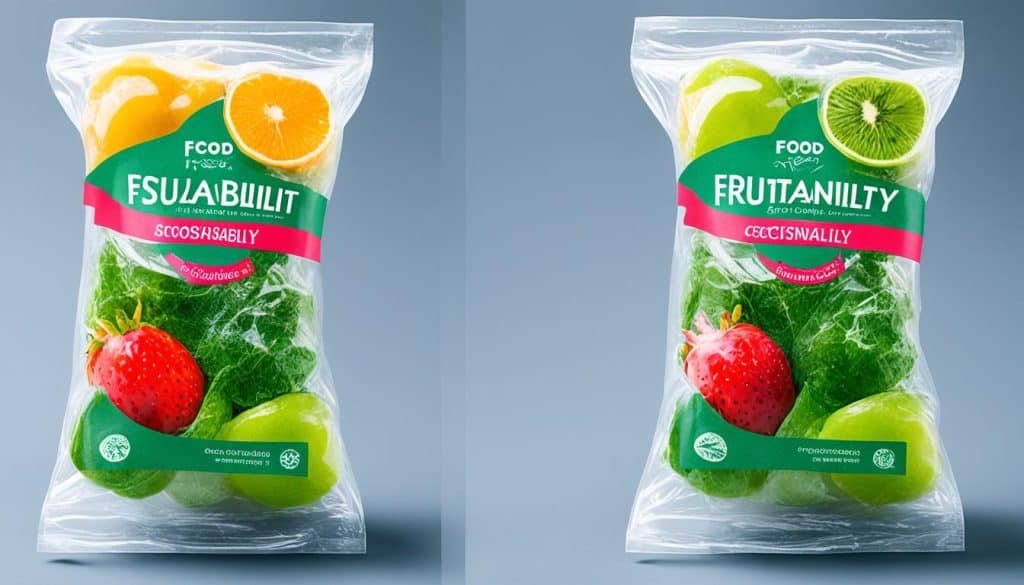
Exploring food safety technology, smart packaging is a key innovation. It blends functionality with advanced sensors to boost food quality and safety. These tools change how we handle our food, from monitoring freshness to spotting spoilage.
The Role of Sensors in Packaging
Sensors in smart packaging make food safety easier. For example, they can spot harmful germs like Salmonella or E. coli. This helps us make smart choices about what we eat.
These packages also have time-temperature indicators and gas sensors. They let both makers and buyers check the product’s state. A cool project is the “electronic tongue” that tells us about flavor and freshness.
Consumer Benefit from Smart Packaging
Smart packaging greatly benefits consumers. It keeps us informed about food quality, alerting us when it might go bad. This helps with meal planning and cuts down on food waste.
As people look for brands that focus on safety, smart packaging meets this need. It connects new tech with what consumers want. These efforts make food safer and improve public health.
Temperature-Controlled Solutions in Food Preservation
Exploring the latest in food preservation, I see temperature-controlled packaging as key. Technologies like High-Pressure Processing (HPP) and Modified Atmosphere Packaging (MAP) keep food safe. They help keep food fresh during storage and transport.
Using natural antimicrobials and edible coatings from biodegradable polymers boosts these solutions. This makes food last longer and stay nutritious.
Technologies for Temperature Regulation
Keeping food cool during transport is crucial to avoid spoilage. Technologies like cold plasma and vacuum packaging fight bacteria and keep food fresh. Smart storage systems with IoT and sensors help monitor food in real-time.
This helps companies manage their stock better and cut down on waste. Even though these methods cost more at first, they make production smoother and support eco-friendly products.
Applications of Temperature-Controlled Packaging
Temperature-controlled packaging has many uses. It’s a big help for industries that need to keep food at certain temperatures. This keeps food safe and maintains its quality.
Working together, companies, research centers, and agencies can push food preservation forward. These solutions improve food quality and safety. They also help companies stand out in a crowded market.
As people learn more about these methods, they’ll want more sustainable food options. This will make these solutions even more popular.