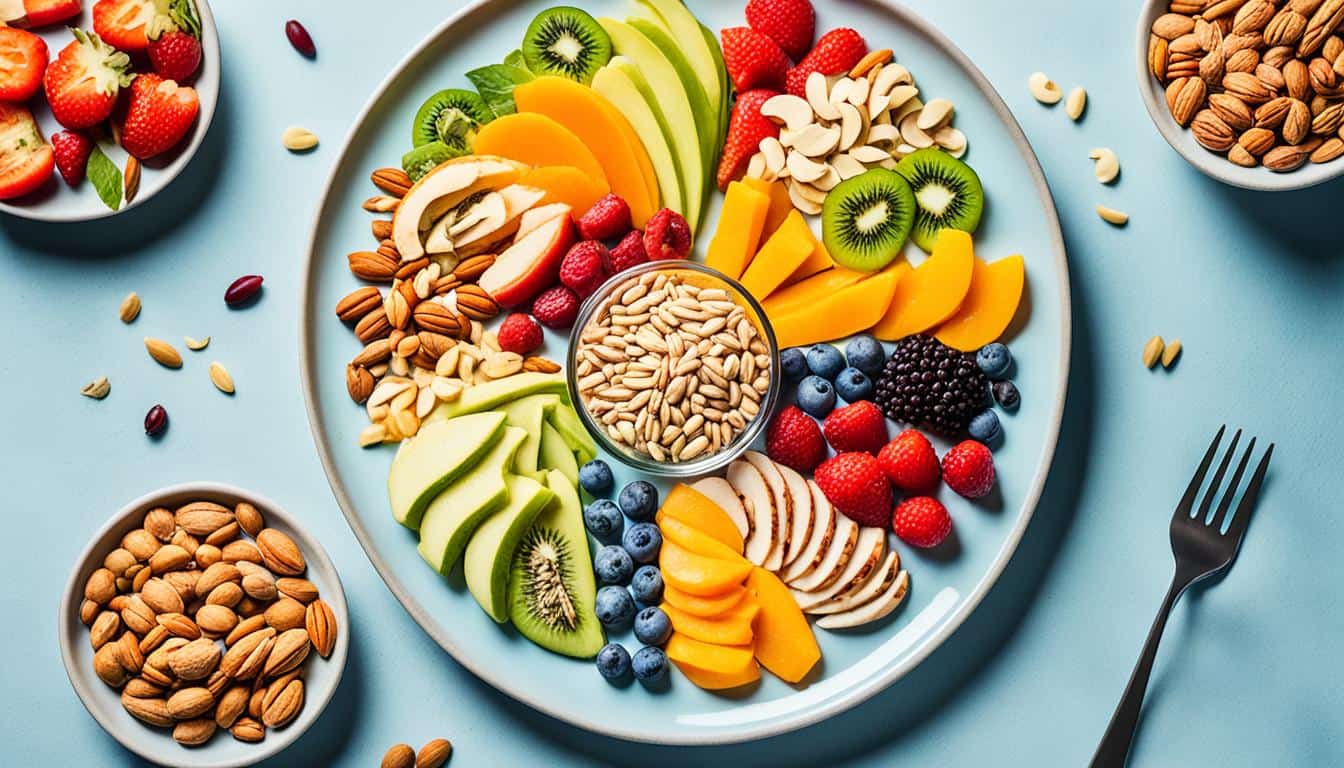
Looking back, the idea of nutrition was overwhelming to me. I used to jump from one fad diet to another, never finding lasting success. After bariatric surgery, I learned the value of sustainable nutrition over quick fixes. This change taught me to feed my body well, not just restrict it.
Working with health experts and focusing on mental health showed me the key to lasting weight loss. It’s not just about what we eat, but how we think about it. This guide is about building a positive relationship with food for better health and happiness. Let’s explore how a Healthy Eating Mindset can change our lives for the better.
Key Takeaways
- The shift from dieting to a Healthy Eating Mindset is essential for long-term weight loss.
- Chronic dieting can disrupt metabolism and hinder weight loss efforts.
- Nutritional deficits from dieting impact overall health and mental well-being.
- Mindful eating practices reduce maladaptive behaviors like stress eating.
- Establishing positive routines helps in forming sustainable healthy habits.
- Weight loss success involves a holistic approach, not just modifications to diet.
- Tracking progress beyond just the scale fosters better mental health.
The Importance of Nutrition for Long-Term Wellness
Nutrition is key to long-term wellness. It’s important to know how our food affects our health. By making smart food choices, we can improve our nutrition habits. A balanced diet gives us the nutrients we need and helps our mental health too.
Good nutrition is more than just eating. It’s about making choices that help us feel our best.
Understanding Macronutrients and Micronutrients
Macronutrients like carbs, proteins, and fats give us energy. Micronutrients, such as vitamins and minerals, help our bodies work right. A balanced diet means getting enough of both kinds of nutrients.
Here’s how much of each we should eat:
| Macronutrient | Recommended Percentage of Total Calories |
|---|---|
| Fat | 25-35% |
| Protein | 10-35% |
| Carbohydrate | 45-65% |
Nutrient-Dense Foods and Their Role
Nutrient-dense foods are great for a healthy life. They include fruits, veggies, whole grains, and lean meats. These foods are packed with vitamins and minerals but have fewer calories.
Eating these foods helps me stay full, have lots of energy, and manage my weight. It also lowers the risk of health problems from bad eating.
Hydration for Optimal Health
Drinking enough water is often overlooked in nutrition talks. But it’s vital for many body functions, like cleaning out toxins and moving nutrients around. Drinking plenty of water boosts my physical and mental performance.
Small changes, like carrying a water bottle or setting reminders, can help me drink more water. These steps make a big difference in staying hydrated.
The Relationship Between Mindset and Health
My health choices come from my mindset. A positive mindset makes me more likely to choose healthy options. It also helps me bounce back when things get tough. This mindset boosts my motivation, especially in my wellness journey.
How a Positive Mindset Impacts Healthy Choices
Keeping a positive mindset helps me make better food choices. During holidays, I’m often tempted by foods high in fat and calories. But, my strong mindset helps me deal with these temptations.
I bring fruits and veggies to parties to eat healthier. If I snack lightly before, I can avoid overeating. This helps me stay in control and stick to my healthy eating goals.
Resilience and Motivation in Wellness Journeys
Resilience kicks in when I feel tired from making healthy food choices all day. Planning for tough food situations keeps me focused on my health goals. Having a supportive partner or community makes me more accountable.
My journey matches the idea of a growth mindset, as explained by Dr. Carol Dweck. This view sees challenges as chances to grow. It keeps me motivated to keep up with my wellness goals.

Transitioning to a Healthy Eating Mindset
Changing how you see food and eat is key to a healthy eating mindset. It’s not just about what you eat, but how you think about it. Many women aged 40-59 try to lose weight, but 56% have done so in the past year. This can lead to guilt and shame from yo-yo dieting.
Moving Away from Dieting Mentalities
Understanding the harm of chronic dieting can free you. Focusing on feeling good, not just losing weight, helps me enjoy food more. Mindful eating makes me more aware of how food affects me, leading to better choices.
Setting small, achievable goals helps too. Instead of big changes, I make small steps that are easier to keep up with.
Embracing Sustainable Lifestyle Changes
Changing to healthier eating habits means focusing on long-term solutions. Eating a variety of foods helps avoid nutrient shortages, like vitamin B12 or iron. This variety boosts my health, energy, and happiness.
I enjoy cooking, which lets me be creative and satisfied with my meals. Everyone is different, so eating habits should be too. Celebrating my successes keeps me motivated to keep improving, building resilience and inspiring more positive changes in my eating habits.

Developing and Sustaining Healthy Nutrition Habits
Creating good nutrition habits is key for long-term wellness. It starts with a balanced diet plan that fits my needs and likes. By eating nutrient-rich foods, I make sure my body gets all the vitamins and minerals it needs.
Creating a Balanced Diet Plan
I focus on carbs, proteins, fats, and essential nutrients when planning my diet. It’s important to know how much to eat for good health. Here’s a table with daily portion guidelines for different activity levels:
| Activity Level | Carbohydrates | Protein | Fats |
|---|---|---|---|
| Low Activity | 45-50% of total calories | 15-20% of total calories | 30-35% of total calories |
| Moderate Activity | 50-55% of total calories | 20-25% of total calories | 25-30% of total calories |
| High Activity | 55-60% of total calories | 25-30% of total calories | 15-20% of total calories |
Tracking Progress Beyond the Scale
It’s not just about watching my weight. I look at how I feel, sleep better, and my mood. These signs show if my eating habits are working. Working with a nutrition coach helps me understand my eating better, keeping me motivated.
Identifying Triggers for Unhealthy Eating
Knowing why I eat badly is key to eating well. I watch for emotional and environmental triggers. Using mindful eating helps me enjoy food more and avoid unhealthy habits. Reflecting on these habits helps me stick to a healthy routine.

The Role of Mindfulness in Eating
Practicing mindfulness with food changes how I eat. It makes me focus more on my meals. This helps me understand hunger, fullness, and why I eat.
Practicing Mindful Eating Techniques
Mindful eating means enjoying my meals more. It makes me eat slower, so I know when I’m full. I pay more attention to the taste and feel of my food.
This helps me make better food choices. Studies show it leads to eating better and choosing healthier foods.
Building Interoceptive Awareness
Knowing what my body needs is key to eating well. It helps me tell the difference between hunger and eating because I’m stressed. This makes me feel better and helps me eat without guilt.
Research shows it also makes me happier and more satisfied with my meals. It helps me enjoy food without worrying about my health goals.
Utilizing Wellness Coaching for Healthy Eating Mindset
Working with a wellness coach has changed my eating habits for the better. They offer personalized advice to help me set and reach my goals. This teamwork helps me change my eating habits for good and improve my overall health.
Being coached also helps with more than just eating right. Studies show that it can make people more productive and cut down on health costs. In today’s busy world, stress can hurt our health and habits. A wellness coach helps me find ways to boost my mental and physical health, keeping me healthy in the long run.
Modern wellness coaching looks at all parts of life, like eating, exercising, and managing stress. It focuses on my unique goals and helps build lasting habits. Instead of just giving me a diet plan, a coach helps me find fun and lasting ways to eat well.
Thanks to my wellness coach, I’ve started habits that boost my health and make me more productive. This approach puts me in charge of my health and helps me stay strong when things change.
Achieving Balance and Long-Term Wellness
Getting a balanced diet is a big step towards better health. It means eating right, staying positive, and being active. This mix is key to feeling good and staying healthy.
It’s important to eat foods like fruits, veggies, whole grains, and lean meats. These foods give me the nutrients I need. Using plans and tips from before helps me eat well. Working with a wellness coach sets goals and gives me support that fits my life.
This support keeps me on track with my health goals. It helps me deal with tough times. By eating right and taking care of myself, I live a better life. Making choices that are good for my health and happiness is what it’s all about.