As I sit at my kitchen table, a comforting aroma fills the air. It takes me back to my childhood and family gatherings. We’d enjoy dishes like Baked Alaska and Chicago-style pizza. Each bite brought back stories of tradition, history, and culture.
I often wonder how these dishes became so famous. Luckily, I’ve talked to ten amazing chefs, including Andrew Spurgin and Chef Terry French. They have over 30 years of experience and have cooked for three U.S. presidents. Their stories show how these dishes became legends.
They reveal the history and culture behind the food we love. The journey through food history is about more than just flavors. It’s about the chefs who innovate and share their knowledge through these recipes.
Let’s explore the stories behind these dishes. We’ll see how they came to be and how they’ve changed over time. Join me as we dive into the delicious tales and meet the creative minds behind them.
Key Takeaways
- Iconic dishes hold deep culinary inspirations tied to cultural history.
- Chef Andrew Spurgin has cooked for notable figures, influencing modern cuisine.
- Chef Terry French won acclaim as the “Rebel Chef,” showcasing creativity in recipes.
- Baked Alaska’s popularity surged in the 1950s, sharing the spotlight with other classics.
- The culinary community thrives on storytelling and innovation, as seen in Chicago-style pizza.
- Each iconic dish reflects the unique journeys and influences of its creator.
- Understanding food history enriches our appreciation for these treasured culinary creations.
The Fascinating Origins of Baked Alaska
The story of Baked Alaska is a journey through culinary history and delightful flavors. It invites us to explore its rich dessert origins. This dessert combines sponge cake, ice cream, and meringue, making it a standout at any event. Its layers of flavor and texture tell a story that goes back to 1867, making it a unique treat in the pastry world.
Historical Context and Creation
In 1867, Baked Alaska first appeared, with its creation shrouded in mystery. Some say Charles Ranhofer at Delmonico’s in New York City made it. Others believe Antoine Alciatore at Antoine’s Restaurant in New Orleans created a similar dessert, called Bombe Alaska. Originally named “Alaska, Florida,” it contrasts frosty ice cream with warm baked meringue. Using neapolitan ice cream flavors has made it a favorite.
Antoine’s Restaurant in New Orleans
Antoine’s is a key part of culinary history, keeping Baked Alaska’s traditions alive. Making meringue and ice cream together is a challenge, especially in January when ingredients are hard to find. The restaurant’s commitment to this classic dessert lets guests experience its history and taste the original recipe.
Modern Interpretations of the Classic
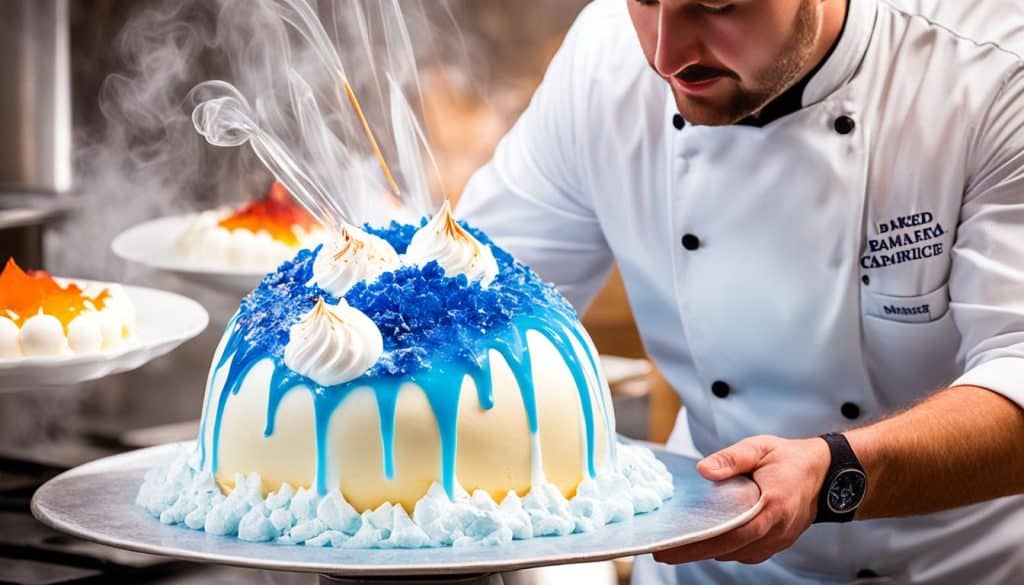
Today, Baked Alaska is considered an old-fashioned dessert but has taken new paths. Chefs experiment with various ice cream flavors or sorbets, adding their twist while keeping the dessert’s spirit. Watching the meringue brown, often with a blowtorch or in a broiler, is a thrilling moment that crosses generations. Baked Alaska shows the complexity and artistry of desserts, winning the hearts of many.
Culinary Inspirations: The Chicago-Style Pizza Saga
Chicago-style pizza is a big part of the city’s food scene. Every time I explore its origins, I get more excited. It all started at Pizzeria Uno in 1943, thanks to Ike Sewell and Ric Riccardo. This place set the stage for the deep-dish pizza we love today.
This pizza is known for its thick crust and many layers. It’s almost like a casserole, not just a pizza. This unique style has won over both locals and visitors.
The Invention at Pizzeria Uno
Pizzeria Uno was where it all started. The deep-dish pizza they created changed dining out in Chicago. It brought together fresh ingredients and a thick crust, making it perfect for creative toppings.
This style of pizza opened up new possibilities for flavor combinations. It also changed how people see pizza today.
Debates on Authenticity: Chicago vs. New York
Chicago-style pizza often sparks debates, especially with New York’s thin-crust slice. New Yorkers believe their style is the real deal. This has led to a friendly rivalry.
It’s interesting to see how both styles reflect regional pride. Chicago’s pizza is thick and filling, while New York’s is easy to eat on the move. Both styles show the deep roots of pizza in America.
Exploring Boston Cream Pie: A Taste of New England History
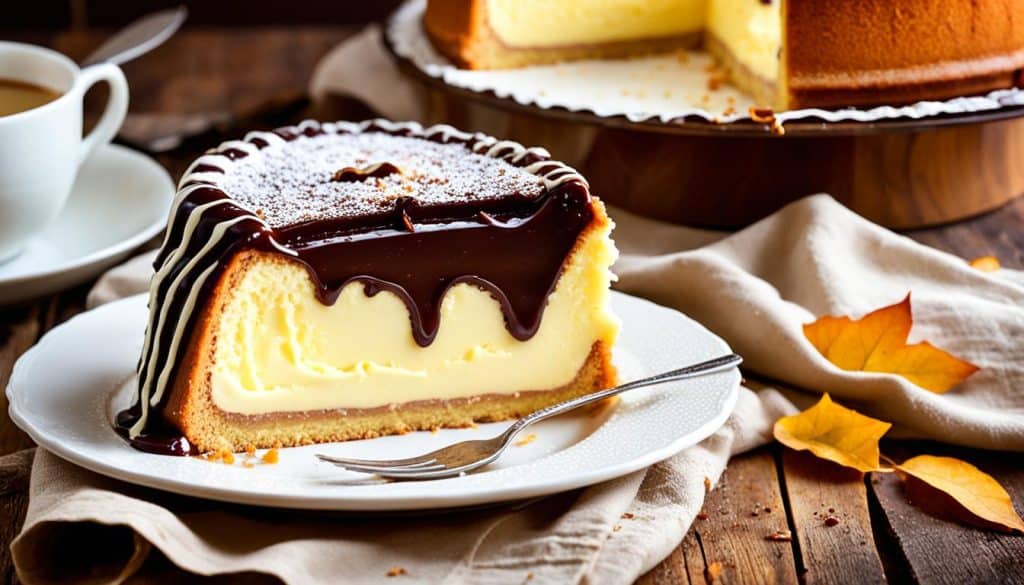
The Boston cream pie is a symbol of New England’s dessert heritage. It combines rich history with delicious flavors. This cake has layers of vanilla cream and chocolate ganache. It’s more than a treat; it’s a story of culinary evolution.
Creation at the Omni Parker House
In 1856, the Omni Parker House made Boston cream pie famous. French chef Raelyn mixed sponge cake with creamy filling. It quickly became a hit with locals and visitors. The Omni Parker House created a cultural icon that represents Massachusetts’ culinary spirit.
The Dessert’s Rise to Fame
Boston cream pie became famous and was named Massachusetts’ official state dessert in 1996. Its popularity led to variations, like the Boston cream doughnut. These versions honor its origins and add to the classic New England dessert’s charm.
California-Style Pizza: A Light Take on Tradition
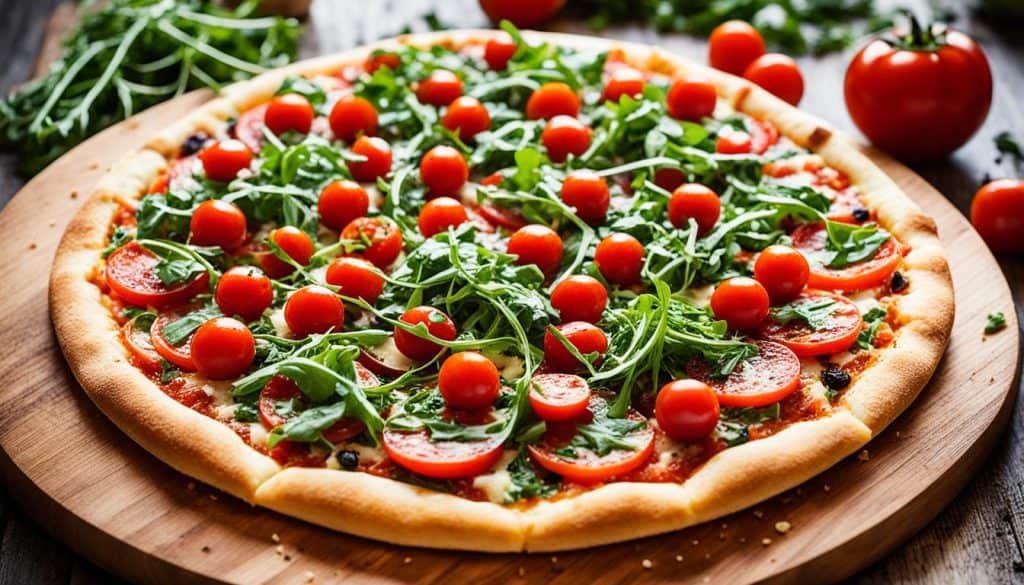
California-style pizza is a mix of old and new. It started in the late 20th century, thanks to the state’s diverse culture and fresh ingredients. Chefs like Alice Waters were key in creating this style. They combined local tastes with traditional cooking methods.
Chef Alice Waters and the Birth of New Flavors
Alice Waters opened Chez Panisse in Berkeley in 1971. She focused on seasonal, top-quality ingredients. This set the stage for California-style pizza. Her menu featured a light crust and toppings like smoked salmon and barbecue chicken, showing off her creativity.
Modern Twists Still Served Today
California-style pizza has spread far and wide. Places like Spago and California Pizza Kitchen brought new flavors to the table. They used fresh, local ingredients, appealing to those who love health and adventure. Now, it’s a favorite in pizzerias all over the country.
The Tale of Hangtown Fry: A Gold Rush Delicacy
The story of Hangtown fry is deeply tied to California’s Gold Rush history. It started in the 1850s as miners looked for a fancy meal to celebrate their good fortune. Hangtown fry mixes fried oysters, bacon, eggs, and seasonings. It shows the spirit of gold rush cuisine.
Learning about its origins connects me to a key moment in American history. It was a time when food innovation thrived with the chance for adventure and success.
Legendary Origins of the Dish
Hangtown fry’s roots are in Placerville, California, also known as Hangtown, near Sacramento. This town was full of miners hoping to find wealth. A miner once wanted a fancy meal and ordered oysters and eggs, creating Hangtown fry.
This dish has been a favorite in California for over 160 years. It has won the hearts of food lovers everywhere.
The Continued Legacy at Tadich Grill
For those wanting to try Hangtown fry, Tadich Grill in San Francisco has been serving it for 160 years. This restaurant is known for its traditional recipes. It celebrates the gold rush cuisine of Hangtown fry.
Every bite is a taste of history and creativity. It continues to inspire food lovers through the ages.
Red Rooster’s Culinary Inspirations in Harlem
Red Rooster sits on Malcolm X Boulevard and has become a key part of Harlem’s food scene since 2010. Chef Marcus Samuelsson uses his roots and vast experience to make a menu that honors Harlem’s culture. The menu blends traditional Southern comfort food with new cooking methods, making each dish special.
Chef Marcus Samuelsson’s Unique Approach
Marcus Samuelsson aimed to bring the lively tastes of Harlem to Red Rooster. His wide experience lets him mix different ingredients and cooking styles. This mix is seen in dishes like the Ethiopian Spice-Crusted Lamb and Chicken and Waffles, each with a unique twist.
Iconic Dishes That Represent Harlem’s Heritage
The menu at Red Rooster shows off Harlem’s history with dishes like Brown Butter Biscuits, Jerk Bacon, and Latino Pork with Plantains. Samuelsson goes beyond just flavors. *The Red Rooster Cookbook* shares stories and photos, linking the restaurant to Harlem’s culinary story.
Classic French Dishes: A Global Influence
Classic French dishes have made a lasting mark on the world’s kitchens. They have inspired chefs and home cooks everywhere. Dishes like coq au vin, bouillabaisse, and duck confit show off French cuisine’s best. They bring together techniques and flavors that cross borders.
The history of French food goes back to the Gauls and Romans. They brought fermentation and spice to the table. This rich history has shaped many of the culinary traditions we enjoy today.
In the Renaissance, French food started to focus more on taste and looks. The idea of haute cuisine became popular in the 17th and 18th centuries. Chefs made cooking an art, focusing on both taste and how food looked.
Auguste Escoffier changed how we see food preparation. His detailed approach to French cooking is still followed today. He made cooking a respected art.
Now, French cuisine’s impact is seen in many cooking styles. Many chefs go to places like Le Cordon Bleu to learn these classic techniques. They learn about sautéing, braising, and making sauces like béchamel and hollandaise.
The global culinary influence of French dishes is still strong. Classic French dishes inspire and bring people together through food. They continue to evolve, keeping their place in kitchens around the world.