Last summer, I found a basket of juicy peaches in my kitchen. They seemed to say, “Use us while we’re fresh!” I decided to focus on seasonal healthy eating. I used my favorite recipes that highlight the natural flavors of these fruits.
These recipes also help me support local farmers by choosing in-season produce. I made a grilled peach salad with goat cheese and basil. And a blueberry peanut butter smoothie that was full of protein. Cooking with seasonal ingredients makes my meals fresh and exciting.
This is the magic of seasonal cooking. It turns simple meals into nutritious ones full of flavor. It also connects me to my community and promotes wellness cuisine.
Key Takeaways
- Seasonal healthy eating enhances the flavor and nutrition of meals.
- Choosing seasonal produce supports local economies and reduces carbon footprint.
- Incorporating fresh ingredients is a cost-effective way to eat well.
- Embracing farm-to-table principles fosters connections with local farmers.
- Simple meal planning can make cooking with seasonal ingredients enjoyable.
- Cooking with seasonal produce encourages creativity and variety in your diet.
Understanding the Benefits of Seasonal Healthy Eating
Seasonal eating has many benefits for our health, local economies, and wallets. By picking produce in season, I get the freshest tastes and the most nutrients. Let’s look at why this way of eating is good for us.
Enhancing Flavor and Nutrition
Eating seasonally means enjoying fruits and veggies at their best. Strawberries in summer are sweeter and more nutritious than those in winter. They have more vitamins and minerals because they’re eaten soon after picking.
The Dietary Guidelines for Americans recommend eating a lot of fruits and veggies. But many people don’t get enough. Seasonal foods can help by offering tasty and nutritious options.
Supporting Local Economies
Buying seasonal produce helps local farmers and boosts the economy. At farmers markets, I get fresh food and support my community. These markets also offer unique flavors from heirloom varieties.
Supporting local farms is good for everyone. It keeps farming sustainable and helps the community.
Cost-Effective Eating
In-season produce is cheaper because there’s more of it. This means I can eat well without spending a lot. Cooking with these ingredients makes meals both tasty and affordable.
Frozen fruits and veggies are also a great choice. They’re nutritious and available all year, keeping the benefits of seasonal eating going.
How to Incorporate Seasonal Produce in Your Cooking
Adding seasonal produce to my cooking has been a fun journey. It makes my meals taste better and gives me important nutrients. Seasonal ingredients are full of flavor and freshness, making meal planning easy and fun.
Tips for Meal Planning with Seasonal Ingredients
I plan my meals with seasonal produce to use ingredients at their best. A good tip is to make a weekly meal plan based on what’s in season. This helps me pick recipes that use seasonal ingredients, so I can enjoy different flavors all year.
Using local farmer’s markets helps me find out what fruits and vegetables are in season. Seasonal produce is often cheaper and more nutritious, which encourages me to shop and cook mindfully.
Simple Recipe Ideas for Every Season
There are many recipe ideas that use seasonal fruits and vegetables. Here are a few simple ones I like:
| Season | Recipe Ideas | Main Ingredients |
|---|---|---|
| Spring | Asparagus and Lemon Pasta | Asparagus, garlic, lemon, pasta |
| Summer | Tomato and Basil Salad | Tomatoes, basil, mozzarella, olive oil |
| Fall | Roasted Pumpkin Soup | Pumpkin, onion, garlic, broth |
| Winter | Root Vegetable Stew | Carrots, potatoes, parsnips, celery |
These dishes are simple to make, perfect for busy families who want to eat seasonally. Seasonal cooking is good for health and makes cooking more creative. With each season, there are new produce options, offering endless possibilities for tasty meals.
Seasonal Healthy Eating: Ideas for Each Month
Embracing seasonal eating means enjoying fresh, delicious ingredients every month. It’s important to know what to look for to improve your meals. Seasonal foods taste better and are packed with nutrients, helping local economies too. Let’s dive into what to expect each month, focusing on key ingredients and tasty recipes.
What to Look for in January
January is cold, making it perfect for hearty, nourishing foods. Look for kale, root vegetables, and citrus fruits. These are full of vitamins and minerals, great for warming dishes. Citrus fruits like oranges and grapefruits add brightness to your meals.
Delicious Recipes for June
By June, summer brings vibrant produce like strawberries, zucchini, and tomatoes. These items offer endless culinary possibilities. You can make refreshing salads or vibrant stir-fries with them. Using these ingredients makes your dishes flavorful and nutritious. Try adding strawberries to desserts or salads for a fun twist!
Fun Summer BBQ Ideas using Fresh Ingredients
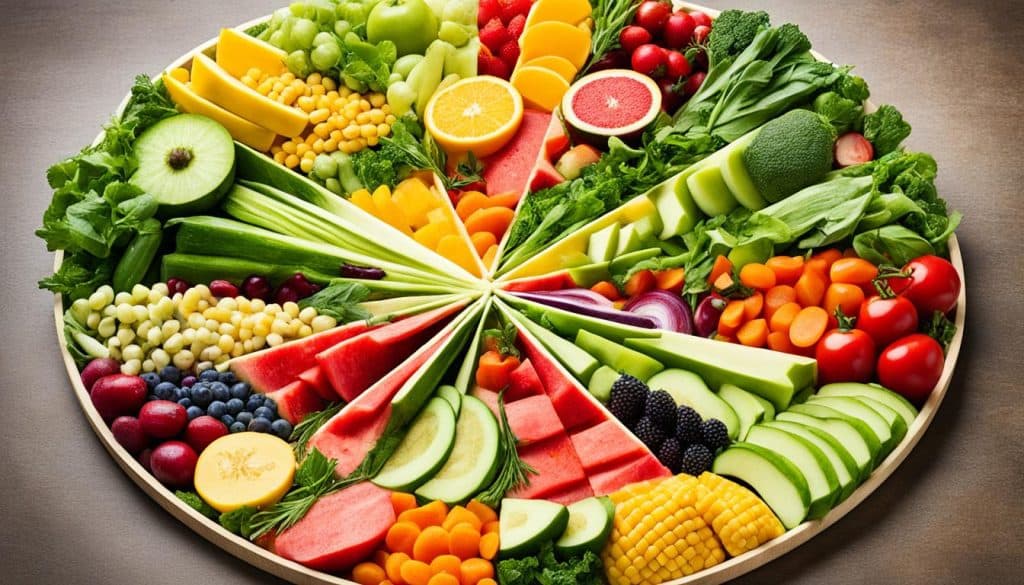
Summer BBQs are a great way to show off seasonal produce. Grilling veggies like bell peppers and corn brings out their sweetness. Add fresh herbs like basil or cilantro to sauces or marinades for extra flavor. Cold salads with ripe tomatoes and cucumbers next to grilled meats add a refreshing touch. Using seasonal ingredients makes your summer BBQs both delicious and healthy!
Embracing Farm-to-Table Principles
Connecting with local farmers is key to the farm-to-table movement. This approach builds a sustainable food system for everyone. At farmers’ markets, I talk to farmers and get fresher produce and a stronger community feeling.
Buying directly from farmers means I get quality ingredients and support the local economy. It’s a win-win situation.
Building Relationships with Local Farmers
Working with local farmers brings many benefits. I get fresh ingredients and help build community ties. Local food systems make sure everyone has enough to eat and keep money in our area.
Studies show that money spent on local food stays in our community more often than at big stores. This helps farmers and consumers work together, making our food system stronger.
Culinary Benefits of Fresh Ingredients
Using fresh, local ingredients makes meals taste better and be healthier. Produce picked right away has more vitamins and minerals. This means my meals are not just tasty but also good for me.
Less food waste and shorter supply chains are other big pluses. These methods also help the environment. Sustainable farming practices like composting and crop rotation make the food I eat even better.
Supporting local farms helps create jobs and diversify our food scene. Choosing local food is good for my health and my community’s well-being.
Creating Wellness Cuisine with Seasonal Ingredients
Wellness cuisine celebrates the vibrant flavors and health benefits of seasonal ingredients. Using seasonal produce in my meals boosts their taste and nutrition. Foods at their peak ripeness have more vitamins and nutrients, making my meals healthier.
Eating seasonally connects me with my local community. It supports small businesses and is good for the planet. I love knowing my fruits and veggies are local and fresh, which makes my meals taste amazing.
Seasonal ingredients are good for my health. They can boost my immunity and overall well-being. The USDA Seasonal Produce Guide helps me plan a balanced diet with a variety of healthy foods all year.
Seasonal foods taste better because of their natural chemicals and nutrients. They stay fresh longer than out-of-season produce. This fits well with my goal of eating healthy and supporting sustainable farming.
Starting to eat seasonally takes some planning and small steps. By making small changes each week, I enjoy the benefits of wellness cuisine. This helps me take care of my body and mind while connecting with my community.
Seasonal Cooking Tips for Busy Families
Busy families often find it hard to cook meals that are healthy and seasonal. Cooking with the seasons can make meal prep easier and less stressful. Here are some tips to help you cook efficiently and eat healthier.
Quick Prep Ideas
Using quick prep ideas can save a lot of time during the week. Start by washing and chopping veggies early, making them ready for meals. I like to do this on Sundays with my family, making it fun and helpful.
This way, I spend less time prepping each night. Having seasonal produce ready means I can whip up tasty meals quickly. It’s a great way to eat more veggies and save time.
Batch Cooking Strategies
Batch cooking has changed how my family manages our busy schedule. Cooking big batches of meals lets me save some for later, cutting down on daily cooking time. Soups, stews, and casseroles freeze well, so we can enjoy homemade food even on busy nights.
Planning a batch cooking day helps us try new recipes and stay on budget. It makes grocery shopping easier and sparks creativity in the kitchen.
| Meal Type | Preparation Time | Storage Duration |
|---|---|---|
| Soups | 30 minutes | 3 months (frozen) |
| Casseroles | 45 minutes | 2-3 months (frozen) |
| Stews | 60 minutes | 3-4 months (frozen) |
| Cooked Vegetables | 20 minutes | 3-5 days (refrigerated) |
Celebrating Seasonal Eating Throughout the Year
Throughout the year, we have many chances to enjoy seasonal eating. This not only helps our health but also brings our communities together. Seasonal food festivals are a great way to try fresh produce, especially with friends and family.
Local markets often have events to show off what’s in season. This lets me taste the real flavor of ingredients from nearby farms. These events are perfect for meeting others who love healthy food and caring for the planet.
Going to these festivals helps me see how my food gets from the farm to my table. It’s interesting to learn about the seasonal cycles and how to cook with them. For example, eating citrus fruits in winter boosts my Vitamin C and connects me with nature’s cycles.
Buying local produce also supports local economies and gives me the best taste. It’s a win-win situation.
Preserving the harvest, like freezing summer berries or making pickles, is another way to celebrate seasonal eating. It lets me enjoy the tastes of different seasons all year. By taking part in these events, I improve my health and connect with others who share my values.