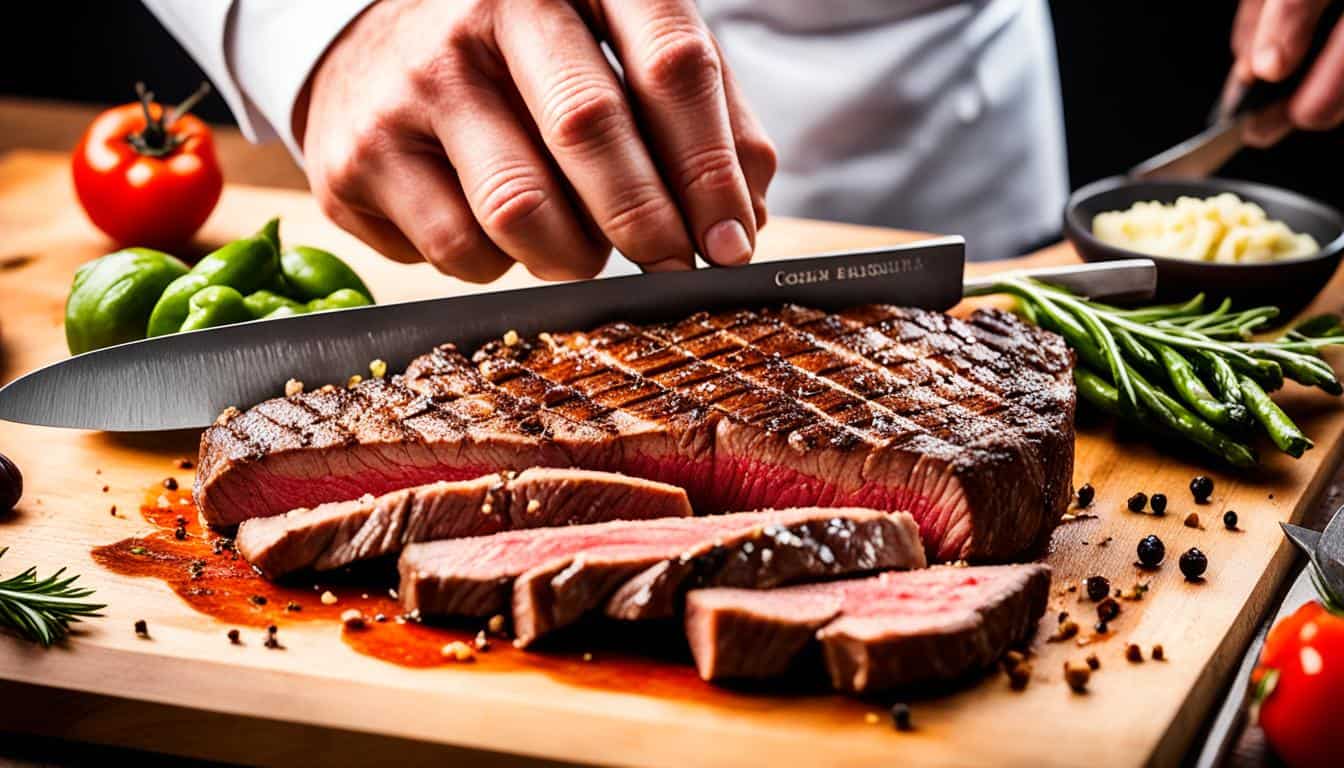
When I first stepped into the kitchen, I knew nothing about cooking. I remember trying to make an omelet and failing miserably. The eggs were rubbery and hard. This failure made me realize how important it is to learn basic cooking skills.
These skills help avoid mistakes and make food taste great. Over time, I learned that knowing how to cook can save you time and money. It also lets you control what you eat. I’m excited to share what I’ve learned, from simple kitchen tips to advanced chef methods. Let’s improve your cooking together!
Key Takeaways
- Focus on foundational cooking techniques to improve your culinary skills.
- Basic skills like egg cooking can greatly enhance your dishes.
- Using quality ingredients is key to flavor and success.
- Mastering diverse cooking methods opens up a world of culinary possibilities.
- Effective kitchen tips can transform your everyday cooking routine.
- Influential chefs often emphasize the significance of mastering the basics.
Culinary Skills Essentials for Beginners
Starting in the kitchen can feel daunting, but learning basic cooking skills makes it fun and rewarding. Essential cooking techniques help turn simple ingredients into tasty meals. Getting comfortable in the kitchen is the first step, and with time, you’ll feel more at ease.
Getting Started in the Kitchen
Learning key culinary skills is crucial for any new cook. Important skills include knife handling, boiling, controlling temperatures, and basic baking. These skills are the foundation of your cooking journey. Knowing the five mother sauces is also important for adding rich flavors and textures to dishes.
It’s a good idea to use trusted resources to learn. Cookbooks, cooking shows, and online tutorials can be very helpful. Trying out simple recipes like pasta carbonara or roast chicken can boost your creativity and confidence. Each recipe is a chance to practice and improve your skills.
Don’t forget the importance of using quality ingredients like fresh veggies, herbs, and spices. They’re key to great flavors. Also, learning to make vinegars or stock can take your cooking to the next level.
Trying new things and making mistakes is part of the learning process. Even simple recipes can lead to amazing results, building your kitchen confidence. With each dish, you’ll get better and lay a strong base for more complex cooking techniques later on.
Understanding Flavor Profiles
Learning about flavor profiles is key to making dishes taste great. Every dish aims for a balance of five main flavors: salty, sweet, sour, bitter, and umami. Getting good at these tastes can really improve your cooking. Trying out different mixes leads to exciting finds, making your cooking personal.
The Building Blocks of Flavor
Using the right seasonings can change how food tastes. Salt enhances natural flavors, while citrus or vinegar adds a bright touch. This mix adds depth and makes food more exciting. Fresh produce often tastes stronger and sweeter.
Seasonal ingredients not only taste better but also help local farmers. In cooking school, tools like the Escoffier Flavor Wheel teach students about taste, aroma, and texture. I’ve found exploring flavors in Cajun/Creole or Caribbean cuisine fascinating. Cooking methods like grilling or slow cooking add unique textures and tastes.
Understanding different flavors makes cooking more fun. Adding aromatics and herbs gives dishes a special touch. As I learn more, I’m amazed by how local traditions and climate shape unique tastes. These tastes connect us to our culinary roots.

Cooking Techniques: Unlock the Secrets to Delicious Dishes
In my culinary journey, I’ve learned that mastering basic cooking techniques can change how a dish tastes and feels. These techniques are key to making delicious meals. They let us explore different chef methods and turn simple ingredients into amazing dishes.
Basic Cooking Techniques
Learning cooking basics like roasting, sautéing, boiling, and grilling is crucial. Each method has its own benefits, helping us create different textures and flavors. For example, boiling is great for cooking pasta and eggs, while roasting veggies at 375 to 425°F makes them caramelized perfectly.
Following mise-en-place, or prepping ingredients before cooking, keeps the kitchen organized and efficient. High-quality kitchen knives are also essential. They improve safety and help with precise cuts, which is important for even cooking.
Using gadgets like an electric mixer or food processor can make cooking easier. Searing meat at high heat creates a tasty crust. Understanding the Maillard reaction helps bring out the best flavors. Making sauces, like a classic white sauce, can take a dish to the next level.
Seasoning is key while cooking. Salting food enhances its taste. I keep kosher, fine, and flaky salt on hand. Fresh spices can also change the flavor. Grinding whole spices fresh is a trick I’ve learned to use.
| Cooking Technique | Description | Key Tips |
|---|---|---|
| Boiling | Cooking food in boiling water, ideal for pasta and eggs. | Know the different boiling temperatures: rolling boil (212°F), slow boil (205°F), and simmer (190-205°F). |
| Roasting | Cooking food evenly in the oven, perfect for vegetables. | Aim for temperatures between 375°F and 425°F for optimal caramelization. |
| Searing | Quickly cooking meat at high temperatures for browning. | Always preheat your pan to achieve the best crust. |
| Making Sauces | Creating flavorful additions to dishes, essential for enhancing meals. | Deglazing with liquids after cooking adds depth of flavor. |
| Sautéing | Cooking small pieces of food quickly in a little oil over high heat. | Ensure your pan is hot enough before adding ingredients. |
Trying new ingredients and cuisines keeps cooking exciting. By using these basic techniques, every dish becomes an adventure.
Simple Kitchen Tips to Elevate Your Cooking
Cooking can be fun and rewarding with simple tips. These tips boost flavors and make cooking more efficient. This makes my time in the kitchen better and less stressful.
Elevating Everyday Meals
I began cooking with little skill years ago. Over time, I learned how small changes could make a big difference. Now, I use six cloves of garlic in my recipes for more flavor.
I also add at least a tablespoon of cinnamon to dishes for warmth. Using alcohol like brandy and white wine adds great flavor. I measure these carefully to get the right balance.
I make my own spice blends for things like sausage. This lets me customize the flavors. Remembering to add salt is key to making a dish taste great.
Now, I trust my instincts in the kitchen more. This means I try new things and often get great results. I’ve learned that cooking at home is healthier than eating out.
Using tongs makes cooking easier and helps avoid mistakes. Storing food in reusable containers is also good for the planet.
I prefer to smash garlic with a knife instead of using a press. This saves time and keeps the garlic’s flavor. I use a separate cutting board for non-garlic items to keep flavors distinct.
Fresh herbs are a must in my kitchen. They taste better than dried herbs. Keeping spices fresh is important, as they can lose strength over time.
Avoiding overcooking is key to keeping flavors bright. Adjusting salt and adding vinegar or olive oil can make a big difference. This ensures my meals are well-balanced.
Now, I prefer using milder onions like shallots or leeks. They add depth without overpowering the dish. Storing fruit outside the fridge helps keep its natural taste.

Mastering Basic Cooking Skills
Building a solid foundation in the kitchen is key for anyone wanting to improve their cooking. Mastering cooking skills is rewarding and makes me more creative and confident. Knife skills are especially important and make a big difference in my cooking.
Knife Skills and More
Learning about different cuts like dicing and julienne improves my cooking. Using the right techniques helps with even cooking and looking good. I always use a sharp knife to avoid accidents and hold it correctly on a stable cutting board.
There’s more to learn than just knife skills. Making a mirepoix with onions, carrots, and celery is great for many dishes. I also know how to cook different types of rice, like brown, basmati, or sushi, to get it right every time.
| Skill | Description | Tools Needed |
|---|---|---|
| Knife Skills | Master types of cuts and safe handling | Chef’s knife, cutting board |
| Mirepoix Preparation | Base for soups and sauces | Chopping knife, cutting board |
| Making Homemade Stock | Flavorful base for soups and stews | Stock pot, strainer |
| Breading Technique | Coating proteins for frying or baking | Flour, eggs, breadcrumbs |
| Cooking Bacon | Sheet pan oven method for even cooking | Sheet pan, parchment paper |
| Making Vinaigrette | Simple dressing for salads | Mixing bowl, whisk |
Having all my ingredients ready before cooking is called mise en place. It helps me stay calm and focus on cooking. Learning to make a perfect roux with butter and flour is also key for sauces and soups.
Working on cooking skills opens up new possibilities, from basic to advanced techniques. Skills like cutting a whole chicken or baking cookies make cooking more fun. Every skill I learn makes cooking at home more enjoyable.
Common Chef Methods to Enhance Your Dishes
Exploring chef methods can change how I cook at home. Using advanced cooking techniques helps me make my dishes better. Techniques like braising, cold smoking, and dry rubs are easy for home cooks to try. They let me be creative with my meals every day.
Advanced Techniques for Home Cooks
Braising is a key method for tougher meat cuts. It cooks slowly, making the meat tender and flavorful. Cold smoking adds a subtle smoky taste to meats, great for experimenting with flavors.
Dry rubs also add flavor, creating a tasty crust on meats. When I mix these methods with my own style, I can make my meals feel like they’re from a restaurant.
Learning about lactic acid fermentation opens up new possibilities. It lets me make things like yogurt and sauerkraut. This shows how diverse and exciting advanced cooking techniques can be.

The Importance of Seasoning in Cooking
Seasoning is key to making a dish stand out. It’s what turns a simple meal into something unforgettable. By mastering seasoning, you can enhance flavors and create a memorable taste experience. It’s all about balancing the flavors with a keen sense of taste and careful ingredient selection.
Techniques for Perfect Seasoning
Understanding the basic tastes of sweet, salty, sour, and bitter is crucial. To improve your seasoning skills, taste your food after adding each seasoning. This helps you fine-tune the flavors for the perfect balance.
Start with a small amount of salt and adjust as needed. This ensures your dish gets just the right flavor. Black pepper is also great for seasoning. Begin with about 1/2 teaspoon and adjust to taste.
For a spicy kick, taste before adding chiles. Use about one tablespoon per recipe and adjust to your liking. Fresh herbs like parsley or basil add a burst of flavor. Use up to a half cup of mild herbs or a tablespoon of robust ones.
Acids like vinegar or citrus juice can brighten a dish. But use them sparingly, adding no more than one to two tablespoons. Salty ingredients like olives or soy sauce also enhance flavors. Toasting spices before use releases essential oils that deepen the flavor.
Knowing how to use salt in marinades, during cooking, and at the end is crucial. Salt brings out hidden flavors and can add a sophisticated touch. By exploring different spice profiles, you can reflect cultural backgrounds and enhance your cooking.
Balance is key to avoiding overpowering flavors. It ensures every bite is delightful and satisfying. Seasoning can completely change the taste of a meal, making it memorable.
Exploring Varied Cooking Techniques
Exploring different cooking techniques has opened a world of flavors and creativity for me. I’ve moved beyond traditional methods to improve my skills and the meals I make. Each technique lets us try new tastes and textures from around the world.
Diverse Culinary Methods
My culinary journey has led me to try many cooking methods. Grilling is a favorite, especially for ground hamburger meat. It gives a great sear and a charred taste.
Roasting is great for slow-cooked dishes. Prime rib and pork shoulder get tender with slow cooking. Whole chickens and turkeys also benefit from the oven, developing rich flavors.
Sautéing is perfect for quick meals. I love using it with zucchini and beef. Olive oil or butter adds a special touch to the dish.
Frying adds a new level to cooking. I pan-fry small meat cubes for salads or pasta. Battering fish before frying keeps it moist and tasty.
Broiling is quick and suits my busy life. It’s great for thin meat cuts like chicken or turkey cutlets. Fruits and vegetables also turn out delicious when broiled.
Braising and stewing are all about slow cooking. They make tough meat soft and create hearty stews with vegetables.
Now, over 40% of professional cooks find inspiration online. The internet has made global cooking styles easy to explore. Online forums share tips and hacks, helping cooks grow. New devices like the CHEF iQ Smart Cooker make cooking safer and easier.
| Culinary Technique | Recommended Ingredients | Characteristics |
|---|---|---|
| Grilling | Ground beef, ribeyes, porterhouses | Charred flavor, quick cooking |
| Roasting | Prime rib, whole chickens | Even cooking, rich flavors |
| Sautéing | Zucchini, tenderloin | Quick, vibrant dishes |
| Frying | Fish, small meat cubes | Crispy exterior, moist interior |
| Broiling | Steaks, fruits | High heat, short duration |
| Braising | Pork shoulder, root vegetables | Softening tough cuts |
| Stewing | Brisket, onions, carrots | Rich flavors, comfort food |
Practical Tips for Cooking with Herbs and Spices
Cooking with herbs and spices can make a dish special. It adds unique flavors and aromas that take a meal to the next level. In my kitchen, I’ve found that fresh herbs like parsley, cilantro, and sage add a bright touch. But, they lose their flavor fast when cooked too long. So, add them near the end.
Hard herbs like rosemary, thyme, and oregano can handle longer cooking times. They’re great for stews and roasts.
When using dried herbs, add them early in cooking. They need time to rehydrate and spread their flavors. Spices like cumin, coriander, and cinnamon should also go in early for the best taste.
My favorite way to use spices is to cook them in oil over moderate heat before adding liquids. This method releases their essential oils, making the dish taste better.
Watching the spices cook in oil with onions is a joy. When their aroma gets strong, it means they’re ready to add flavor to your dish. Each herb and spice has its own benefits, like basil and ginger, which add flavor and health benefits.
To keep herbs fresh, store them in a cool, dark place. The choices we make with herbs and spices affect both taste and health. So, picking the right ones is key to a great dish.
The Role of Equipment in Successful Cooking
Having the right kitchen equipment is key to cooking success. Essential tools make cooking easier and improve the experience. They help prepare meals fast, keeping them fresh, which is crucial in busy places like restaurants.
Essential Kitchen Tools
Quality kitchen equipment is vital for consistent results. Precise measuring tools prevent overcooking, especially with meats. Using a meat thermometer ensures dishes are safe and taste great.
Having the right tools, like my favorite knives and cookware, makes cooking fun. It leads to better experiences for guests and is crucial for those in the food industry. The right equipment turns cooking into a creative space that improves every meal.