Have you ever hosted a dinner party and felt overwhelmed? I remember one evening like it was yesterday. I was trying to plate a perfect roast, but there were vegetables to chop and spices everywhere. That night, I learned that cooking techniques are key for both flavor and sanity.
Mastering a few chef methods can turn chaotic cooking into a smooth process. It’s not just about making food taste good. It’s also about keeping your kitchen running smoothly.
I’ll show you essential cooking techniques that take meals from good to great. Whether it’s for a family dinner or a big event, knowing how to manage your kitchen is crucial. Let’s explore kitchen secrets that will boost your cooking confidence. Are you ready to move from prep to plate? Let’s get started!
Key Takeaways
- Understanding cooking techniques simplifies meal preparation.
- Learn how to use flavor-enhancing methods like braising and broiling.
- Organizing your kitchen is crucial for efficient cooking.
- Mastering emulsification and acidulation can enhance your dishes significantly.
- Simplifying your process with the right tools saves time and hassle.
Understanding Meal Prep for Everyday Cooking
Meal prep is a great way to make healthy meals easy for busy lives. It lets me cook ahead and have balanced meals ready, even when I’m super busy. Let’s dive into what meal prep is and why it’s so good.
What is Meal Prep?
Meal prep means getting ingredients or meals ready for 3 to 7 days ahead. It’s all about being efficient and convenient, especially for small households. It helps me plan, shop, and cook better. Starting with leftovers is a simple way for beginners to get into it. As I get better, I can move on to prepping meals with specific recipes.
Benefits of Meal Prepping
Healthy meal prep has lots of perks, like saving time and eating better. It helps me choose healthy foods for the week. This way, I avoid bad food choices when I’m hungry. Plus, it cuts down on food waste and grocery bills.
I can pick from many foods for meal prep. Tough veggies, cooked grains, and lean meats work great. But soft fruits and fried foods don’t last long. Choosing the right containers is key, from glass to metal, to keep meals fresh and yummy.
| Meal Prep Formula | Description |
|---|---|
| Basic | Protein + Grain + Vegetable |
| Low Carb | Protein + Vegetable + Vegetable |
| Vegetarian | Legume + Grain + Vegetable |
Time-Saving Meal Prep Tips
Meal prepping changes how we cook, especially when we look for ways to save time. Using smart strategies in the kitchen makes cooking efficient and mealtime fun. Here are two key practices to make cooking faster.
Take Shortcuts in the Kitchen
Using kitchen shortcuts can greatly reduce cooking time. Buying pre-cut veggies or rotisserie chicken saves minutes on busy nights. Keeping ingredients like chicken, rice, and beans ready in bulk saves time and makes quick meals easy.
Having go-to meals like chicken fajitas or spaghetti makes cooking simple. Freezing leftovers means I always have healthy meals ready.
Clean as You Go for Efficiency
A clean kitchen helps with efficient cooking. I wash and cut veggies all at once to keep them fresh and save time. Cleaning utensils and surfaces as you go keeps the kitchen tidy and workflow smooth.
Quickly cleaning up between tasks reduces stress. After a long day, starting meal prep without looking for things makes cooking more relaxing.
Organizational Meal Prep Strategies
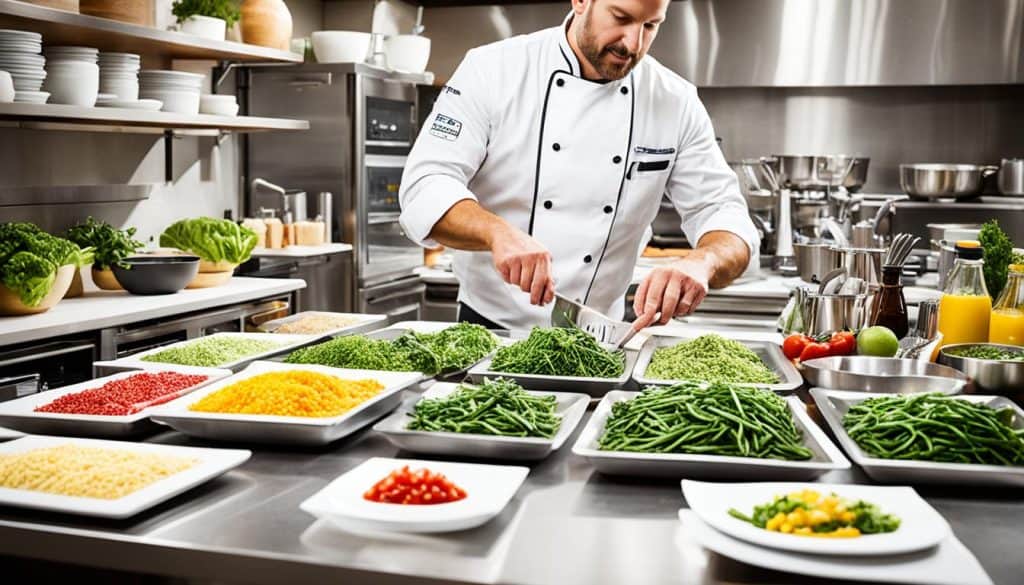
Having an organized kitchen makes meal prep easy and stress-free. It helps me work more efficiently and quickly. By keeping everything in its place, I can find what I need fast, making cooking fun.
Organize Your Kitchen for Success
Organizing my kitchen means putting all the tools and ingredients where I can easily reach them. I assign specific spots for things I use a lot. This approach helps with storing food and makes cooking smoother. I keep similar items together, like spices and oils, to avoid clutter.
Upcycle Your Jars for Storage
Using upcycled glass jars in my kitchen saves space and is good for the planet. Empty jars are great for storing snacks, leftovers, and more. I clean them well and remove labels to keep everything tidy. This method saves resources and makes my kitchen look great for meal prep.
| Item | Purpose | Storage Solution |
|---|---|---|
| Spices | Flavoring meals | Clear containers or spice racks |
| Frozen Vegetables | Meal bases | Seal-tight freezer bags or glass containers |
| Prep Ingredients | Quick meal assembly | Mason jars or labeled storage bins |
| Snacks | Healthy options | Upcycled jars or snack bins |
Flavor-Focused Meal Prep Techniques
When I start meal prep, I always focus on adding flavor. Using the right techniques can make dishes better and more enjoyable all week. I love using Kewpie mayonnaise for its rich taste. It makes simple meals like sandwiches and burgers special, keeping them moist and tasty even after freezing.
Enhancing Dishes with Mayonnaise
Kewpie mayonnaise is known for its creamy texture and tangy flavor. Adding it to chicken and salmon makes them more juicy. For meal prep, mixing it with herbs and spices lets me get creative while keeping flavors fresh.
How to Substitute Ingredients Effectively
Substituting ingredients is key in my meal prep. Swapping out items like cornstarch for arrowroot or tapioca can change a dish. Having versatile ingredients makes cooking fun and easy.
Roasted Brussels sprouts are a great side dish. They get caramelized, giving off sweet and savory flavors. I use heavy-duty USA sheet pans for roasting, which are tough and help get the right crispiness.
The broiler is another great tool for adding flavor quickly. It’s perfect for chicken thighs and kebabs. In summer, I grill outside, which is easy and doesn’t require much cleaning. Using parchment paper makes cleanup easy but watch out for its effect on crispness.
These methods make meal prep efficient, save money, and keep things organized. The end result is a week’s worth of tasty meals.
Exploring Cooking Techniques for Better Meals
Learning about different cooking methods has changed how I cook. It lets me improve flavors and textures, making simple dishes special. Whether I’m sautéing veggies or broiling proteins, the right technique makes a big difference.
Understanding Different Cooking Methods
Each cooking method adds something special to food. Here’s a quick look at some key techniques I use often:
| Cooking Method | Description | Best For |
|---|---|---|
| Sautéing | Quickly cooking food in a small amount of oil over high heat. | Vegetables, meats, and making sauces. |
| Broiling | Cooking food with high, direct heat from above. | Proteins, vegetables, and melting cheese. |
| Simmering | Cooking food gently in liquid just below boiling point. | Soups, stocks, and delicate foods. |
| Deep Frying | Submerging food in hot oil, creating a crispy texture. | Chicken, potatoes, and doughnuts. |
| Steaming | Cooking food by placing it over boiling water. | Vegetables and seafood, retaining nutrients. |
When to Use Specific Techniques
Choosing the right cooking method is key to a great dish. For example, sautéing veggies quickly keeps them moist and slightly caramelized. For meats, searing them high creates a tasty crust.
Good equipment helps with these techniques. Using heavy pans for even heating and learning how to use knives well makes cooking better. Understanding the reasons behind each technique helps my cooking improve.
Using the Right Meal Prep Tools
Having the right tools in my kitchen has changed my meal prep for the better. Essential kitchen tools make a big difference, helping me work faster and keep food safe and tasty. It’s not just about the recipes; the right containers and storage are key too.
Essential Kitchen Tools for Meal Prep
Starting with the right kitchen tools boosts my efficiency a lot. A heavy-duty sheet pan is crucial, as it can handle high heat better than cheaper options. Sharp knives are a must, and using separate cutting boards for meat and veggies keeps food safe.
Measuring cups and spoons are vital for precise cooking. Food scales help control portions, which is important for a healthy diet. Blenders make smoothies easy, and a spiralizer turns veggies into fun, healthy meals.
Choosing the Right Containers
Choosing the right containers for storage is key. I prefer BPA-free plastic or glass Pyrex for safety and durability. Silicone muffin cups and liners make cleaning up easy and are good for the planet. Silicone freezing trays are great for freezing different foods, adding flexibility to meal prep.
For taking my meals on the go, Mason jars are perfect. They come in various sizes, from 16 oz. to 24 oz., which suits my needs well. Insulated coolers are great for keeping food safe while I’m out and about. An egg cooker lets me make up to seven eggs at once, making mornings easy. Keeping spices and seasonings ready means I can flavor my food without adding extra calories.
| Kitchen Tool | Purpose | Benefits |
|---|---|---|
| Heavy-Duty Sheet Pan | Baking and Roasting | Durable, reliable performance |
| Sharp Knives | Cutting and Chopping | Prevent cross-contamination |
| Measuring Cups/Spoons | Accuracy in Cooking | Ensures precise ingredient amounts |
| Food Scale | Portion Control | Helps maintain a balanced diet |
| Mason Jars | Storage and Transport | Convenience for meal prep |
Utilizing Your Broiler and BBQ Grill
Cooking at home can feel limited without outdoor options. But, broiler cooking is a great way to bring outdoor flavor indoors. It lets me cook meats and veggies quickly without losing flavor. Getting that grilled taste indoors is simple with a homemade spice mix and careful watching.
Maximizing Flavor with the Broiler
The broiler heats up to 500°F to 550°F, perfect for cooking. Preheat the pan for five minutes before cooking to let fat drip away. This step helps prevent smoke and boosts flavor.
Keep the oven door a bit open to keep the heat steady. Watch your food closely, as it cooks fast. For example, flank steaks and pork tenderloins cook in minutes, and a chicken breast in under twenty. An instant-read thermometer is a great tool for checking doneness safely.
| Food Item | Cooking Time (Minutes) |
|---|---|
| Flank Steak | 4-5 |
| Pork Tenderloin | 6-8 |
| Chicken Breast | 15-20 |
| Fillet of Fish | 6 |
Trimming fat from meats and using less oil in marinades is key to broiler success. It cuts down on smoke and keeps the kitchen clean. Mastering broiler cooking opens up new flavor possibilities. It makes BBQ grilling outdoors a great addition to my cooking.
Sheet Pan Cooking for Easy Meals
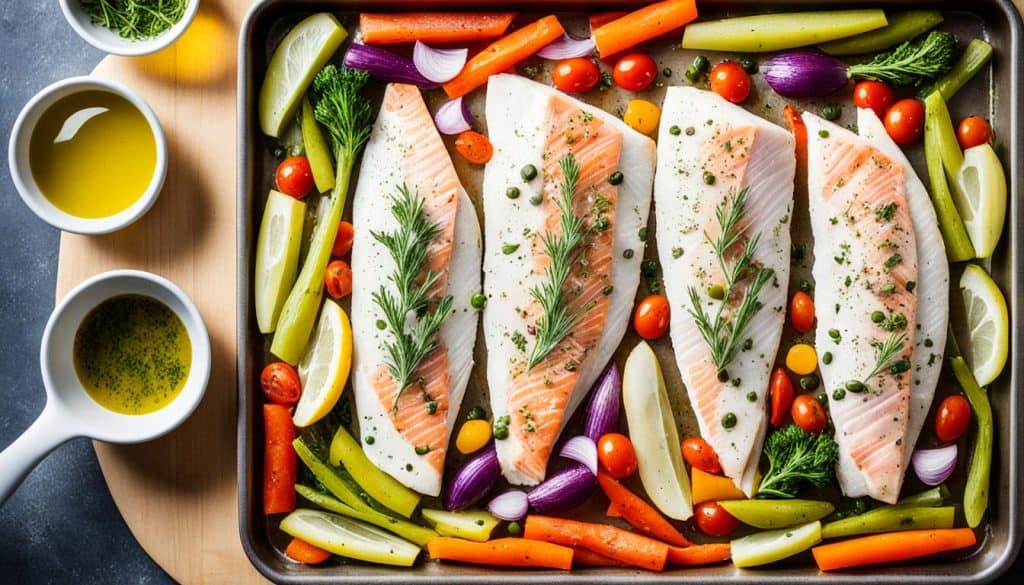
Sheet pan cooking has changed how I make meals, making it a key part of my easy cooking routine. These tools let me make tasty one-pan meals with little effort. Using the oven’s convection method means these meals need less stirring and checking than stovetop cooking.
Why Sheet Pans are Essential in Meal Prep
Sheet pan recipes are all about simplicity. They let different foods cook together, saving time and energy on busy days. I use both half-sheet and quarter-sheet pans for my cooking. Half-sheets are big enough for big meals, and quarter-sheets are great for smaller dishes or organizing ingredients.
Cleaning up is easy too. All the mess stays in the oven, and just one pan needs washing. I line my pans with parchment paper to make cleaning simple, especially for sticky foods. After washing, I dry my pans right away to avoid stains.
I suggest starting with two half-sheet pans and one quarter-sheet pan. Brands like Nordic Ware and Chicago Metallic make strong pans that last a long time. Using thicker sheets (13 to 18 gauge) means they work better and last longer, making them a good buy.
Sheet pans are great for making a quick dinner or organizing my produce. They make cooking easy and let me make tasty, healthy meals without a lot of work.
Cooking Techniques: Slow Roasting vs. Searing
Learning the differences between slow roasting and searing can change my cooking for the better. Each method has its own benefits that can greatly improve my dishes. This is especially true for flavor and texture.
Slow roasting makes meat tender and juicy, perfect for big cuts. It cooks at lower temperatures, between 275°F to 350°F. This slow heat breaks down tough meat, making it rich and moist. Recipes say it can take several hours to get it just right.
Searing, on the other hand, cooks quickly and locks in juices. It creates a tasty crust on the meat. This method is great for smaller, tender pieces. It gets that perfect golden-brown crust in just a few minutes on a hot stovetop or grill.
| Cooking Technique | Ideal Cuts | Temperature Range | Cooking Time | Flavor Profile |
|---|---|---|---|---|
| Slow Roasting | Larger cuts (e.g., brisket, pork shoulder) | 275°F – 350°F | 1 to 7+ hours | Tender, rich, and moist |
| Searing | Small, tender cuts (e.g., steaks, chicken breasts) | High heat | 5 to 20 minutes | Crisp exterior, juicy interior |
Choosing between slow roasting and searing depends on the meat and what I want to achieve. A comparison shows searing is quick, while slow roasting adds a rich flavor. Traditional cooking often favors slow roasting for its unique taste.
Creative Meal Prep Ideas to Inspire Your Cooking
Embracing creative meal prep turns cooking into an exciting adventure. I love focusing on different cuisines each week. For example, one week might be all about Italian dishes, while another celebrates Mediterranean flavors.
This approach adds variety to my meals and boosts my cooking inspiration. It makes even routine tasks fun and fresh.
Component cooking is key in my meal prep. I prepare proteins, grains, and a variety of vegetables ahead of time. This lets me mix and match throughout the week.
Having two to three proteins, one or two grains, and many veggies means endless options. Making pesto in advance is also a favorite of mine. It adds flavor to pasta, salads, and more, showing how versatile meal prep can be.
Adding innovative cooking ideas keeps meal prep exciting. Trying new sauces or vegetarian options can make a big difference. Preparing different components at once saves time and boosts creativity.
This ensures my meal prep stays exciting and balanced. Let’s keep the meal prep rhythm upbeat and flavorful!