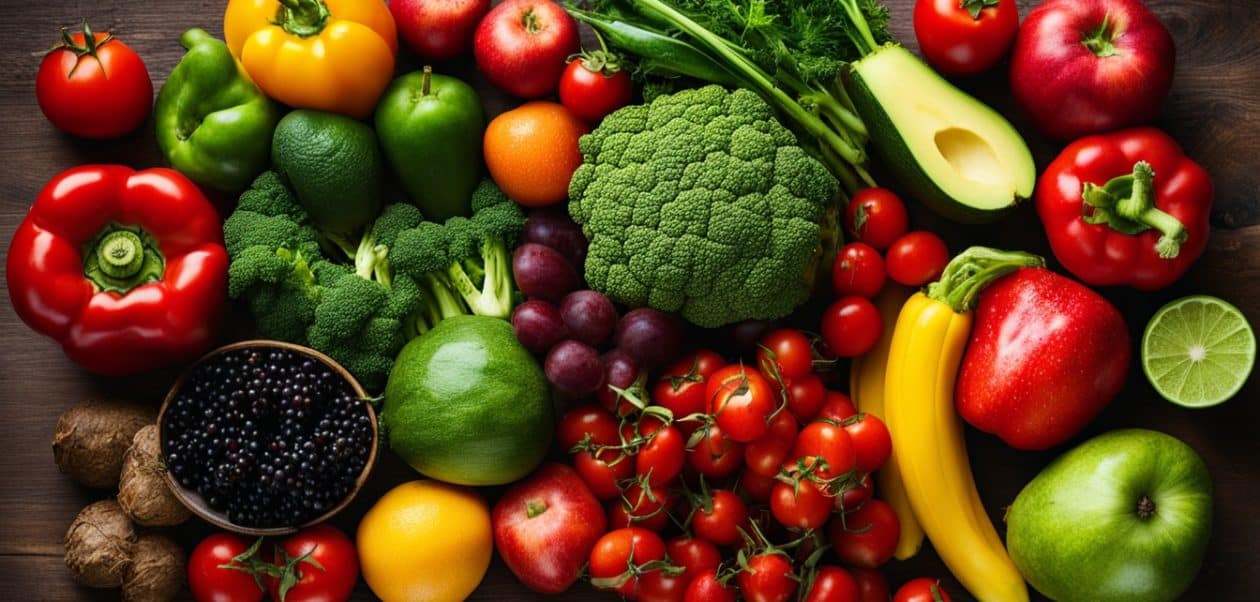
Every Sunday morning, I visit the local farmer’s market. It’s filled with vibrant colors and enticing aromas. These outings have changed how I see nourishing my body.
I used to eat a lot of processed foods and fast options. This habit made me feel tired and affected my wellness. But learning about nutrition changed everything. I learned about the balance of macronutrients and micronutrients. This knowledge showed me the value of healthy eating.
Now, I make better food choices. I’ve found that eating well can really improve your life.
In this article, I’ll share what I’ve learned from personal experience and trusted sources. We’ll explore the basics of carbs, proteins, fats, vitamins, and minerals. Join me to discover how understanding nutrition can lead to a healthier life.
Key Takeaways
- Understanding the role of macronutrients and micronutrients is essential for balanced eating.
- Healthy eating patterns can significantly improve overall wellness.
- Making informed food choices is crucial to long-term health.
- Portion control plays a vital role in maintaining a healthy diet.
- Personalized dietary guidelines can help tailor nutrition to individual needs.
Understanding Nutrition Basics
On my path to a healthier life, learning about nutrition basics was key. I learned about macronutrients and micronutrients, which are vital for our health. Knowing about these helped me improve my eating habits and make better choices.
What Are Macronutrients?
Macronutrients are the main parts of our diet, giving us energy for everyday tasks and important body functions. They include carbohydrates, proteins, and fats. Carbs are in fruits, grains, and dairy and are our main energy source. Proteins, from meats, fish, tofu, and beans, help with growth and fixing body tissues. Fats, like the healthy ones in olive oil and nuts, are important for many body processes.
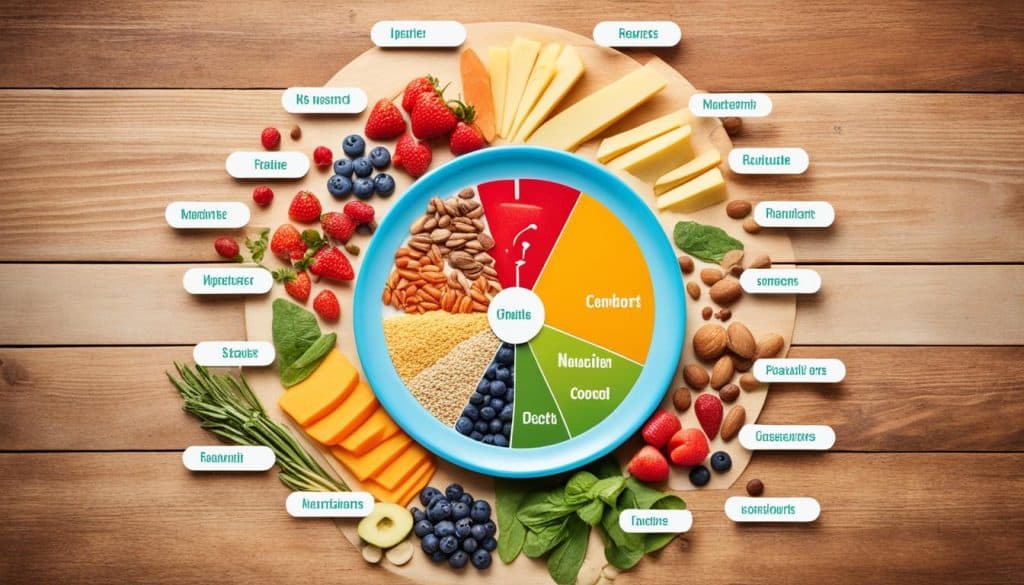
A good diet has these macronutrients in the right amounts, following the MyPlate Model. This means 50% fruits and veggies, 25% whole grains, and 25% protein.
The Role of Micronutrients
Micronutrients, like vitamins and minerals, are also crucial but needed in smaller amounts. They help with immune health, bone strength, and growth. Not getting enough of these can cause serious health problems.
Eating nutrient-rich foods, such as leafy greens and nuts, helps meet my daily needs. These foods are key to staying healthy.
How Daily Recommended Intakes Impact Your Diet
Knowing my daily recommended intakes changed how I eat. These guidelines make sure I get the right amount of nutrients every day. Following sources like the Australian Dietary Guidelines helps me make meals that are good for my health over time.
Understanding these guidelines helps me avoid eating too much ultra-processed food. Such foods are linked to obesity, heart disease, and bad mental health.
Healthy Eating Patterns to Promote Wellness
Starting with healthy eating patterns can boost your wellness. It starts with learning about a balanced plate. This means having different food groups in the right amounts. By choosing wisely, I can make meals that fill me up and keep me healthy.
Building a Balanced Plate
A balanced plate has a mix of food groups in the right amounts. For a 2,000 calorie diet, it includes 2 cups of fruits, 2½ cups of vegetables, and 3 cups of low-fat dairy. It also has 6 ounces of grains, 5½ ounces of protein, and 5 teaspoons of oils.
This mix makes sure my meals are full of vitamins and minerals. It helps me stay healthy.
Importance of Portion Control
Controlling portions is key to staying at a healthy weight and avoiding overeating. It helps me know the right serving sizes. This way, I can follow guidelines like eating less than 10% of calories from saturated fats and added sugars.
By watching my portions, I can enjoy many foods. This helps me stick to my nutrition goals.
Incorporating Fruits and Vegetables
Fruits and vegetables are essential for healthy eating. Many people don’t get enough of these foods. Adding a variety of colorful fruits and vegetables to my meals makes them tastier and healthier.
It also increases fiber and gives me important nutrients. I aim for at least 2 cups of fruits and 2½ cups of vegetables every day. This helps me meet my dietary needs.
Nutrition: The Key to a Healthy Lifestyle
Nutrition is key to a healthy life. It greatly affects my overall health. Knowing how food impacts my body helps me make better choices for my health.
A balanced diet can lower the risk of chronic diseases and boost energy. It also helps me feel better overall.
How Nutrition Affects Your Overall Health
Eating foods like fruits, vegetables, and whole grains can protect against heart disease and diabetes. By focusing on nutrition, I’ve seen my energy and mood improve. Experts recommend eating at least five fruits and vegetables a day and drinking six to eight glasses of water.
These habits are good for my body and mind. They help me stay focused and clear-headed.
Benefits of Personalized Dietary Guidelines
Personalized dietary guidelines make eating easier for me. They help me tailor my diet to my health needs and likes. For example, I try to keep my saturated fat intake low.
I aim for 30 grams a day if I’m a man and 20 grams if I’m a woman. This helps me stay at a healthy weight and lowers health risks.
Understanding Food Labels for Healthier Choices
Food labels give me a lot of information about what I eat. They help me understand the nutritional value of foods. I look at the ingredients list and check for sodium and added sugars.
Most of my sodium comes from packaged foods. So, I choose foods with less sodium to support my healthy lifestyle.
Diet Tips for Long-Term Success
Keeping a balanced diet can be tough, but there are easy tips to follow. Making smart food choices helps me succeed in my health goals. Swapping whole grains for refined grains adds more fiber and nutrients to my meals.
Smart Choices and Swaps for Nutrition
Eating whole foods like fruits and veggies boosts health. Swapping out snacks for healthier options helps avoid inflammation and chronic diseases. Having nuts or yogurt on hand helps control cravings and keeps me away from unhealthy snacks.
It’s key to be flexible and not follow strict rules. This way, I can still enjoy my favorite treats but in moderation.
Cooking at Home for Healthier Meals
Cooking at home is a great way to eat better. Restaurant food often has too much salt, sugar, and fat, leading to overeating. By cooking myself, I can choose what goes into my meals.
Studies show eating 4-5 meals or snacks a day helps with appetite control and weight management. I love trying new recipes with whole foods, making sure every meal is tasty and healthy.
Mindful Eating Practices for Better Digestion
Mindful eating is a big part of my diet. Paying attention to when I’m hungry and enjoying my food makes eating better. Keeping a food diary helps with weight loss.
Being aware of what I eat stops me from snacking mindlessly. This approach makes eating more enjoyable and keeps me on track with whole foods.
The Impact of Popular Diets on Nutrition
In recent years, many people have become interested in diets that promise quick weight loss. These diets often get attention because they show fast results. But, it’s important to look at their long-term effects on health.
For example, diets like the ketogenic and intermittent fasting can help with weight loss at first. But, how long they last is still up for debate. Studies show that eating like the Mediterranean diet is better for overall health.
Low-carb diets, such as Atkins, might help you lose weight at first. But, they don’t usually keep the weight off and can cause health issues. A better approach is to eat a variety of foods and aim for a 500-calorie deficit to lose weight safely.
This way, you lose weight at a steady pace of 1-2 pounds a week. It’s a healthier way to adjust your calorie intake while still getting the nutrients your body needs.
Diets like the GM diet promise quick weight loss but can be misleading. They might work fast but often don’t follow the body’s nutritional needs. This can lead to dehydration and not getting enough nutrients.
So, it’s best to focus on balanced nutrition and create a diet plan that fits your lifestyle and health goals. Understanding the nutritional effects of these diets can improve your health and help you have a better relationship with food.