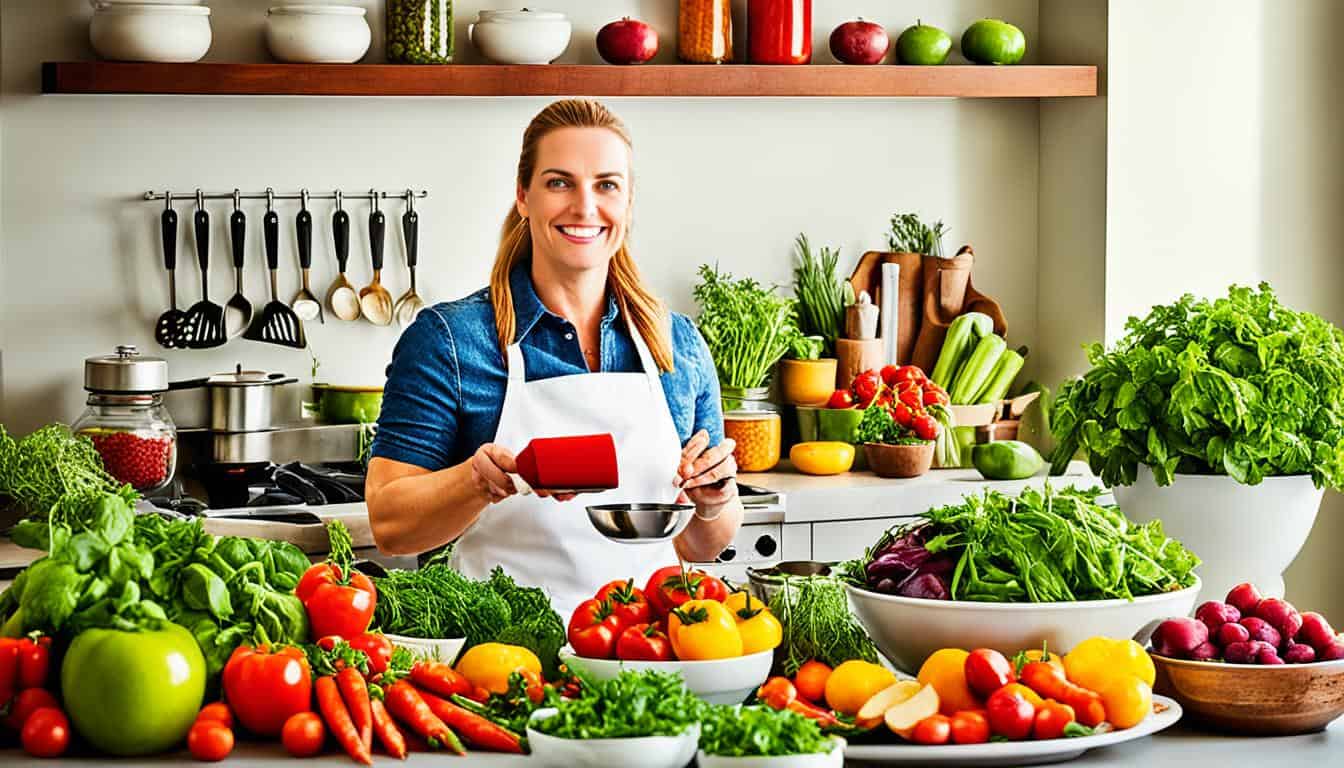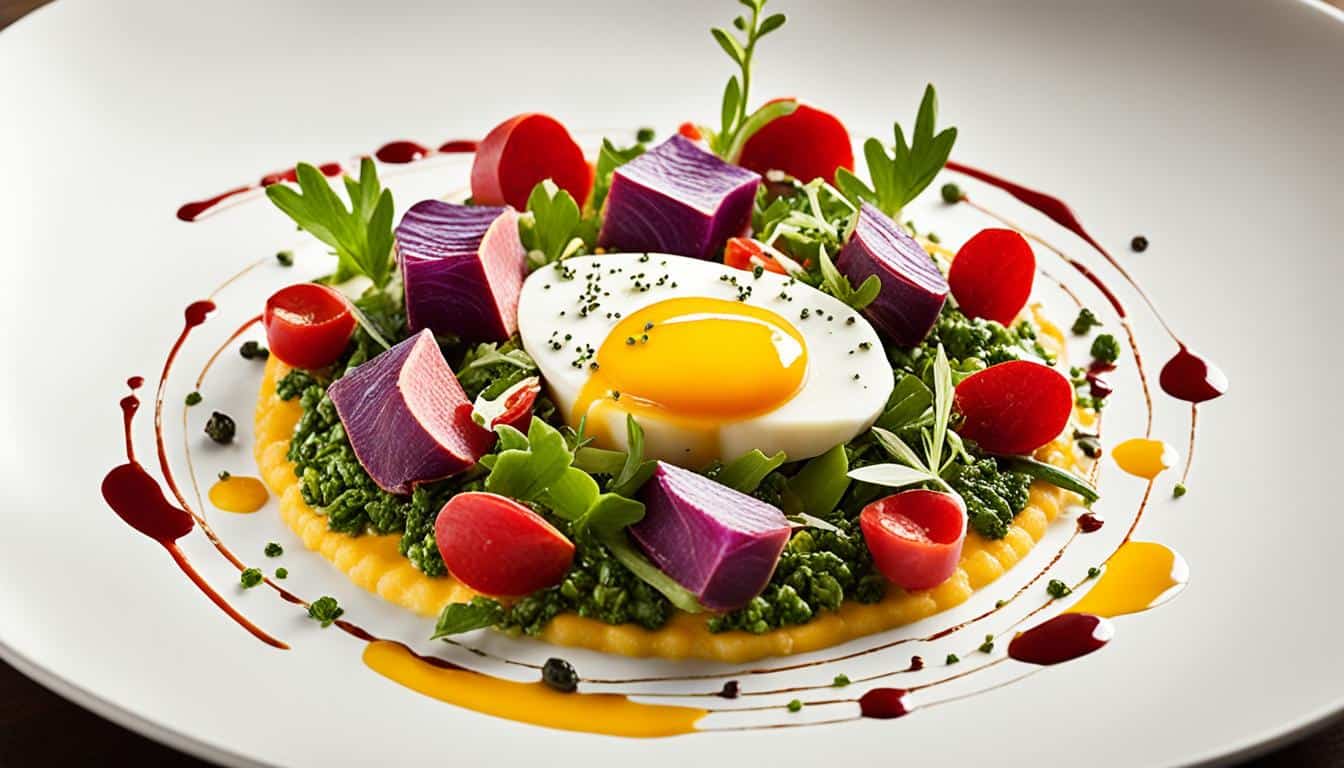
In my kitchen, I recall a vibrant event a few years ago. A friend, a passionate cook, hosted it. The air filled with the smells of sizzling tostones and slow-cooked pork, drawing everyone in. His dishes were not just tasty but also a feast for the eyes.
He mixed culinary art with stunning gourmet dishes. This turned each plate into a visual masterpiece. It made me think about how food styling and culinary art are part of our culture. From Frida Kahlo’s vibrant plates to street food by Fernando Botero, food is more than just food.
In this article, we’ll look at how food goes beyond being just food. It’s a form of creative expression that shows the essence of life.
Key Takeaways
- The intersection of culinary arts and visual arts enhances our appreciation for food.
- Food as a medium for artistic expression has roots in diverse historical and cultural contexts.
- Modern chefs are redefining food presentations, elevating meals into art forms.
- Social media plays a significant role in popularizing food art across communities.
- Culinary creations can serve as powerful narratives for social commentary and cultural identity.
The Historical Significance of Food in Art
Looking into the history of food art shows how deeply food is linked with human culture. From the start of prehistoric art to the detailed scenes in ancient times, food has been a strong symbol in art. It shows not just what we eat but also the beliefs and values of different societies over time.
The Roots of Culinary Representation in Prehistoric Art
The first signs of food in art go back to prehistoric art. Cave paintings showed hunting scenes. These images show food’s importance beyond just eating. It was key in rituals and bringing people together, showing its role in culture.
The Role of Food in Ancient Civilizations
In ancient civilizations like the Romans and Greeks, food art changed. It showed wealth and social rank. Food was not just for eating but also to show power and status. This change shows how food was more than just food, it was a way to show social rank.
Food Symbolism in Different Cultures
In many cultures, food symbolism has deep meanings. Food can stand for big life events, moral lessons, and spiritual beliefs. The way art shows food reflects a society’s core values. It shows how food goes beyond eating to be a key part of cultural stories.
Defining Food Art: Craft or Creativity?
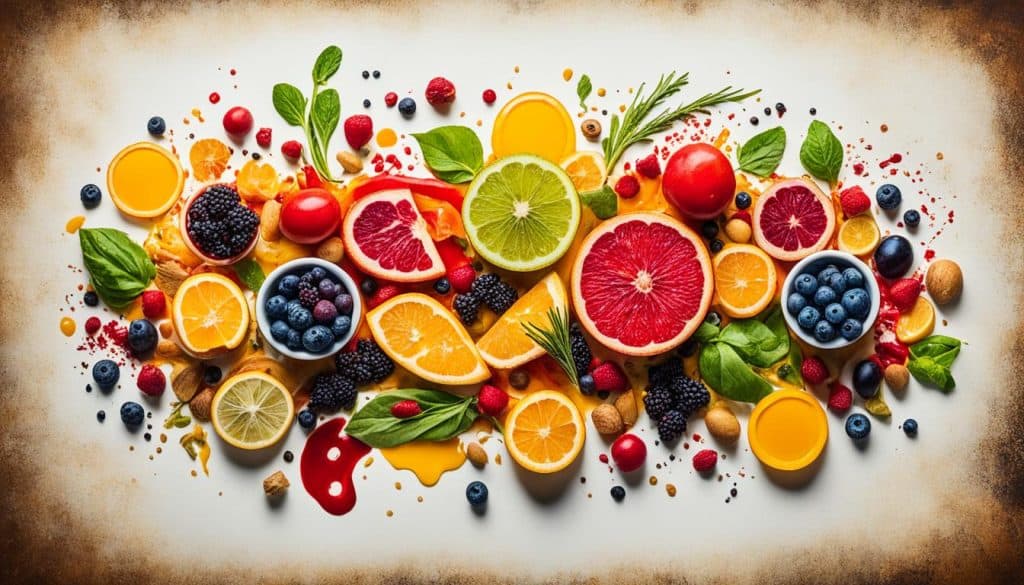
Food and art have always sparked debates among culinary and artistic experts. People ask if food is a craft or a form of culinary creativity. This discussion looks into what makes food more than just food. It shows that cooking is a mix of methods and goals.
The Debate Between Food as Craftsmanship and Art
Some see food as a craft, focusing on the skills and techniques needed in cooking. They say the need for consistency and following recipes limits food’s art status. Others believe in the creativity of cooking. They see each dish as a unique work, showing the chef’s style and vision.
Culinary creativity is seen in new flavor mixes or beautiful dishes. It shows the art in making a meal.
Perspectives from Renowned Chefs and Artists
Chefs like José Andrés and artist Will Cotton share their thoughts on food and cooking art. Chef Dominique Ansel thinks food engages the senses, making it more than a craft. He sees food as a way to connect with others, making each dish a personal story.
These ideas show how important both skill and creativity are in food art.
Food Art in Contemporary Culture
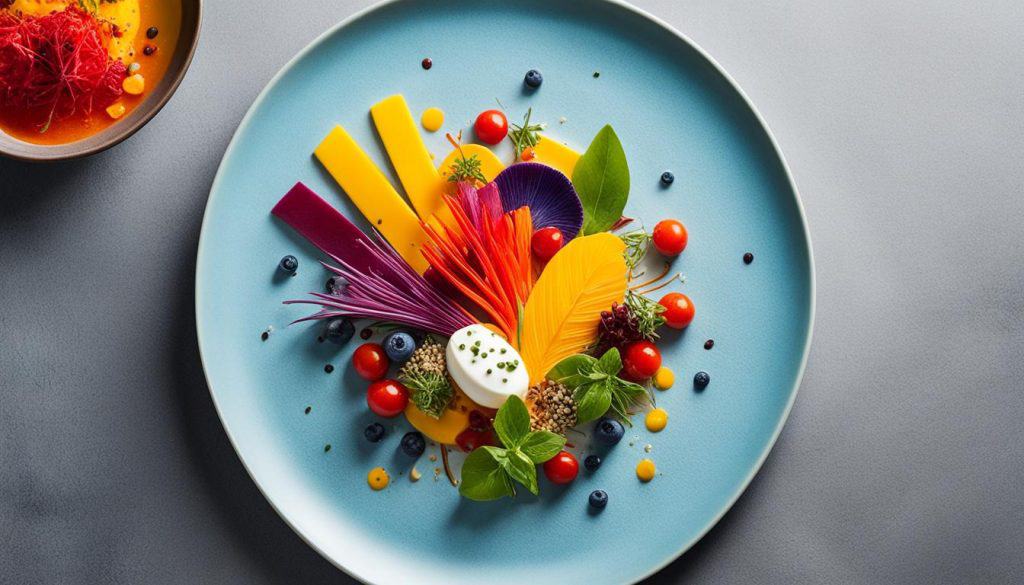
Today, modern chefs are taking food art to new heights. They see dishes as more than just meals. They blend creativity with flavor, making food a form of expression. This shift shows how food art is becoming a big part of our culture.
They use fancy plating and mix up ingredients in new ways. This makes eating an experience that touches all your senses. It’s not just about the taste, but how it looks and feels too.
How Modern Chefs are Redefining Culinary Artistry
Chefs like Daniel Humm turn meals into stories with their plates. They use new ways to make food art. This makes eating out an artistic adventure.
They add design to their cooking, making food more than just food. It’s about seeing, tasting, and feeling the meal. This way, they mix cooking skills with art.
Social Media’s Role in Popularizing Food Art
Social media has made food art more popular. Sites like Instagram and TikTok let people share beautiful dishes. Chefs use these platforms to show off their skills and spark creativity.
This online sharing creates a community. Food becomes a way to express culture and innovation. It’s not just eating; it’s a way to connect and inspire.
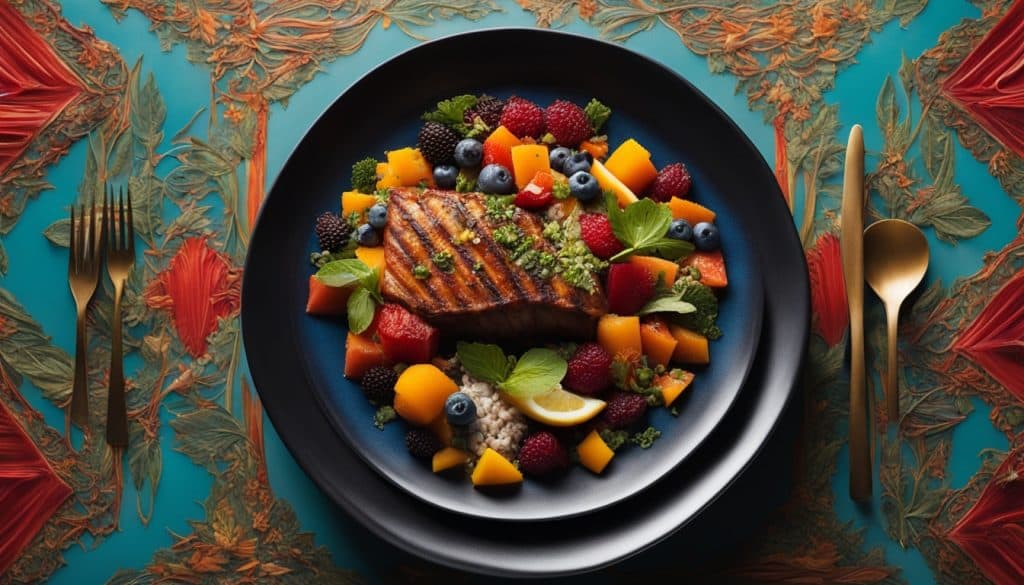
The Intersection of Culinary Artistry and Visual Arts
The connection between culinary art and visual arts is growing deeper. Artists and chefs find inspiration in food’s colors, textures, and cultural importance. This link shows how people can enjoy both food and art in new ways.
Famous Artists and Their Culinary Inspirations
Many famous artists look to food for inspiration. Frida Kahlo used food to express her cultural roots and personal stories. Fernando Botero’s art about food talks about enjoying life and the role of food in our lives.
These artists show how food can tell us more about society and ourselves.
Art Movements that Incorporated Food
Food has been a part of many art movements. The Surrealists used food to explore the subconscious mind. Pop Art artists like Wayne Thiebaud made us think differently about everyday foods.
Today, the mix of culinary art and visual arts keeps growing. It reflects our changing culture and new food technologies.
Food Art: A Sensory Exploration
Food art is more than just how a dish looks. It’s about engaging our senses of sight, smell, taste, touch, and sound. Each dish styled with care can make us excited before we even take a bite. It turns a simple meal into something we’ll remember.
The way food is presented is crucial. It sets the mood for what’s to come. With its beautiful colors and textures, food invites us to explore and enjoy.
Engaging All Senses Through Culinary Presentation
Every part of food styling helps us connect more with our meals. The bright colors of a dish can make us feel happy and excited. The smell of a meal being prepared can tease us with the flavors to come.
The textures of ingredients invite us to touch and explore. This makes dining more interactive. When we engage all our senses, a meal becomes a full sensory experience in food art.
The Importance of Aesthetic Appeal in Food Styling
Aesthetic appeal in food styling makes a dish look like art. Seeing a meal presented creatively fills us with wonder and makes us look forward to eating it. It shows off the chef’s skill and tells us about the dish.
Beautifully arranged plates can make us curious, especially about new foods. They can also make us feel certain emotions, making dining more enjoyable. Using food art can help kids be more open to trying new foods, making meals fun and appealing.
Food Art as a Medium for Social Commentary
Food has become a strong way to talk about big issues like politics and society. Artists use food to make us think differently about what we eat and how we waste it. For example, Gastromotiva, started by Chef David Hertz in 2006, has helped over 3,500 people from low-income areas get jobs in the food industry. This shows how food can help improve lives and solve big problems like food insecurity.
How Food is Used to Address Socio-Political Issues
Chef Hertz’s work shows how cooking can be a form of activism. His program gives people kitchen skills and training in hospitality, and most of them find jobs within two years. The Refettorio Gastromotiva, set up during the 2016 Olympics in Rio, is another great example. It used leftover food to feed the homeless, cutting down on waste and starting conversations about hunger and being sustainable.
Case Studies of Artists Using Food as a Narrative Tool
Lazy Mom, made up of Josie Keefe and Phyllis Ma, show how food can tell stories and make us think. They work with brands like Ace Hotel, mixing business with social causes. This mix makes people think more about how we eat and waste food. More artists are using food to share their views, showing a big change where food is more than just food—it’s a way to learn about the world.
Healing and Connection: Food Art as Community Builder
Food is a universal language that connects people and builds communities. The Dog Tag Bakery in Georgetown is a great example. It helps veterans adjust to civilian life with delicious treats and a fellowship program. This program connects veterans and locals, making a strong community bond.
The Veterans Healing Farm in North Carolina is another place where food heals. It offers gardening and farming workshops for veterans. These activities create a sense of friendship and support, helping veterans heal and make new friends.
Events like Healing While Black 2023 show how food brings people together. They offer mental wellness resources, performances, and art that makes us think and connect. These events prove that food can be a powerful tool for unity.
The Culinary Institute of America’s Military Foodservice Awards also highlight the healing power of food. They honor military chefs and encourage veterans to pursue culinary careers. These awards celebrate culinary art and foster community engagement. They show that food can heal and promote social equality.
Through shared meals and experiences, food art can make communities stronger and healthier. These stories show the impact of food in building connections and fostering healing.