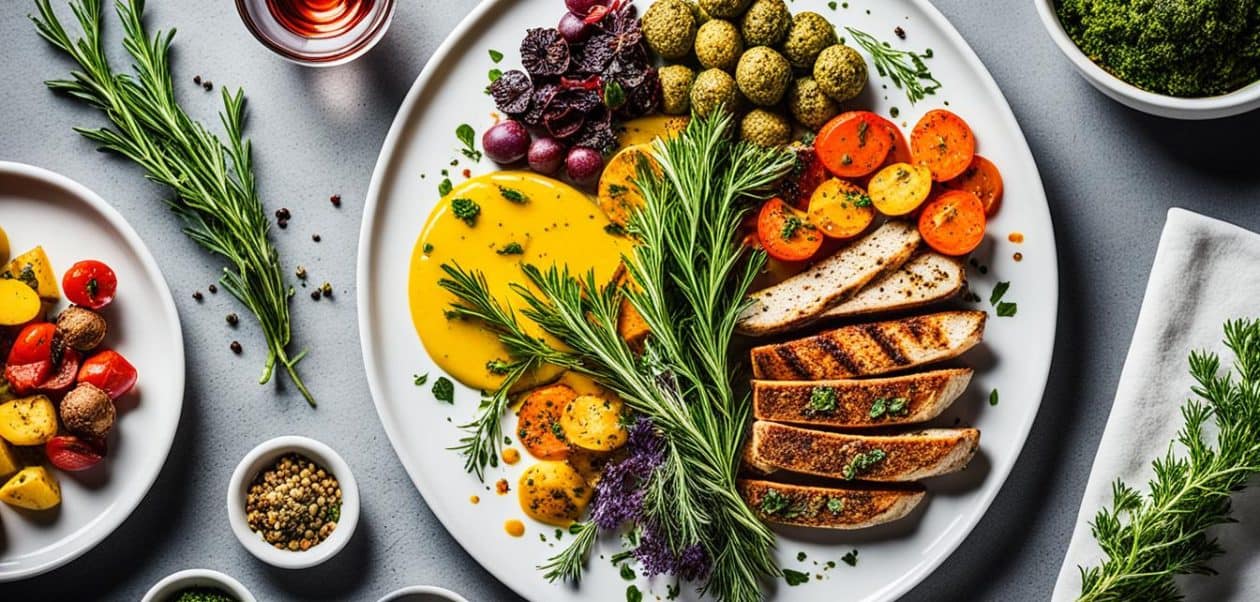
As I stood in my kitchen, looking at a bowl of simple ingredients, I remembered my early cooking days. I learned that it’s not the ingredients that make a dish great, but how you cook them. With just olive oil and salt, I turned those simple items into a flavorful salsa. My friends loved it, praising my cooking skills. This showed me the power of cooking: with the right techniques, even simple meals can become amazing.
Over time, I’ve learned that mastering key cooking techniques is crucial. It’s about making the most of what you have. From using sharp knives to searing meat right, these skills can change how you cook. In this article, I’ll share tips and techniques that make cooking fun and rewarding.
Key Takeaways
- Quality ingredients, including fresh herbs and seasonal produce, significantly enhance flavor.
- Proper seasoning with salt, acid, or oils elevates the taste of dishes immensely.
- Understanding cooking techniques like roasting and sautéing maximizes flavor potential.
- Investing time in knife skills increases efficiency and presentation in the kitchen.
- Experimenting with new recipes keeps meals exciting and expands culinary knowledge.
- Marinating ingredients can deeply enhance flavors and tenderness.
The Importance of Cooking Techniques in Everyday Meals
Cooking techniques are key to making my meals special. They help me create healthier dishes with more flavors. Many people prefer microwave meals or takeout because cooking seems hard. But, the right techniques make cooking easy and fun.
Using different cooking methods lets me bring out the best in my food. French cooking has a long history, dating back to the 14th century. Famous chefs like François Pierre La Varenne and Georges Auguste Escoffier introduced techniques like flambéing and sautéing. These methods are crucial for any chef wanting to improve their skills.
French cuisine has spread worldwide, influencing places like England and America. Many dishes use French sauces and methods, making meals exciting. Knowing techniques like Bouquet garni and Chiffonade helps me impress my guests.
Learning about the five mother sauces of French cooking can change my cooking. These sauces are the base for many dishes, offering creativity. Ingredients like Herbs de Provence and garlic add depth to my meals.
Techniques like the Maillard reaction and denaturation make food taste better. Cooking oils with their smoke points also play a big role in perfecting my dishes.
By exploring various cooking techniques, my meals become healthier and more creative. Embracing these methods turns everyday cooking into a fun and tasty journey.
Transform Simple Ingredients with Expert Culinary Skills
Exploring the world of cooking often means getting creative with basic ingredients we have at home. By thinking outside the box, I can turn everyday dishes into something special. This way, I make the most of what I have to create tasty meals.
Using what you have: Learn creativity in the kitchen
Being creative in the kitchen is all about being resourceful. It’s about seeing the potential in common pantry items. For example, a can of beans or a bag of frozen veggies can be the start of something amazing. The secret is in making smart substitutions.
If I don’t have fresh basil, dried herbs can still add that great flavor. Making small changes can make a big difference. It surprises my family and friends with new tastes.
Strategies to jazz up everyday dishes
Improving everyday dishes doesn’t need fancy ingredients. It’s all about using smart techniques and pairings. Here are some tips to keep meals exciting:
| Strategy | Description | Examples |
|---|---|---|
| Seasoning | Layer flavors using spices and herbs. | Cumin in beans, garlic in vegetables. |
| Cooking Methods | Experiment with different cooking techniques to change textures. | Roasting veggies vs. steaming them. |
| Visual Appeal | Incorporating color and texture to make meals visually stunning. | Mixing colorful bell peppers and greens on a plate. |
With these tips, I can make everyday meals look and taste better. By mixing basic cooking skills with creative pairings, I craft meals that are both filling and thrilling. This approach transforms simple ingredients into unforgettable dishes.
Essential Cooking Techniques to Master
Learning key cooking skills is vital for any home chef. Knife skills are a must for safe and precise cooking. They help with chopping, dicing, and julienning, making meal prep easier.
Starting with the basics: Knife skills
Knife skills boost kitchen efficiency. Knowing how to chop onions, mince garlic, and slice avocados adds variety to my cooking. For instance, I can chop garlic with a chef’s knife or a garlic press, depending on the recipe.
Practicing these skills makes me more confident in the kitchen.
How to master the art of roasting
Roasting brings out amazing flavors. It’s great for caramelizing veggies and meats, making meals hearty. Choosing the right meat, seasoning it well, and knowing the right timing is key.
I use foil in my pans for easy cleanup and even cooking. Mastering roasting has changed how I prepare meals.
Cooking Techniques: The Secret to Delicious Meals
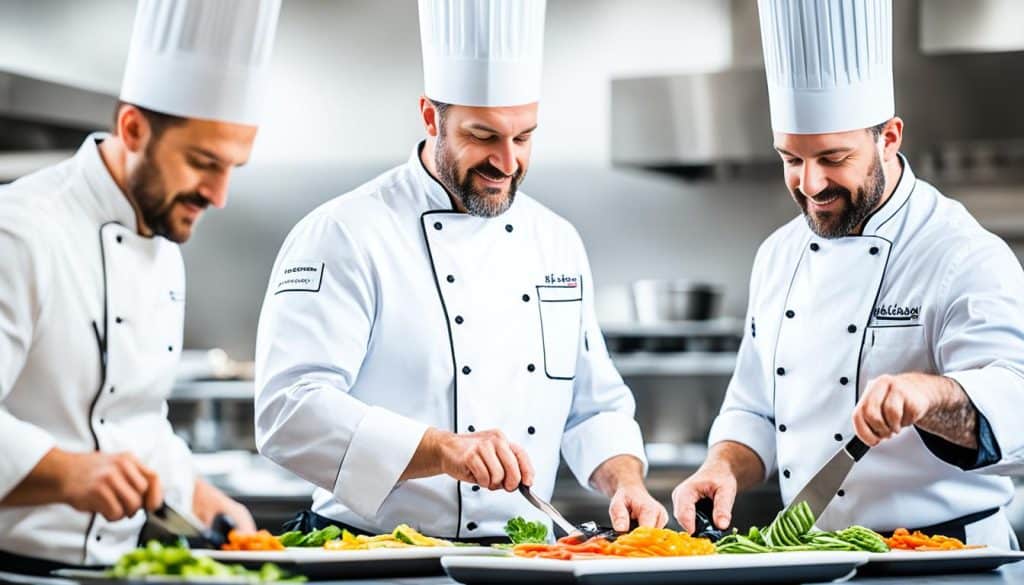
Mastering different cooking techniques is key to making delicious meals. It’s about turning simple ingredients into something special. Sautéing, steaming, and braising show how cooking is both an art and a science.
These methods boost flavor and texture, making dishes look and taste better. Learning secrets like ‘mise-en-place’ helps me work better, just like professional chefs. Having good kitchen tools, like sharp knives and reliable pots, makes cooking smoother and leads to better meals.
Tasting as you cook is also vital. Many cooks adjust seasonings on the go to keep flavors right. The Maillard reaction, which happens when meats are roasted, adds a rich taste. To get the best flavor from roasted vegetables, keep the temperature at 425 degrees and don’t overcrowd the pan.
Choosing fresh ingredients is also key. Today, restaurants offer markets for top-quality produce. By picking the best ingredients, I make my meals much better. With practice and a commitment to learning new techniques, anyone can make dishes that wow.
| Cooking Technique | Description | Key Benefits |
|---|---|---|
| Sautéing | Cooking food quickly in a small amount of oil over high heat. | Retains nutrients and flavors; quick cooking time. |
| Steaming | Using steam to cook food while preserving moisture. | Healthy cooking method; maintains texture and color. |
| Braising | Slow cooking method that combines wet and dry heat. | Enhances flavors; tenderizes tough cuts of meat. |
By using these techniques, I can turn simple ingredients into unforgettable dishes. My kitchen journey is all about learning and trying new things to improve my culinary skills. Every meal is a chance to explore new flavors and get better at cooking.
Preparing Flavorful Dishes with Limited Ingredients
Cooking with a small pantry can be fun and challenging. I aim to make tasty dishes using just a few items. By trying new techniques and using what I have, I can make simple meals special.
Replicating complex flavors at home
One top tip for saving money in the kitchen is using cooking methods that boost flavors. Slow cookers turn tough meat into tender, juicy dishes. I make hearty soups and sauces that are full of flavor with little effort.
The Instant Pot is great for quick, flavorful meals. It adds variety to my meals without a lot of prep work.
Tips for economical cooking without sacrificing flavor
Being frugal doesn’t mean meals have to be boring. Planning my meals helps reduce stress and keeps my diet balanced. Buying grains, beans, and spices in bulk saves money and ensures I always have enough.
I also enjoy turning leftovers into new dishes. This saves money and helps reduce waste.
Many of my go-to recipes use just four ingredients or less. For example, buffalo chicken sliders and simple pot roast are favorites. These dishes are tasty and easy on the wallet. Focusing on simple, impressive recipes lets me avoid processed foods and control what goes into my meals.
Elevate Your Breakfast Game with Simple Techniques
Breakfast can be a delightful start to the day, turning even the most rushed mornings into a culinary experience. With the right techniques, you can add flair and flavor to your morning meal. This makes scrambled eggs, pancakes, and omelets a breeze to master. I’ll share some essential methods for creating the perfect breakfast classics that will impress anyone at the table.
Creating the perfect scrambled eggs
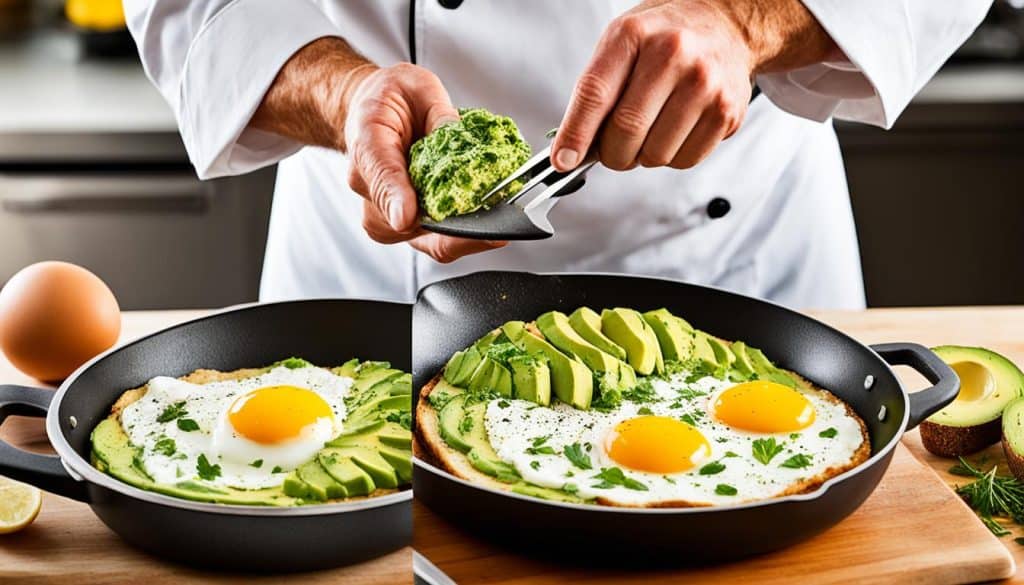
To make fluffy scrambled eggs, use fresh, room-temperature eggs. This small detail can make a big difference in texture and taste. Cook four large eggs in a medium-heat skillet for 3 to 5 minutes for the perfect consistency.
Using a high-quality pan like the Artistry Non-Stick Fry Pan from Ecolution ensures even heat. This is crucial for achieving those creamy, soft curds everyone loves. Add toppings like grated cheese or fresh herbs to take it to the next level.
Mastering breakfast basics: Pancakes and omelets
Pancakes are a breakfast favorite that can be made special with a few simple steps. Start by letting the batter rest to let the flour hydrate fully. When pouring the batter onto a heated griddle, flip it when bubbles form on the surface for perfectly cooked pancakes every time.
For omelets, cook over medium heat and use a non-stick surface. Fill your omelet with diced vegetables, cheeses, or even Canadian bacon for added flavor. This ensures an enjoyable breakfast experience at any gathering.
Advanced Cooking Techniques to Impress Guests
When I aim to wow my guests, I turn to classic dishes. Mastering advanced cooking techniques boosts the flavor and presentation of my meals. Roast chicken is a dish that always gets rave reviews. It needs precision, from brining to timing, to get the skin crispy and the meat juicy and tasty.
Perfecting the roast chicken
I start with brining my roast chicken. This method soaks the chicken in a salty water mix, adding moisture and flavor. I use a thermometer to get the chicken to the perfect temperature. This makes my roast chicken a hit with my guests every time.
Bringing the French fry to the next level
Then, I focus on making my French fries stand out. Elevating fries can turn a simple side into a star of the show. I soak the cut potatoes in cold water to remove starch, ensuring crispiness. Double frying gives them a golden look and a soft inside. Seasonings like truffle oil or garlic powder add a burst of flavor, making them a hit with guests.
Understanding Sauces: The Backbone of Great Cooking
Sauces are key to making a dish stand out. They add essential flavors that take a meal to the next level. From creamy béchamel to rich tomato sauce, knowing how to use them is crucial.
French mother sauces like béchamel, velouté, and tomato are the basics. Mastering them takes time and effort. Getting the right consistency and taste is key.
Having the right ingredients in your pantry is a must for making sauces. Stocks, vinegars, and seasonings add depth to your dishes. Stocks come in different types, including white, brown, and vegetable, which are essential for many recipes.
| Type of Sauce | Main Ingredients | Common Uses |
|---|---|---|
| Béchamel | Milk, butter, flour | Lasagna, macaroni and cheese |
| Velouté | Stock, roux | Chicken or fish dishes |
| Espagnole | Brown stock, mirepoix, tomatoes | Stews, braises |
| Tomato | Tomatoes, onions, spices | Pasta, pizza |
| Hollandaise | Eggs, butter, lemon | Eggs Benedict, asparagus |
Choosing the right sides for your dishes can make a big difference. Sauces can be sweet or savory, enhancing the main ingredients. By tasting and adjusting as you cook, you can make sure the flavors work well together. Using quality ingredients and the right amounts ensures delicious results every time.
Techniques for Cooking Healthy and Delicious Fish
Cooking fish can seem tough, but the right techniques make it fun and rewarding. Using healthy cooking methods keeps your fish moist and full of flavor. Learning how to grill, bake, or poach can make your seafood dishes better and more nutritious.
Tips for avoiding dry fish
It’s key to avoid dry fish for a great meal. Baking is better than frying because it keeps more omega-3 fatty acids. Grilling or poaching can also give you great results. For grilling, use thick cuts like salmon or mahi mahi to keep them moist.
Make sure the fish is cooked to an internal temperature of 135°F to 140°F. This ensures it’s just right. Most fish cook quickly, taking less than 15 minutes, perfect for a fast weeknight meal.
Incorporating sustainable seafood into your meals
Choosing sustainable seafood is good for you and the planet. Eating fish a few times a week gives you important nutrients like omega-3 fatty acids. These are good for your heart and brain.
Try to pick fish from sustainable sources, like wild-caught salmon or responsibly farmed tilapia. Look for certifications or local markets that focus on sustainability. Using healthy cooking methods and choosing sustainable seafood lets you enjoy tasty meals and help the environment.
Making Pasta from Scratch: A Useful Kitchen Skill
Making homemade pasta connects me to my culinary roots. It turns simple ingredients into delicious meals. It’s a skill that starts with knowing the basics.
Essential ingredients for homemade pasta
The key ingredients for homemade pasta are:
| Ingredient | Measurement | Description |
|---|---|---|
| Tipo 00 flour | 300g | Provides a silky texture ideal for fresh pasta. |
| Eggs | 3 large + 1 yolk | Creates a rich flavor and color. |
For a hearty texture, I sometimes use semolina flour or other flours like rye or buckwheat. Flour with 10-13% protein works best for making pasta.
Letting the pasta dough rest at room temperature for at least 60 minutes makes it better. It becomes more hydrated and easier to work with.
Techniques to shape and fill pasta
After resting, I can shape and fill the dough. I roll it into sheets for different types of pasta, like tagliolini or fettuccine. A pasta machine helps, needing about 10 minutes of resting and kneading.
For filled pasta like ravioli, air-drying the sheets for 15-20 minutes helps prevent sticking. Then, I can fill them with cheese or vegetables.
Cooking times for fresh pasta vary. Tagliolini or spaghetti cooks in 3 to 5 minutes. Ravioli takes 8 to 15 minutes. I can store leftover dough in the fridge for up to 24 hours or freeze it for a month.
Mastering the Art of Grilling
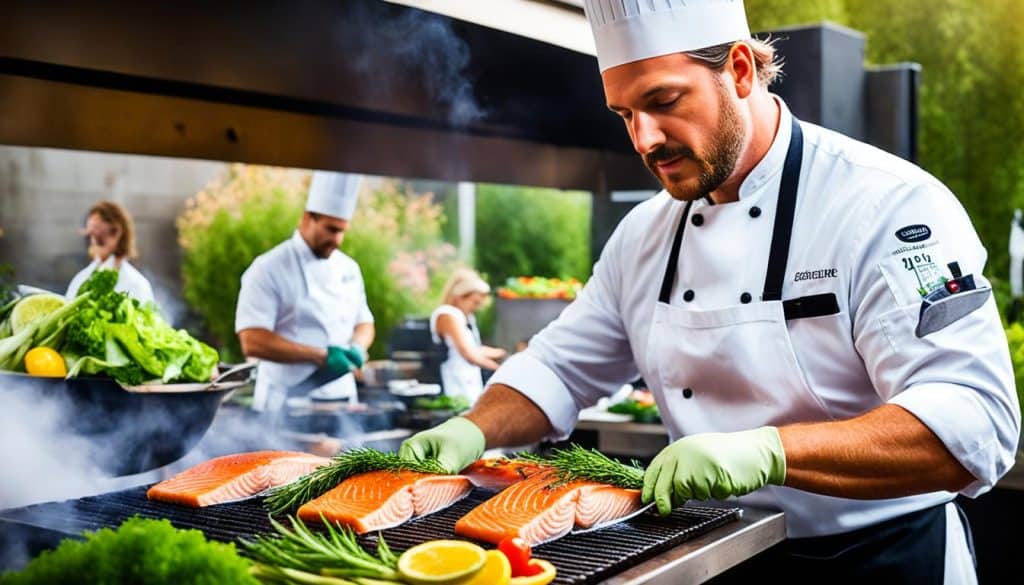
Grilling is a special way to cook that brings out strong flavors in food. To get better at grilling, I use effective techniques that improve my outdoor cooking. I start by heating the grill for 15-20 minutes with the lid closed. This makes sure everything is hot, preventing sticking and ensuring even cooking.
For charcoal grilling, a charcoal chimney helps me get the right temperature. It lets me use direct or indirect heat, which is good for many foods. I clean the grill grates often to avoid old food bits that can affect taste. I remove ash and clean the grill to prevent flare-ups and burning.
It’s important to control flare-ups and prevent charring. I always have a spray bottle ready to put out flames. I create a cool zone on the grill to move food away from direct heat when needed. A good instant-read thermometer helps me check the grill temperature. This ensures meats cook right without overcooking.
After grilling, letting meat rest for 10 minutes makes it juicier and tastier. Simple seasonings like salt, pepper, and spices often make food delicious. Trying new things helps me improve my grilling skills. Each time I grill, I learn more about different grills and recipes.
Smart Tips for Time Management in the Kitchen
Improving my cooking starts with managing my time well in the kitchen. Planning is key, like when making Pizza Snacks. I add up tasks like gathering ingredients and chopping veggies to know how long it will take. This keeps me organized and avoids last-minute stress.
Another tip is “mise en place,” or preparing all ingredients before cooking. This makes my kitchen run smoother. I gather all I need before starting, so I don’t waste time looking for things. I also keep my kitchen clean and my tools ready, which helps me cook without interruptions.
Lastly, multitasking is a big help in the kitchen. While the chicken roasts, I can work on a salad. Cleaning as I go, like washing utensils right away, makes cleanup easier. These tips help me enjoy cooking and make delicious meals without the usual stress.