
As I put on my running shoes one morning, I felt really tired from my last marathon training. I remembered a nutrition workshop I went to. The speaker talked about how eating right is key for athletes. It showed me that my diet was missing important nutrients for my workouts.
I learned that athletes need a lot of calories, over 2,400 to 3,000 for men and 2,200 to 2,700 for women. But it’s not just about eating a lot. I started focusing on eating foods that are full of nutrients to help my performance and recovery.
In sports nutrition, what we eat can make a big difference. Carbs are a main source of energy, so I started to balance my diet better. Eating right can really change how well I do in sports.
Let’s explore how we can eat better to improve our performance!
Key Takeaways
- Athletes need a significantly higher caloric intake based on their training intensity.
- Nutrient-dense foods are vital for enhancing performance and recovery.
- Carbohydrates serve as the primary fuel source, providing 4 kcal/gram of energy.
- Pay attention to hydration, as even a small drop in fluid can affect performance.
- Aim for at least five servings of fruits and vegetables daily for optimal nutrition.
- Plan meals around your specific energy needs to maximize training results.
- Consider meal timing and composition to minimize gastrointestinal issues before events.
The Importance of Nutrition for Athletes
Nutrition is key for athletes like me. It’s important to know how much energy we need to perform well and recover. It’s not just about what we eat, but how it helps our health and performance.
Understanding Energy Needs
Energy needs change with how hard and long we train. The Dietary Guidelines suggest different food ratios based on our activity levels. Carbs should be 45% to 65% of our calories, proteins 10% to 30%, and fats 25% to 35%.
Carbs can be 5 to 8 g/kg for moderate training, up to 8 to 10 g/kg for hard training. Proteins range from 1.2 to 2.0 g/kg, depending on our training and goals. Fats can be 30% of our calories, but can go up to 50% if needed.
| Age Group | Male Energy Needs (Kcal/day) | Female Energy Needs (Kcal/day) |
|---|---|---|
| 4–6 years | 1800 | 1800 |
| 7–10 years | 2000 | 2000 |
| 11–14 years | 2500 | 2200 |
| 15–18 years | 3000 | 2200 |
How Nutrition Impacts Performance
Nutrition affects how well we perform. It helps with muscle repair, hormone balance, and keeping our immune system strong. If we don’t get enough calories, our performance drops. I’ve seen how not eating right can hurt my training and competitions.
To do our best, eating well is crucial. Eating the right mix of carbs and protein before and after exercise helps a lot. I use recovery foods with carbs and proteins within 30 minutes after working out to recharge.
Healthy Eating for Athletes: Key Principles
For athletes, eating right is key to doing their best. A diet rich in nutrients and balanced is crucial. It fuels workouts, helps with recovery, and lets athletes meet their goals.
Balancing Macronutrients
Athletes need the right mix of macronutrients for energy and top performance. Aim for 55% to 60% carbs, 10% to 15% protein, and up to 30% healthy fats. Carbs give energy for hard workouts. Protein helps fix muscles, and healthy fats keep energy up and support health.
Choosing Nutrient-Dense Foods
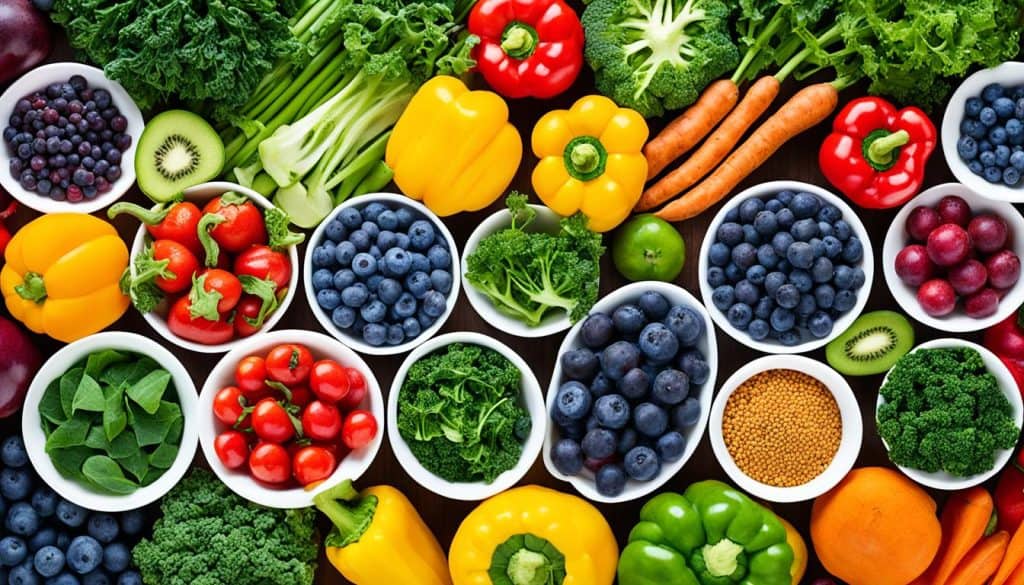
It’s important for athletes to eat foods packed with nutrients. Whole grains, lean proteins, fruits, and veggies should be main foods. Foods high in vitamins and minerals, like dairy and leafy greens, keep energy up and aid in recovery. Eating a mix of these foods boosts performance and prevents nutrient shortages.
| Macronutrient | Recommended Percentage | Food Sources |
|---|---|---|
| Carbohydrates | 55% – 60% | Whole grains, fruits, vegetables |
| Protein | 10% – 15% | Lean meats, dairy, eggs, nuts |
| Healthy Fats | Up to 30% | Nuts, seeds, avocados, olive oil |
Following these principles helps athletes train well and recover fast. This leads to better performance in competitions.
Carbohydrates: The Athlete’s Primary Fuel
When I explore sports nutrition, it’s clear: carbohydrates are key for athletes. They give energy, especially during intense training and events. Knowing the best carbs and how to load up can boost performance.
Types of Healthy Carbohydrates
Healthy carbs should be a big part of an athlete’s diet. Here are some top choices:
- Whole grains: Brown rice, quinoa, and oats are top picks.
- Fruits: Bananas, apples, and berries give carbs and vitamins.
- Vegetables: Leafy greens and root veggies are full of fiber and energy.
- Legumes: Beans, lentils, and peas have carbs and protein for recovery.
Eating these foods helps me stay energized for workouts. Athletes should eat 3-12 grams of carbs per kilogram of body weight daily, based on their training.
Carbohydrate Loading Strategies
For long events, loading up on carbs is smart. This means eating more carbs to fill up glycogen stores before the big day. Here’s what I do before an event:
| Timing | Carbohydrate Intake | Meal Example |
|---|---|---|
| 1 hour or less | 30 grams | Banana or sports drink |
| 2-3 hours | 90 grams | Bagel with peanut butter |
| 3-4 hours | 150 grams | Pasta with vegetables |
For events over 60 minutes, I use sports drinks with 6-8% carbs to keep up energy. After exercising, a shake with carbs and protein within 15-30 minutes helps me recover.
Choosing the right carbs and loading up smart can really help on competition day. Being well-fueled lets me focus on my goals with confidence.
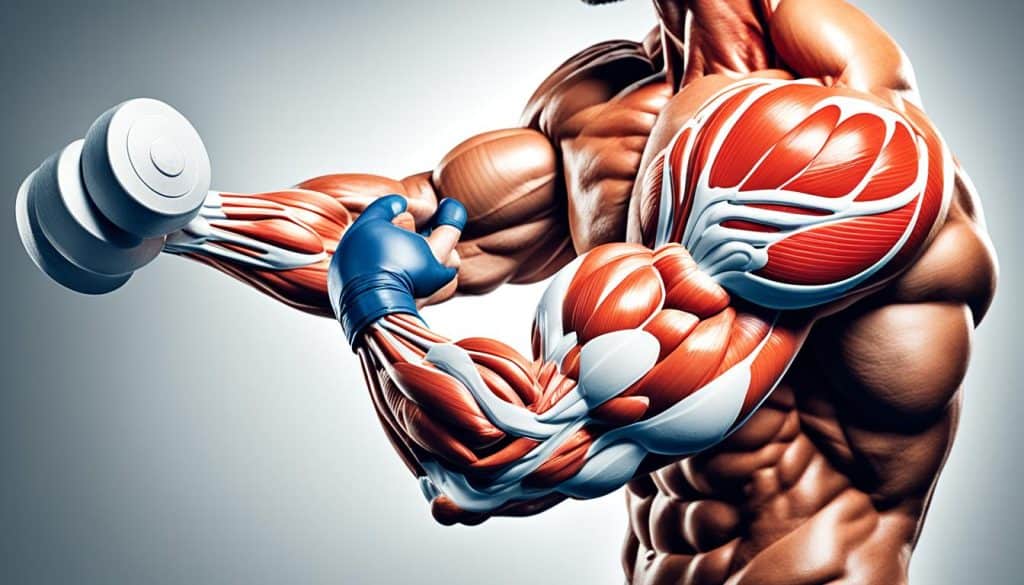
Protein: Essential for Muscle Repair
Protein is key for fixing muscles after exercise, especially for athletes. Getting the right amount of protein helps with recovery and boosts performance. Knowing the recommended protein sources and how much you need is crucial for good nutrition.
Recommended Protein Sources
There are many top-notch protein sources out there. Mixing different types in my meals helps repair muscles well. Here are some great choices:
| Protein Source | Protein per 3 oz Serving (grams) |
|---|---|
| Chicken Breast | 24 |
| Salmon | 21 |
| Ground Beef | 22 |
| Greek Yogurt | 18-22 |
| Tofu | 8-11 |
| Egg | 6 |
Quality sources like beef, poultry, fish, eggs, and dairy are great for recovery. Adding plant-based proteins ensures you get all the amino acids you need.
How Much Protein Do You Need?
It’s important to know how much protein to eat as an athlete. Most active people should aim for 0.55 to 0.91 grams of protein per pound of body weight daily. Young athletes might need more, up to two to three times the daily recommended amount.
| Age Group | RDA (grams per day) |
|---|---|
| Teenage Girls | 46 |
| Teenage Boys | 52 |
Spread out your protein intake during the day, especially after exercise, for best recovery. But don’t overdo it, as too much protein won’t help muscles grow. It’s important to get enough without eating too much.
Healthy Fats: Supporting Energy and Hormones
Healthy fats are key for athletes, boosting energy and hormone balance. They help with calorie needs and overall health. Foods like avocados, nuts, seeds, and fatty fish improve performance and help with recovery. Knowing about these fats is key for better training and health.
Types of Healthy Fats
It’s vital to know the different healthy fats and their benefits. Monounsaturated and polyunsaturated fats are great for athletes. They help with hormone balance and reduce inflammation, leading to better performance.
| Type of Fat | Sources | Benefits |
|---|---|---|
| Monounsaturated Fats | Avocados, almonds, olive oil, walnuts, flaxseeds | Support heart health, reduce inflammation, aid hormone regulation |
| Polyunsaturated Fats | Fatty fish (salmon, mackerel), Brazil nuts, tahini | Rich in omega-3 fatty acids, reduce muscle soreness, enhance blood flow |
| Omega-3 Fatty Acids | Wild salmon, chia seeds, flaxseeds | Reduce inflammation, promote recovery, support cardiovascular health |
Adding these healthy fats to my diet boosts my energy and fights inflammation. For example, eating wild salmon twice a week gives me omega-3s and supports my health during hard training. Almonds are also great, packed with vitamins and helping with body mass when eaten in moderation. Using these fats regularly improves energy and hormone balance over time.
Planning Nutritious Meals for Performance
For athletes, meal planning for athletes is key. It helps my body get the right fuel for top performance. The Athlete’s Plate® makes it easy to see the right mix of nutrients for my workouts.
The Athlete’s Plate® Concept
The Athlete’s Plate® is a great tool for figuring out my meal mix based on how hard I’m training. When I’m doing light workouts, I aim for 1/4 carbs, 1/4 protein, and 1/2 fruits and veggies. For moderate workouts, I up the carbs to 1/3, protein to 1/3, and veggies to 1/3.
For hard workouts, I eat more carbs, aiming for 1/2, with 1/4 protein and 1/4 veggies. This helps keep my energy up and aids in recovery.
Meal Prepping Tips for Athletes
Doing nutritious meal prep helps me succeed. Here are some tips I find useful:
- Plan meals for the week ahead, using a variety of ingredients to keep things interesting.
- Choose pre-workout snacks with simple carbs for quick energy.
- Post-workout meals should have high-quality protein and carbs for recovery.
- Use good containers for packing meals and snacks on the go.

By following these tips and using The Athlete’s Plate®, I make sure my meals help my performance goals. Regular and thoughtful meal planning for athletes has become easy for me. It lets me focus on training while feeding my body right.
| Training Intensity | Carbohydrates | Protein | Fruits & Vegetables |
|---|---|---|---|
| Light Training | 1/4 | 1/4 | 1/2 |
| Moderate Training | 1/3 | 1/3 | 1/3 |
| Hard Training | 1/2 | 1/4 | 1/4 |
Adding these steps to my daily life keeps me on track with my nutrition goals. It helps me maintain the energy I need for top athletic performance.
Hydration: A Critical Component of Athletic Nutrition
Hydration is key for athletes to perform well. I’ve learned that good hydration rules can boost endurance and speed. It also keeps us healthy. When we exercise, we lose a lot of fluid, especially with hard activities like running or hiking.
Knowing how to stay hydrated can stop dehydration problems.
Hydration Guidelines for Athletes
It’s important for athletes to have a good hydration plan. Drinking two cups of fluids before training gets the body ready. During exercise, having 6 to 12 ounces of fluid every 15 to 20 minutes keeps us balanced.
After working out, staying hydrated helps with recovery. Remember, we can lose 2 to 3 quarts of fluid for every hour of activity. So, it’s key to refill our fluids.
Electrolytes are also crucial for staying hydrated. They help balance out what we lose through sweat and evaporation. Isotonic drinks are great for athletes to get back in balance. When picking a drink, look for 200 milligrams of salt and 6% to 8% carbs per 16-ounce serving.
Signs of Dehydration
Knowing when you’re dehydrated is important for athletes. Signs include dark urine, feeling tired, and dizzy. Dehydration can make us slower, less focused, and more tired during games.
It’s important for me to watch my fluid intake and listen to my body. This helps me stay on top of my game and stay healthy over time.
On-the-Go Nutrition for Busy Athletes
As a busy athlete, I know how crucial on-the-go nutrition is. It keeps my energy up all day. I make sure to pack healthy snacks like whole-grain crackers with cheese or fruit and nuts. These snacks are easy to eat during training or competitions and help me stay on track with my health goals.
Nutrition trends have changed a lot, moving from low-fat to a balanced approach. Now, I make sure my snacks have carbs, protein, and fat. Foods like a Fruit and Yogurt Parfait or Overnight Oats are great for quick, nutritious meals. They fuel my performance and are easy to take with me.
Managing my nutrition means planning ahead with batch cooking and smart shopping. Having snacks like Luna Bars, Cliff Bars, or Trader Joe’s Trail Mix ready helps keep my blood sugar stable and energy levels high. Snacking every 3 hours keeps me fueled and ready for anything, even on the busiest days.