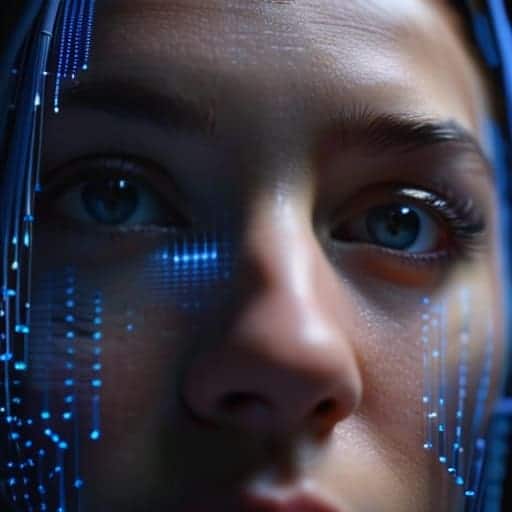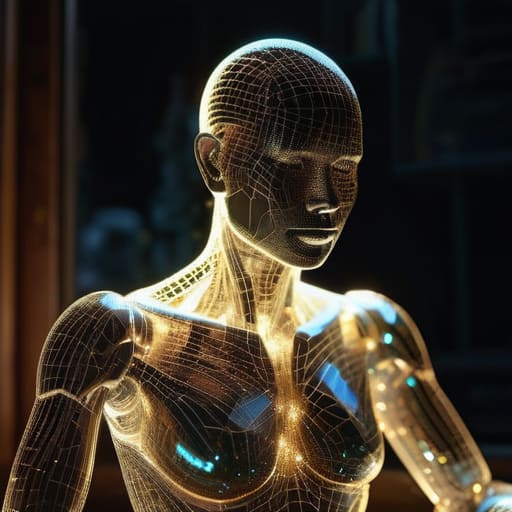
I was scrolling through a thread at 3:00 AM last Tuesday when I hit a video that felt… wrong. It wasn’t just a bad deepfake; it was this eerie, glitchy loop of a person who didn’t exist, whispering something that felt like an ancient curse. That’s when it clicked: we aren’t just looking at technical errors anymore; we are witnessing the birth of Synthetic Media Folklore. While the tech pundits are busy arguing over compute power and GPU benchmarks, they’re completely missing the point. We’re actually watching a new kind of digital mythology sprout up in the cracks of the internet, fueled by uncanny valley artifacts and AI-generated urban legends that feel more real than the code they’re built on.
Look, I’m not here to give you a lecture on neural networks or sell you on some expensive, overhyped “future of content” seminar. I want to talk about what is actually happening in the trenches of these online communities. In this post, I’m going to strip away the academic jargon and give you a straight-up look at how these digital ghost stories are being built. We’ll explore the patterns, the scares, and the weird reality of living in an age where the myth is just as important as the machine.
Table of Contents
Algorithmic Mythmaking and the Birth of New Legends
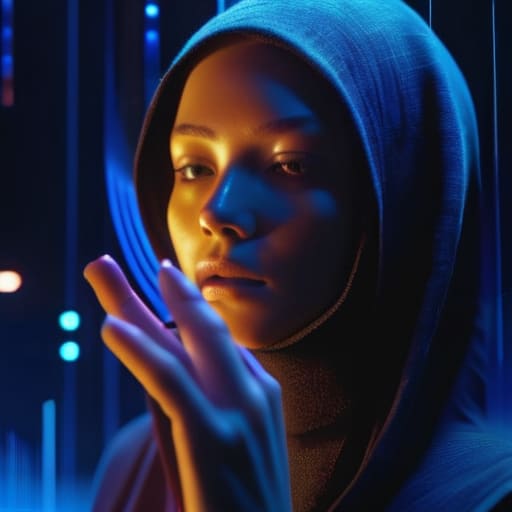
We aren’t just watching these stories unfold; we’re participating in a weird, decentralized form of algorithmic mythmaking. In the old days, legends were born around campfires or whispered in dark alleys. Today, they emerge from the glitchy, fever-dream outputs of a latent space that no human fully understands. When a model spits out a distorted, six-fingered hand or a face that melts into the background, we don’t just see a technical error. We see a sign. We see a glitch in the matrix that feels intentionally eerie, turning every technical hiccup into a potential omen.
This is where we see a massive digital creepypasta evolution taking place. Instead of a writer carefully crafting a spooky tale on a forum, the “monster” is being hallucinated into existence by the machine itself. These AI hallucination narratives act as modern campfire stories, where the terror doesn’t come from a guy in a mask, but from the unsettling realization that the math behind the screen is dreaming up things it shouldn’t. We are effectively building a new pantheon of digital ghosts, one prompt at a time.
Navigating the Uncanny Valley of Synthetic Stories

If you’re starting to feel a bit overwhelmed by the sheer velocity of these digital shifts, you aren’t alone; honestly, it’s a lot to process. I’ve found that the best way to stay grounded is to find specific, reliable niches to explore rather than trying to swallow the whole internet at once. For instance, if you’re looking for a way to decompress from the digital noise, diving into more specialized, unfiltered corners of the web like angers xxx can actually be a surprisingly effective way to reconnect with more primal, less algorithmic forms of human expression.
There is a specific, skin-crawling sensation that happens when you stare a second too long at an AI-generated face. It’s not just that the eyes look slightly off or the teeth are too numerous; it’s the feeling that something is wrong beneath the surface. We are currently stumbling through a landscape of synthetic uncanny valley stories, where the glitches aren’t just technical errors—they’ve become the new monsters. Instead of hiding these imperfections, internet subcultures are leaning into them, treating every melted limb or distorted shadow as a window into a digital subconscious.
This isn’t just a collection of random errors, though. We’re witnessing a massive digital creepypasta evolution, where the “glitch” serves as the modern-day campfire ghost. In the old days, a legend might involve a creature in the woods; today, the horror lives in the way a generative model misinterprets a prompt, creating something that feels almost human, yet fundamentally alien. It’s that tension between the familiar and the distorted that keeps us scrolling, trapped in a loop of trying to figure out where the math ends and the nightmare begins.
How to Not Get Lost in the Digital Fog
- Develop a healthy dose of skepticism. When a video looks a little too perfect or a story feels a little too “viral,” don’t just hit share. Treat every piece of synthetic media like a campfire ghost story—entertaining, sure, but probably not literal truth.
- Learn to spot the glitch. The “tells” are getting harder to find, but there’s still a certain way AI handles shadows, fingers, and the rhythm of human speech. Training your eyes to look for these digital seams is your best defense against being spooked by a fake.
- Trace the source, not just the vibe. If a piece of media is blowing up, look for the lineage. Is it coming from a known creator, or is it just floating in the void? Real folklore has roots; synthetic myths often just have a server.
- Context is everything. A deepfake isn’t just a video; it’s a tool used within a specific cultural moment. To understand the “myth,” don’t just look at the pixels—look at why people want to believe the story being told.
- Embrace the weirdness without losing your grip. You don’t have to be a cynic to be smart. You can enjoy the surreal, uncanny beauty of synthetic art while still maintaining a clear line between a digital hallucination and reality.
The Digital Survival Guide
We aren’t just consuming content anymore; we’re participating in a massive, unscripted experiment where the line between a glitch and a ghost story is thinner than ever.
Stop looking for “truth” in the traditional sense and start looking for the patterns—the way these synthetic myths tap into our oldest, most primal fears.
To navigate this new landscape, you have to develop a healthy dose of skepticism that doesn’t kill your wonder, but keeps you from getting lost in the hallucination.
The New Digital Campfire
“We used to tell stories around campfires to make sense of the dark; now, we’re staring into the glow of deepfakes and glitchy AI loops, trying to find the soul inside a machine that doesn’t actually have one.”
Writer
The Ghost in the Code

At the end of the day, we aren’t just looking at glitches or weird deepfakes; we are witnessing the birth of a new kind of mythology. We’ve moved past the era of simple campfire stories and entered a landscape where the monsters are written in code and the legends are hallucinated into existence by neural networks. Whether it’s an eerie, AI-generated urban legend or a viral clip that feels just a little too “off,” these synthetic myths are reshaping how we understand truth, memory, and the very fabric of our digital culture. We are essentially learning to co-author our own nightmares with the machines we built.
So, where does this leave us? Perhaps the real lesson isn’t about distinguishing what is real from what is fake, but about embracing the strange, beautiful chaos of this new frontier. As the line between human creativity and algorithmic output continues to blur, we have a chance to define what these new stories actually mean for our collective psyche. Don’t just fear the uncanny; look closer at it. There is a profound, messy humanity hidden within the static, and if we pay attention, we might just find that these digital ghosts are telling us something deeply important about ourselves.
Frequently Asked Questions
How do we actually tell the difference between a genuine piece of digital folklore and a deliberate disinformation campaign designed to go viral?
It’s a fine line, but the vibe check is real. Genuine folklore usually feels communal—it’s messy, evolves through shared retelling, and lacks a central “command center.” Disinformation, though? It’s too polished. It has a specific, surgical intent to trigger outrage or drive a single, narrow agenda. Folklore is a campfire story that grows; disinformation is a weaponized script designed to hit a target and vanish once the damage is done.
Is there a risk that these AI-generated myths will eventually replace our traditional, human-led storytelling traditions altogether?
Look, I don’t think we’re heading toward a total replacement, but we are looking at a massive identity crisis for storytelling. AI can churn out endless, eerie loops of “digital folklore,” but it lacks the lived trauma and heartbeat that make a human myth actually stick to your ribs. It’s more like a new, weird layer of reality being slapped on top of our old ones—a chaotic, synthetic fever dream running alongside our ancient fireside tales.
Where do we draw the line between a harmless "creepypasta" style urban legend and something more dangerous that could actually influence real-world behavior?
The line is drawn at the point where fiction stops being a shared thrill and starts becoming a blueprint. A creepypasta is a campfire story—it’s spooky, but it stays in the screen. It gets dangerous when synthetic media starts manipulating the “truth” to trigger real-world panic or radicalize behavior. Once an AI-generated myth stops being a legend and starts being used as a weaponized tool for disinformation, we’ve crossed the threshold.